











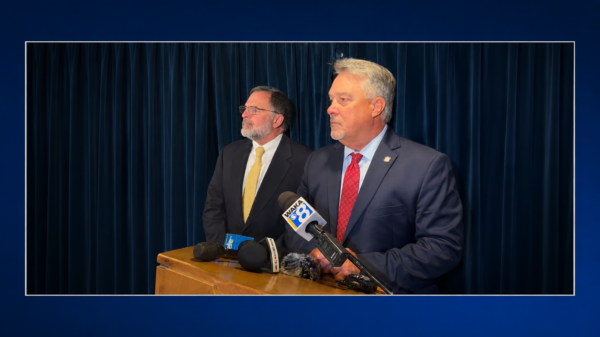




















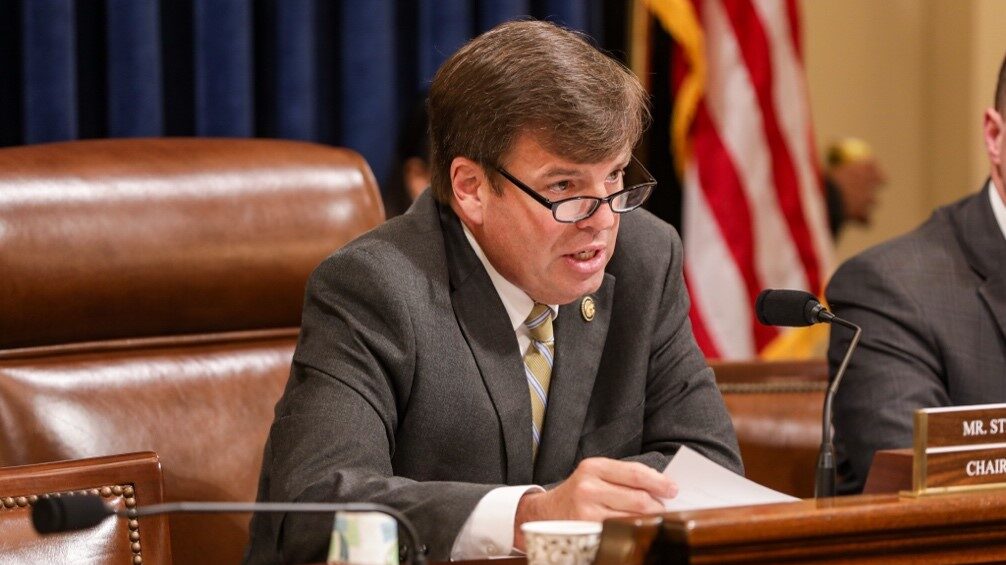
U.S. Representative Dale Strong, R-Alabama, chairman of the House Homeland Security Subcommittee on Emergency Management and Technology, secured committee approval this week for two homeland security measures aimed at strengthening aviation security and enhancing the nation’s preparedness for emerging threats.
The House Committee on Homeland Security approved the SAFEGUARDS Act, bipartisan legislation intended to ensure passenger security fees are reinvested in aviation security infrastructure and technology. The committee also approved the Civil Preparedness for Agroterrorism Exercise Act of 2026, legislation designed to strengthen the nation’s readiness for potential attacks targeting the food and agriculture sector.
“Keeping Americans safe requires both investing in proven security capabilities and preparing for the threats of tomorrow. These measures ensure that critical security resources are used as intended while strengthening our ability to prevent and respond to evolving threats,” Strong said. “From ensuring our aviation security systems have the resources they need to keep travelers safe, to protecting our food supply, we are taking decisive steps to enhance our Nation’s security, resilience, and preparedness.”
The SAFEGUARDS Act would ensure revenue collected through the Transportation Security Administration’s 9/11 Passenger Security Fee is invested in aviation and airport security, consistent with the fee’s original intent. The legislation supports long-term investments in checked baggage screening systems and advanced checkpoint technologies to strengthen security and improve efficiency at airports across the country.
The SAFEGUARDS Act is supported by Huntsville International Airport, Airlines for America, American Airlines, the U.S. Travel Association, Southwest Airlines, Airports Council International-North America and the American Association of Airport Executives.
The Civil Preparedness for Agroterrorism Exercise Act would direct the Department of Homeland Security to conduct a nationwide exercise focused on preventing, responding to, recovering from and mitigating an agroterrorism attack targeting the nation’s food and agriculture sector.
The exercise would bring together federal, state, local, tribal and territorial partners, as well as private-sector stakeholders, to identify preparedness gaps and strengthen coordination before a real-world incident occurs.
Strong introduced the legislation earlier this week. The bill builds on his work examining threats to America’s food and agriculture sector, including the Emergency Management and Technology Subcommittee’s two-part hearing series on agroterrorism and agricultural security last year.
Strong has prioritized efforts to modernize homeland security capabilities, strengthen critical infrastructure protection and improve preparedness for emerging threats, his office said.