


Senate Republicans released the current discussion draft of the 2026 Farm Bill on Tuesday.
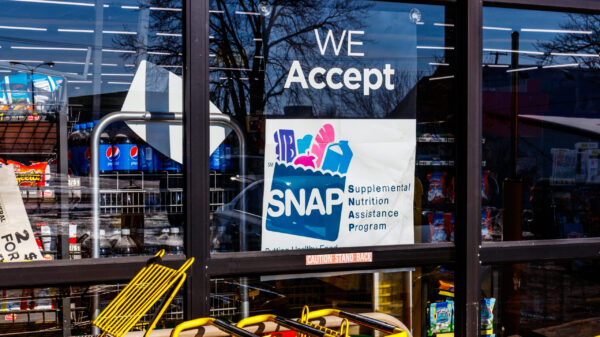
The Farm Bill, normally renewed every five years, has only received short-term extensions since 2023. It establishes subsidies for agricultural producers, funding for agricultural research, the Supplemental Nutrition Assistance Program and other programs.
The current draft, and the version passed by the House earlier this year, do not delay provisions included in the One Big Beautiful Bill Act that will require states to cover a larger share of SNAP benefit costs beginning next year.
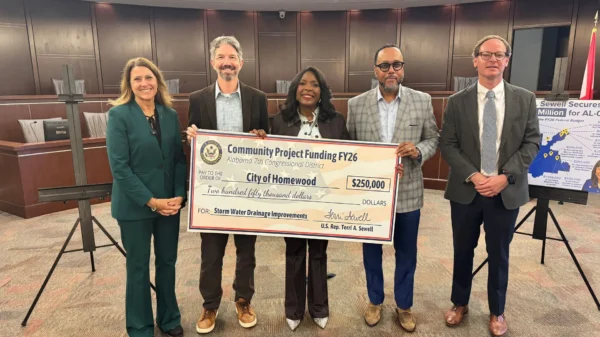
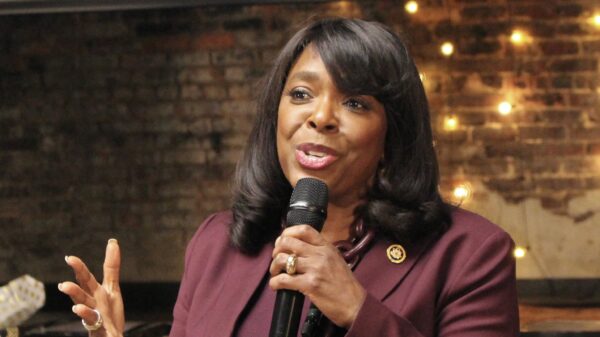
Democratic members of the Senate Agriculture Committee said in a statement that “this bill does not address the devastating cuts to SNAP or the shift to state taxpayers passed into law as part of HR1.” When another version passed the House, U.S. Representative Terri Sewell, D-Alabama, said she could not “support a bill that would continue [to] take food out of the mouths of hungry children, seniors, and veterans.”
Under current law, Alabama and other states will have to pay as much as 15 percent of benefit costs beginning in October 2027, depending on their payment error rates in the 2025 or 2026 fiscal year. The SNAP payment error rate includes all overpayments and underpayments of benefits.
During a June 10 meeting of the state Legislature’s Make Alabama Healthy Nutrition Study Group, Alabama Department of Human Resources Commissioner Nancy Buckner said “it’s really not about fraud when you’re talking error rates.”
“Fraud’s something totally different,” Buckner said. “Fraud is a very small piece of [the error rate].”
The U.S. Department of Agriculture announced Wednesday that Alabama’s error rate for the 2025 fiscal year was 9.52 percent. If the state’s error rate is the same in the following fiscal year, Alabama will be responsible for 10 percent of all benefit costs, which the Center for Budget and Policy Priorities projected would cost about $170 million.
If the error rate rises above 10 percent, the state will be responsible for 15 percent of all benefit costs, or more than $250 million.
The 2026 state General Fund budget made the first-quarter allotment of a sizable appropriation to DHR contingent on keeping the 2026 fiscal year error rate below 6 percent or otherwise modifying the SNAP program to cover the federal cost-sharing penalty.
In April, senator Greg Albritton, R-Atmore, told the Alabama Reflector that the state doesn’t “have the extra funds to fund it” and “DHR’s gotta figure out a route to meet the benefits of the needy that are on these programs if the error rate does not come down.”
Leadership in the Alabama Department of Human Resources has warned for months that addressing the recent changes to SNAP will cost tens of millions of dollars in addition to the potential cost-sharing penalties.
At the start of the year, Buckner told legislators the OBBBA changes already meant “$35 to 40 million in admin costs.” During the Make Alabama Healthy Nutrition Study Group meeting, DHR employee Brandon Hardin told members of the group that the state could “either pay the cost share if we’re over 6 percent, get the rate under 6 percent, or end the program.”
U.S. Senator Tommy Tuberville, R-Alabama, the Republican nominee for governor, told Alabama Daily News he does not support postponing the implementation of cost sharing and said the state needs to reduce its error rate.
In a statement provided to APR, Tuberville said “Alabama’s SNAP error rate is too high, and we need to look into creative ways to get rid of fraud.”
“I think AI could help us with that,” he stated. “I’m all for helping people who have fallen on hard times, but SNAP has become overrun with fraud. Some people who are on the rolls need to get off their butts and go back to work. In the meantime, I’ll keep working with my colleagues on the AG Committee to hopefully get a good Farm Bill passed like we’ve been promising our farmers.”
U.S. Senator John Boozman, R-Arkansas, who chairs the Senate Agriculture Committee, said Tuesday that the “discussion draft is a strong foundation on which to build as we continue conversations to strengthen American agriculture and secure a brighter future for American farmers.”