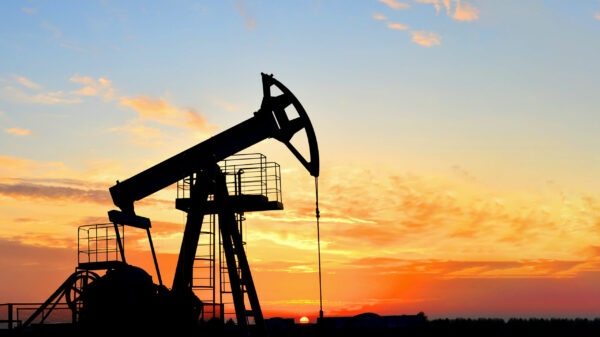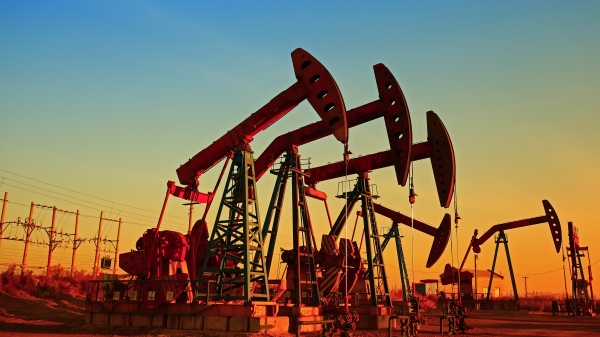





















The U.S. Department of the Interior’s Bureau of Land Management announced that it is looking to include more than 2,000 acres of the Conecuh National Forest in a March 2027 lease sale for oil and gas drilling, drawing criticism from environmental advocacy groups.
“Most Americans would agree that Conecuh National Forest is much better off as a forest instead of a bargain barrel gas station for big oil companies,” Lindsay Reeves, a senior attorney at the Center for Biological Diversity, said. “It’s maddening that the Forest Service is ignoring the real value of these public lands and willing to industrialize them.”
The Center for Biological Diversity previously pushed back on the Trump administration’s plan to open the entire Conecuh National Forest to oil and gas drilling in February, arguing that the plan failed to account for the forest’s biodiversity and recreational significance.
The Conecuh, located along the Alabama-Florida border southeast of Evergreen, shelters 19 federally protected wildlife species, including red-cockaded woodpeckers, Eastern indigo snakes, Escambia map turtles and 300-pound Gulf sturgeon. It also is home to large stretches of longleaf pine forest, one of the world’s most endangered ecosystems, and attracts thousands of visitors annually to its hiking trails, lakes, springs and rivers.
“These are places where Alabamians can hike, camp and swim,” Reeves said. “The forest is a fragile, peaceful environment that some of our country’s most imperiled wildlife depend on. We’ll keep fighting to keep oil and gas out of this treasured place.”
The proposed March 2027 lease sale follows a Trump administration directive that seeks to make it easier and cheaper for fossil fuel companies to lease public lands to drill for oil and gas. According to the BLM, the rule change would align federal policy with the One Big Beautiful Bill Act and a January 2025 executive order titled “Unleashing American Energy,” which “directs the removal of impediments imposed on the development and use of our Nation’s abundant energy and natural resources.”
The rule change would dramatically reduce federal bonding requirements for oil and gas companies seeking to lease public land. Companies pay those bonds upfront to protect taxpayers from covering the cost of plugging, cleanup and remediation when a well is retired.
“Every well eventually stops producing, every well eventually must be plugged and reclaimed,” Autumn Hanna, vice president of the nonpartisan budget watchdog group Taxpayers for Common Sense, said. “The question is whether those costs will be paid by the companies that profited from their development, or by taxpayers.”
The BLM also is looking to reduce the public comment and review period for proposed lease sales from 30 days to 10 days. The proposal also would eliminate consideration of a parcel’s cultural significance, resources, wildlife habitats and conservation potential when determining which lands are suitable for leasing.
In addition to the Conecuh National Forest, the proposed March 2027 lease sale includes public lands in Louisiana, Michigan, Mississippi and Ohio. The BLM is accepting public comment on the proposal during a 30-day scoping period that ends July 22, 2026.