





























On the fourth anniversary of the U.S. Supreme Court’s ruling in Dobbs v. Jackson Women’s Health Organization, Alabama’s federal lawmakers split along party lines in their reflections on the decision’s impact.
The landmark Supreme Court decision overturned Roe v. Wade and opened the door for state restrictions on abortion, including Alabama’s near-total abortion ban, which took effect in 2022.
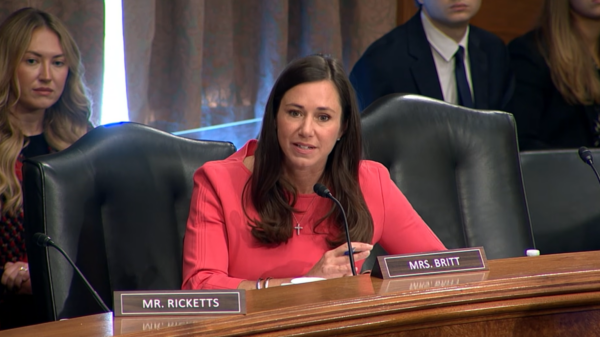
U.S. Senator Katie Britt, R-Alabama, used the anniversary of the decision to promote MOMS.gov, a federally run website featuring resources for expectant mothers, including links to anti-abortion crisis pregnancy centers. The website launched on Mother’s Day.
“The Dobbs Decision was never the end of the conversation, it was the beginning of a renewed commitment to supporting moms and families,” Britt wrote on social media Wednesday.
“Every woman deserves the support she needs throughout her pregnancy journey, and I will continue advancing policies that empower moms, strengthen families, and help welcome more children into the world,” Britt added.
Britt highlighted a speech she gave in support of MOMS.gov and the More Opportunities for Moms to Succeed Act, or MOMS Act, legislation she originally introduced in 2024.
Although the act has not been enacted, the Trump administration implemented the legislation’s call for an online “clearinghouse of relevant resources available for pregnant and postpartum women, and women parenting young children” through MOMS.gov. The MOMS Act would have disallowed referrals to organizations that provide abortions, a policy priority also carried over to MOMS.gov.
“What we wanted to do was make sure that women knew that we supported them in the prenatal, postpartum and early childhood development stages of their child’s life and of their life and motherhood,” Britt said. “So that is critically important, that they step up to the table, right there, and help that woman be wrapped in information and love, because we know that when women are given that, that they are strong, and that they will choose their child. And that is what we want to see happen.”
U.S. Representative Gary Palmer, R-Alabama, also urged new and expectant mothers to use MOMS.gov over social media. Palmer said the Dobbs decision “corrected a constitutional overreach and returned the issue of abortion to the American people and their elected representatives.”
“While countless unborn lives have been saved since then, our work is not finished,” Palmer said. “Every child is a gift, and we must continue advancing policies that protect the unborn, support mothers and families, and uphold the dignity and value of human life.”
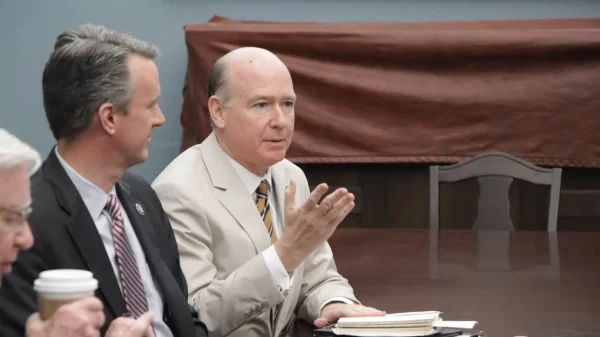
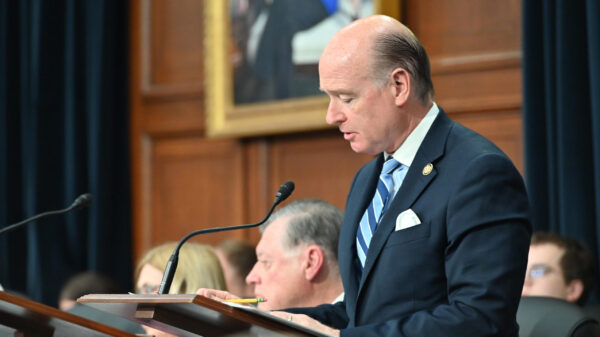
U.S. Representative Robert Aderholt, R-Alabama, chair of the anti-abortion congressional Values Action Team, described the Dobbs decision as “a landmark decision in the effort to protect the most vulnerable among us and guarantee their right to life and liberty.”
“I remain committed to defending the sanctity of life, protecting the unborn, and ensuring a safer future for our nation’s children,” Aderholt wrote.
U.S. Representative Terri Sewell, D-Alabama, was the sole member of Alabama’s congressional delegation to criticize the Dobbs decision on its anniversary. Sewell said the ruling has worsened reproductive health care access in states such as Alabama.
“Four years ago today, Trump’s right-wing Supreme Court majority overturned Roe v. Wade and stripped away a right that generations of women had relied upon,” Sewell said. “Since then, states like Alabama have enacted some of the most extreme restrictions on reproductive health care, putting politicians between patients and their doctors.”
“While Republicans continue their attacks on reproductive freedom, I’m fighting alongside Democrats to restore Roe’s protections, defend access to contraception and IVF, and ensure every woman can make her own health care decisions,” Sewell added.
Sewell and U.S. Representative Shomari Figures, D-Alabama, have signed a discharge petition to force the House to consider the Right to Contraception Act, legislation that would codify Americans’ right to access contraceptive care and products. The petition had received 200 signatures from Democratic lawmakers as of Wednesday and needs 218 signatures to force consideration of the bill on the House floor.