





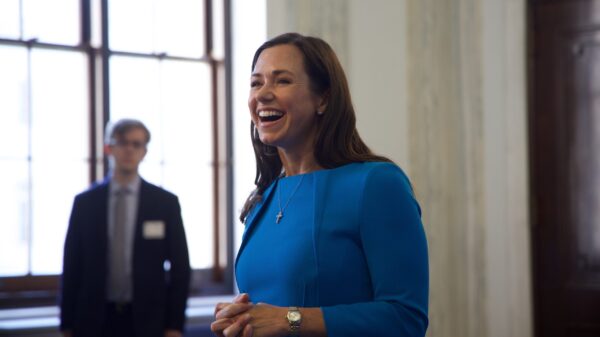


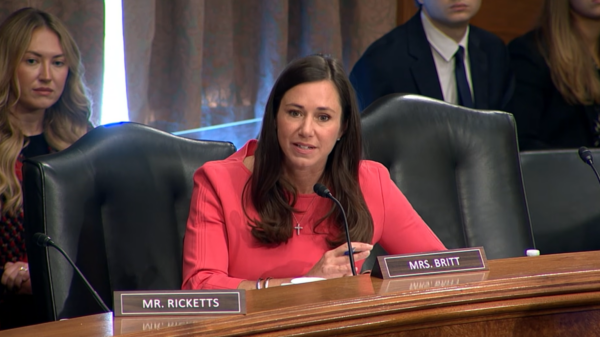





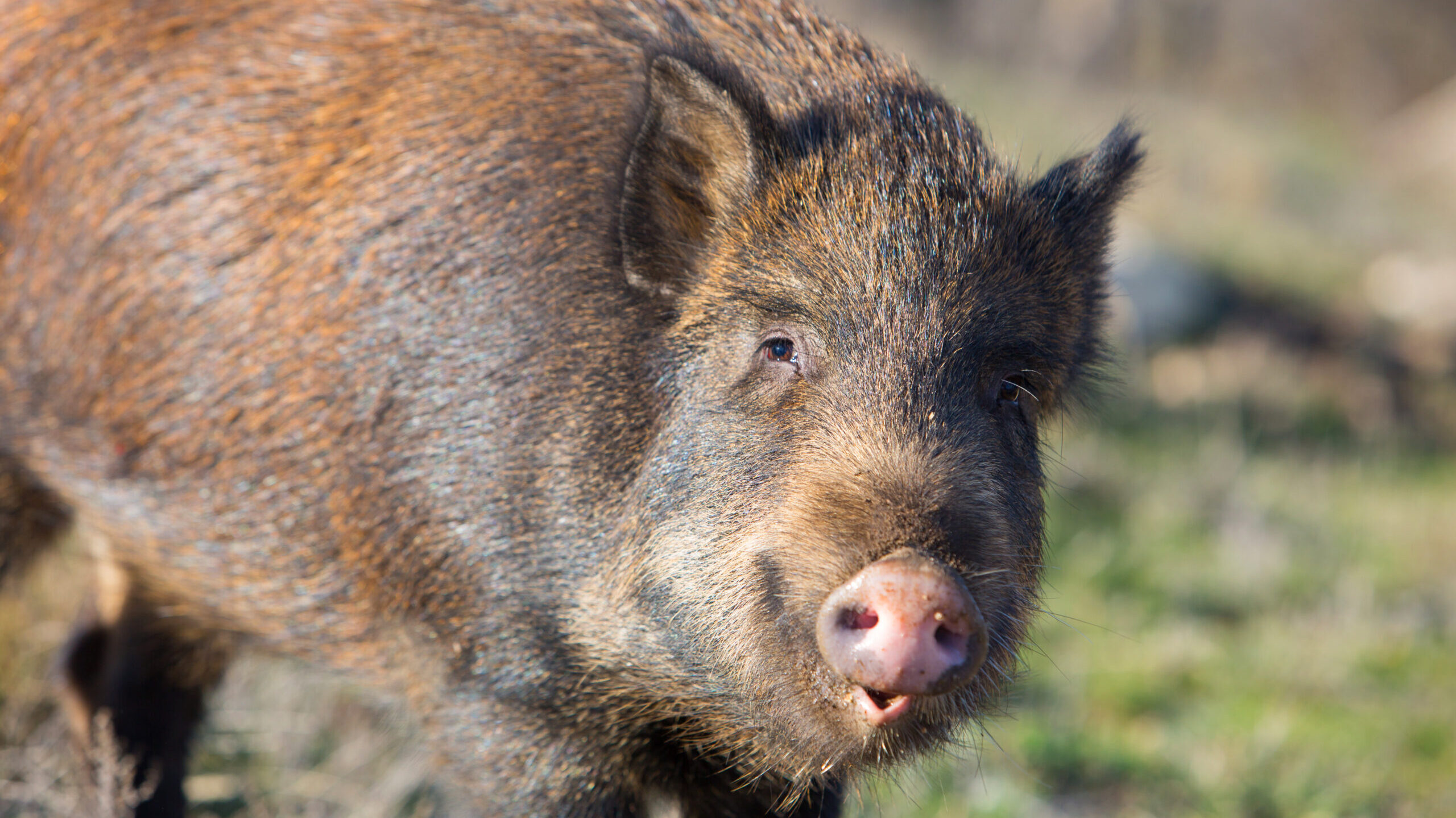
U.S. Senator Katie Britt, R-Alabama, on Thursday celebrated the U.S. Department of Agriculture making $35 million available for partnerships aimed at combating feral swine that threaten agriculture, landscapes and human and livestock health.
The funding is part of a broader $105 million investment in the Feral Swine Eradication and Control Pilot Program included in the Working Families Tax Cuts Act and championed by Britt. The USDA’s Natural Resources Conservation Service and Animal and Plant Health Inspection Service will work with state partners to combat what Britt’s office described as “one of the most devastating pests in agriculture.”
“Alabama farmers and cattlemen know firsthand the havoc these invasive species wreak on their farms, inflicting billions of dollars in damage nationally and directly endangering their livelihoods,” Britt said. “I was proud to champion the Feral Swine Eradication and Control Pilot Program in the Working Family Tax Cuts Act to respond to this threat, and I’m encouraged to see USDA put this investment to work. I’ll continue fighting to ensure Alabama has the tools and resources it needs to protect our agricultural economy, conserve our natural resources, and ensure the lands that sustain our families and communities remain strong for generations to come.”
Feral swine inhabit all 67 Alabama counties and cause an estimated $50 million in agricultural and ecological damage in the state each year. Alabama classifies the invasive species as a nuisance animal.
Feral swine can damage plant and wildlife habitats, soil, water quality and other natural resources. They can also carry diseases that threaten livestock and humans.
The USDA’s Feral Swine Eradication and Control Pilot Program will provide assistance to landowners for restoration and on-farm trapping efforts, as well as related services such as training. Funding for those services will be provided through grant agreements between partners and the Natural Resources Conservation Service.
“We are collaborating with our partners at USDA and across the country to help combat feral swine and keep our farms, ranches and landscapes safe,” Natural Resources Conservation Service Chief Colton L. Buckley said. “These invasive species cause more than $3.4 billion in damage each year, including damage to agricultural landscapes. Thanks to the Working Families Tax Cuts Act, NRCS is able to expand this effort, giving producers and partners more resources to protect working lands and strengthen the long-term resilience of agricultural operations.”
Britt said she was “proud to fight for the inclusion of the largest long-term investment in NRCS conservation programs in decades,” including support for the feral swine program, in the Working Families Tax Cuts Act.
The law extended the program for another five years and provided $105 million to be divided between the Natural Resources Conservation Service and Animal and Plant Health Inspection Service, including the $35 million made available in Thursday’s announcement.
Britt previously introduced the Feral Swine Eradication Act, which would extend and make permanent a federal program aimed at combating feral swine.