










It’s dangerous to live inside a news bubble.
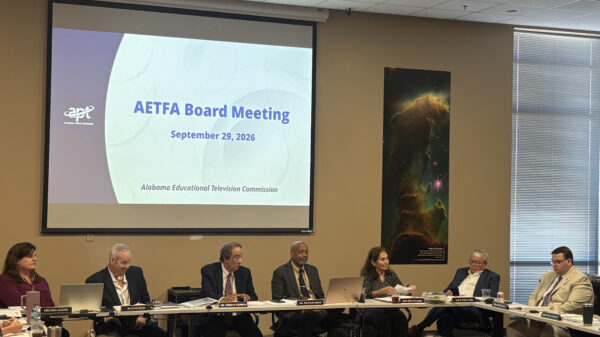
You risk being completely misinformed on basic and important issues and totally out of touch with those around you. If you doubt this, simply ask the right-wingers on the Alabama Educational Television Commission.
They found out this week that they’ve been living in a bubble. And it was quite embarrassing.
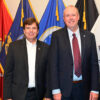
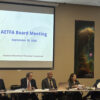
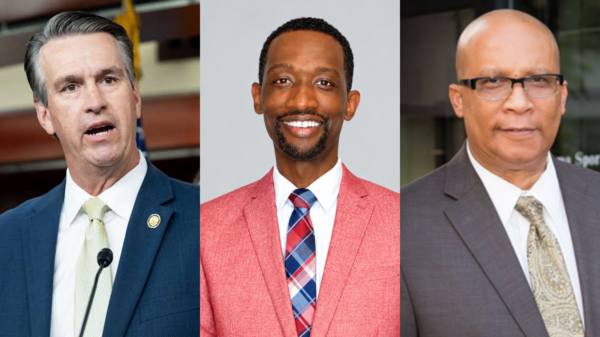
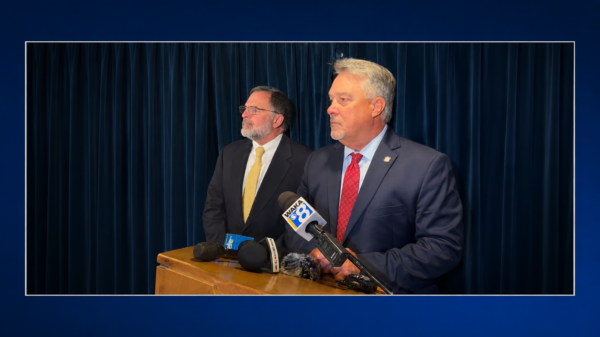
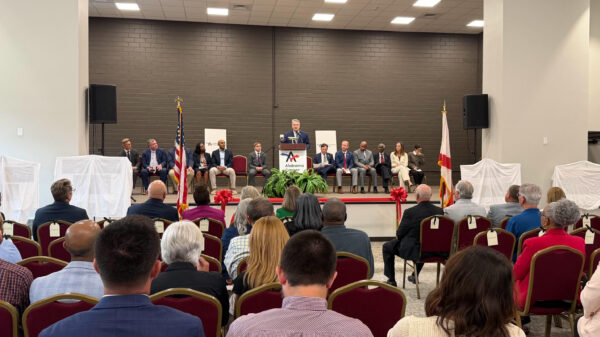
For more than a year now, a couple of folks on the AETC have been pushing the commission to stop using PBS programming on its Alabama Public Television stations. The main drivers of this appear to be board members Ferris Stephens and Les Barnett, although their actions and agenda have been aided by like-minded bubble dwellers on the commission.
And why did they want this separation of PBS and APT?
Why, because PBS, particularly its news entity, made the fateful decision to continue reporting news without bias and without deference to the egomaniac who currently occupies the White House. In short, PBS became a target of the Trump administration because it had the gall to tell the truth.
And that’s not my left-wing slant on things. That’s the truth.
At no point during his many attacks on PBS—which include pulling federal funding—did Trump or any of his lackeys offer the slimmest shred of proof that PBS had demonstrated bias or reported inaccurately and with animosity toward Trump, Republicans or conservatism.
Because there is no evidence.
The best the White House could muster was a list of supposed incidents in which PBS or NPR “reported negatively” about Republicans or Trump. Essentially, that means the news outlets told true stories that were not flattering for the administration.
Because of this, Stephens and Barnett came to believe that PBS was now the “enemy of what I stand with.” That was an actual quote from Barnett in October 2025.
And even more importantly, they came to believe, through their right-wing news bubble, that PBS had become the enemy of Alabamians. They somehow came to believe that the majority of Alabamians disliked PBS, including its news programs and children’s programming.
“(PBS) decided to be opposed to what most of the people in Alabama believe,” Barnett told WBHM earlier this year.
Fellow commissioner William Green insisted that “PBS now carries a negative connotation” in Alabama.
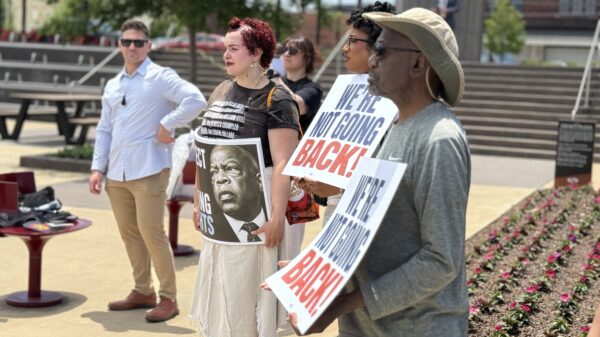
And the weird thing was they never wavered in their beliefs, even when mobs of people started showing up to commission meetings and sending in hundreds of thousands of dollars in donations and overrunning Governor Kay Ivey’s office with letters, emails and phone calls.
Those right-wing bubbles have got some thick walls.
Because they just kept pushing to end PBS programming. And they were so confident in their position that they posed a solution—a survey.
Take it to the people. Let the voters of Alabama decide. Let the folks who voted overwhelmingly for Trump make the call on PBS.
And so they did.
Earlier this week, the results of that survey, conducted by right-leaning polling company Cygnal, were released. You can probably guess how that went.
The bubble popped.
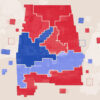
The overwhelming majority, 60 percent, of Alabamians have a very favorable opinion of PBS. Only 16 percent view it unfavorably.
PBS was more popular among Alabamians than Trump, whose favorables were upside down in Alabama, 44.3 percent to 46.7 percent.
More than 37 percent of respondents said PBS programming aligned well with Alabamians’ values. Just 16.7 percent said it didn’t.
Do you know why?
Because that’s the truth. And the truth still matters.
When you get right down to it, the majority of Alabamians are just fine with PBS, APT and NPR. They’re fine with their local public radio and with the TV station where they watch Ken Burns documentaries and catch episodes of “Antiques Roadshow” to see people act totally shocked when they’re told that the 12,000-pound armoire they lugged into a convention center 200 miles from home is worth some money.
I’d bet the PBS approval numbers haven’t truly changed in 50 years. Same for NPR.
It’s benign, straightforward programming with fact-based news reporting, smart TV shows and extremely well-done (and educational) children’s programming. How anyone in their right mind could be offended by it—or believe that PBS/NPR had become their “enemy”—is truthfully mind-boggling.
But then, I don’t live in that bubble.