























As the clock hit zero and players and fans ran onto the field at the University of Texas last Saturday night, celebrating a 24-23 comeback win over Ohio State, I couldn’t help but think that it didn’t seem like college sports—and football, in particular—were being ruined.
In fact, it seemed like college football was doing just fine.
TV viewership of college athletics is up significantly over the past five seasons. Even attendance, which was waning at the start of the decade, has rebounded and is mostly up year over year for the majority of college programs in the major sports.
And yet, on one of my favorite TV shows, ESPN’s “College GameDay,” last Saturday morning, there sat Texas Senator Ted Cruz, being booed mightily by the young college kids (much to my delight) and trying to convince everyone that college athletics is teetering on a knife’s edge, with certain doom in its future if the federal government doesn’t act to stop the horrific effects of name, image and likeness payments and the transfer portal.
In any other business, in any other context, a group of employers and related entities whining incessantly that their business model can’t survive if they’re forced to allow the employees to be compensated would be so utterly ludicrous that no one in their right mind would entertain it.
But when it comes to college athletics, we’ll not only entertain it, we’ll codify it into law.
On Tuesday, the U.S. Senate actually passed the stupid, unconstitutional bill that Cruz was pushing, somehow garnering 74 votes—more than enough to blow past the 60-vote filibuster requirement—and we’re now left with only the House to stand in the way. Although, after the Senate adopted certain House-supported language for its bill, the legislation should have the votes to pass there, too.
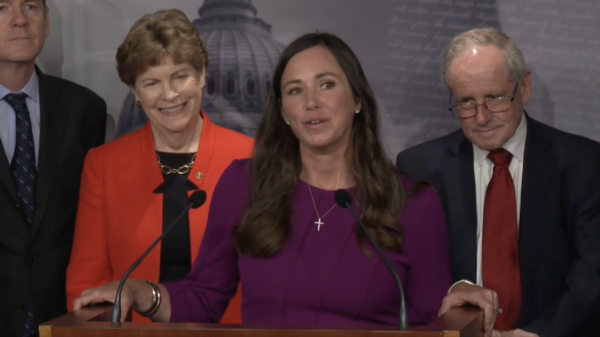
Connecticut Senator Chris Murphy summed up nicely the outright disgrace that this bill is: “This bill protects the billions of dollars that coaches and sports industry executives are making over the suppression of compensation for some of the most highly valued athletes in the world.”
That is exactly what it does.
It places an artificial cap on what players can earn (along with a penalty for too many transfers, because why screw the players once when you can screw them twice) and provides immunity for colleges from antitrust laws. Essentially, it allows the colleges to all get together and come up with a set of rules that makes them the most amount of money but doesn’t allow the players to unionize and collectively bargain.
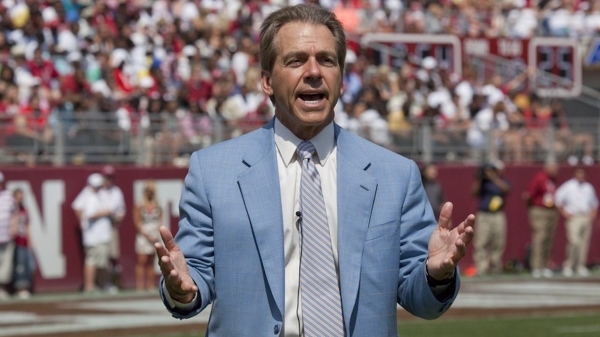
Oh, but they had to do it. Because college sports were on the verge of collapse. If you doubt that, I can show you the text messages I received from PR firms working overtime to push this BS. And there was Alabama’s own Nick Saban, front and center, carrying the water for the colleges and the TV networks and the apparel companies. Because when you earn $10 million per year and live in a free mansion as part of a system that doesn’t fairly compensate the workers, it becomes a hard habit to break, I reckon.
But you know, all of this got me thinking: Why stop with the players?
If the free market doesn’t mean anything to anyone anymore, and we’re all OK with artificially capping the earnings of free men doing legal work and being paid by willing employers, then why in the hell can’t we start capping other expensive things?
Like, how about, since you aren’t paying the players what they’re worth, we start capping the price of tickets to college sporting events?
Have you bought tickets lately? Have you seen the face-value prices to just get in the gate at an SEC football game? Or a basketball game?
How about we cap the salaries of coaches, administrators and TV executives? Maybe we could drive down the costs of tuition and TV packages for the regular working folks if we weren’t dumping $25 million per year out to pay the football coaching staffs and the guys who insist on shoving seven hours of Stephen A. Smith and Pat McAfee at us every day.
Or how about we cap the cost of college apparel? There’s a sleeveless Auburn hoodie on sale right this second on the Nike website for $90. Nine-zero. American dollars. If the players now get less of a cut, let’s go ahead and cap the prices for this “authentic licensed merchandise.”
But we’re not going to do that, are we? Because all of that would be ludicrous.
So, explain to me the difference.
You can’t, and the reason you can’t is because what’s currently happening with college athletes’ compensation and transfer freedoms is not wrong. It’s a shock to the system because it’s finally right.
These players aren’t forcing anyone to pay them a dime. And no college out there is forced to pay anyone anything. Every one of them could refuse to participate in this and go back to offering scholarships to players. But they won’t.
At the same time, please tell me the other students on campus who are punished for transferring, regardless of reasoning. Are the band students? The academic scholarship students? The social media stars? The brand ambassadors?
No? Just college athletes?
Wonder why?
Everyone involved in this could solve almost every problem with a simple contract between the players and universities. The players get compensated fairly. They get to negotiate their own deals. There are penalties for not honoring those deals and guarantees for injuries or other issues.
But why do that when you can get Congress and your millionaire shill coaches to arbitrarily ignore laws and free-market principles to hose the employees?