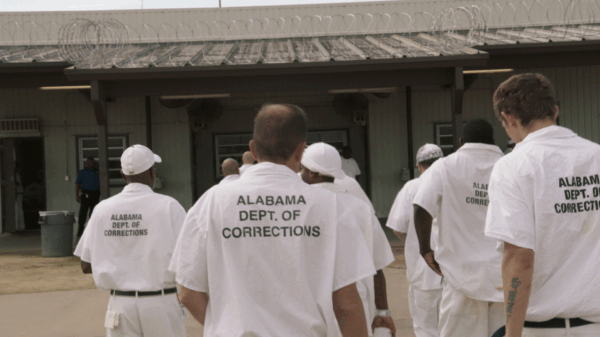


















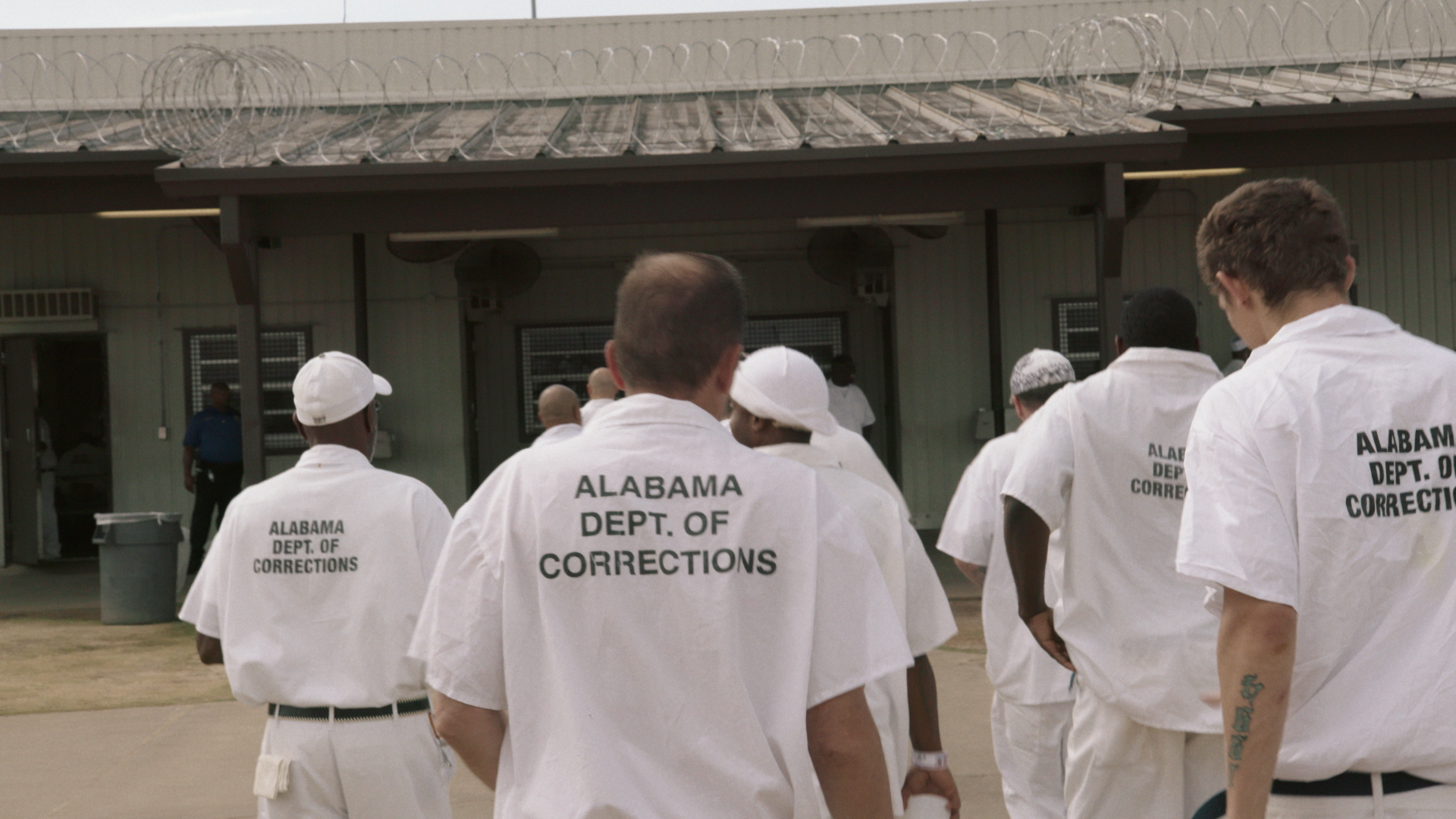
When filmmakers Andrew Jarecki and Charlotte Kaufman visited Easterling Correctional Facility in 2019, it appeared at first to be a happy occasion as volunteers brought the incarcerated men barbecue and led them in gospel songs.
But it didn’t take long before men began to approach the directors off camera with whispers: terrible things are going on inside these walls. A guard soon orders the crew to stop filming, expressing discomfort with the producers talking to inmates without an officer present.
That is the closest Jarecki and Kaufman’s cameras got to Alabama prisons, but that didn’t stop their film—just the opposite.
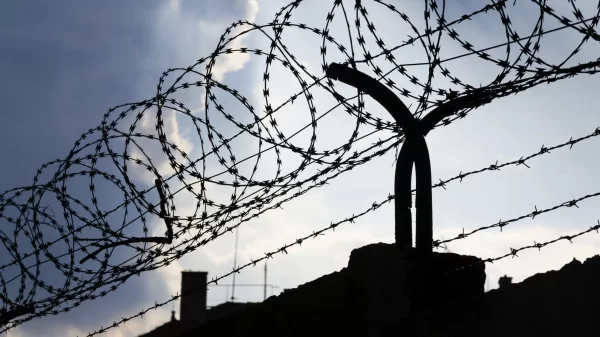
Premiering today at the Capri Theatre and more than 50 other locations nationwide, “The Alabama Solution” chronicles six years of Jarecki and Kaufman exploring life inside the walls of Alabama prisons, which have been shrouded in secrecy. Without the ability to enter these prisons themselves, the film instead relies on incarcerated men sharing videos and phone calls from contraband cell phones to show the conditions inside the prison.
The crew specifically follows the founders of the Free Alabama Movement, incarcerated men Robert Earl Council (also known as “Kinetik Justice) and Melvin Ray, who began posting videos from inside the prison to social media and also helped lead the 2023 work stoppage. The film also tracks the suspicious death of Steven Davis and his mother, Sandy Ray, as she fights for answers.
These stories often weave in moving and shocking ways, and the images captured by inmates reinforce claims of squalid living conditions within the prisons and abuse by guards.
Because the men broke rules to use contraband cell phones in the filming, the filmmakers are concerned about potential retaliation.
“We are deeply concerned for the safety of the men in the film and have been since we first met them,” Kaufman said. “As the film documents, they have faced retaliation for their activism in the past, and the risk remains present. In response, the organization One For Justice, through the Alabama Whistleblower Legal Defense Fund, has assembled a defense committee of lawyers and experts to prepare legal arguments and challenge retaliation by authorities or others. Ultimately, it is the legal and moral responsibility of the Alabama Department of Corrections to keep these men safe.”
Because the film follows the death of Steven Davis at the hands of correctional officers right after it happened, the film offers an inside look at how incarcerated men responded to the death and helped to unveil inconsistencies between the state’s official narrative—that Davis charged officers with knives and would not release them—and eyewitness testimony from prisoners.
“As we began to investigate, we discovered this was not an isolated incident, and the official version appeared to be far from the truth,” Kaufman said. “Listening to the men inside, we began to unravel the real story of brutality, corruption, and intimidation behind a suspicious death. As the filming progresses, we are allowed to follow the men’s extraordinary response firsthand as it unfolds.”
“We investigate a killing in real time and are able to see what we believe is a cover up unfolding,” Jarecki added. “Later, as our participants fight for their own survival, we follow them as they organize their resistance, and we discover heroism in men we ordinarily see through a different lens.”
In addition to its limited theatrical premieres, the film will debut simultaneously on the HBO channel at 7 p.m. CT and will also be released on Max, HBO’s streaming platform. The film premiered at the Sundance Film Festival to strong reviews: it currently boasts a 100 percent score on Rotten Tomatoes and a 90 on Metacritic.