






























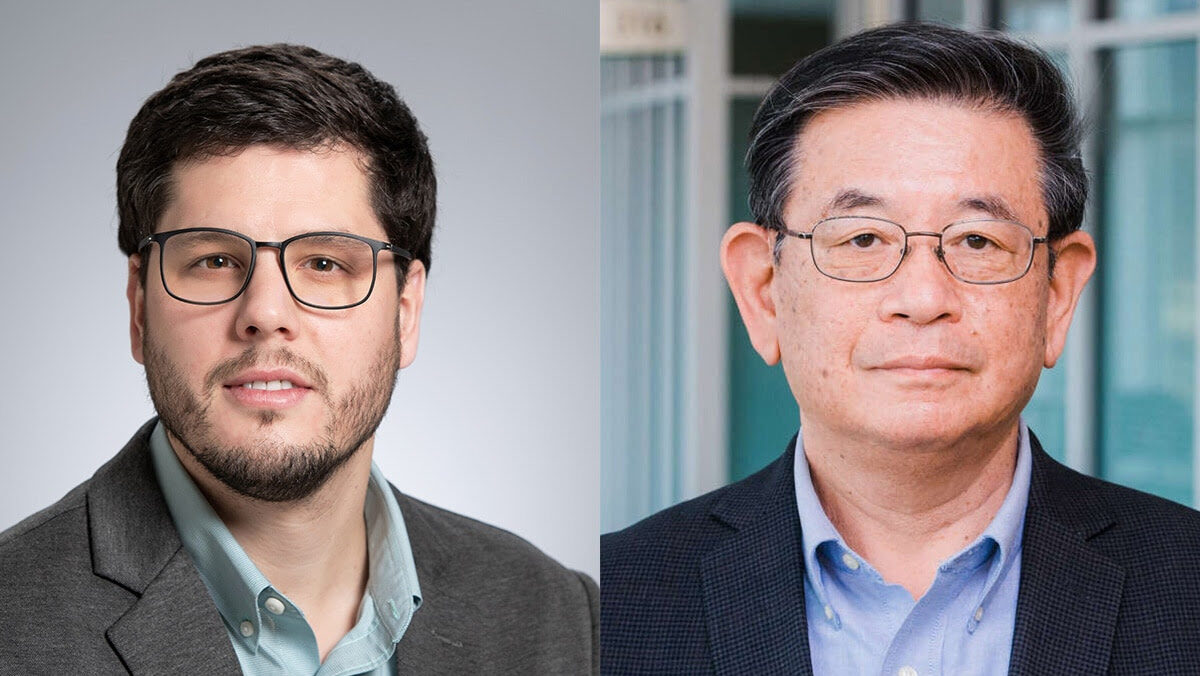
Two researchers in the University of Alabama at Birmingham Department of Pathology have received National Institutes of Health grants totaling $4.9 million.
Tyrrell receives $3 million to study atherosclerosis in older adults
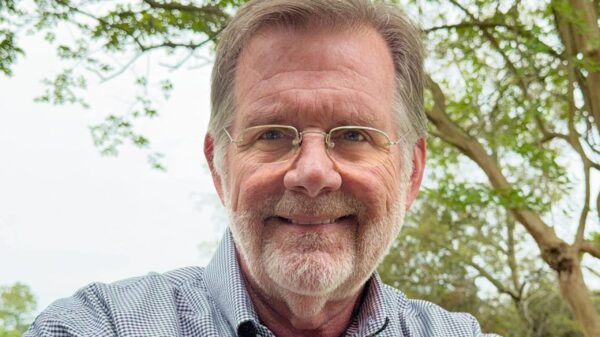
Daniel Tyrrell, an assistant professor in the Division of Molecular and Cellular Pathology, received $3 million from the National Heart, Lung, and Blood Institute for a project examining how aging contributes to atherosclerosis.
The five-year study, titled “Age-associated cytotoxic T cell mechanisms of atherosclerosis,” will run through March 2031.
Atherosclerosis, or the hardening of artery walls, contributes to diseases such as heart disease. Although aging is the strongest known risk factor for the condition, researchers do not fully understand how aging promotes its development.
“We found that, later in life, a specific type of cytotoxic T cell expresses an enzyme called granzyme K, which accumulates in atherosclerotic lesions,” Tyrrell said. “We’re trying to figure out what drives the buildup of this type of cell in old age, and how granzyme K may be driving atherosclerosis.”
Tyrrell also found that a distinct population known as age-associated T cells accumulated in older humans and mouse models. Those cells account for more than 55 percent of all T cells in atherosclerotic plaques, but researchers have not explored their role in the condition.
Tyrrell’s team will use laboratory and animal models to examine what causes the cells to accumulate and how granzyme K may contribute to atherosclerosis.
“Our goal in this project is twofold,” Tyrrell said. “We want to determine what drives the accumulation of age-associated T cells in old age and how granzyme K may be driving atherosclerosis.”
Tyrrell said the findings could help researchers develop new treatments for coronary artery disease in older adults.
“We’re hopeful that the outcome of this study will provide valuable insights into the roles of both granzyme K and age-associated T cells in atherosclerosis, which could lead to the development of novel therapeutic strategies for coronary artery disease in older adults,” Tyrrell said.
Other UAB collaborators include Silvio Litovsky of the Department of Pathology; Allan Zajac of the Department of Microbiology; and Jianmei Wu Leavenworth of the Department of Neurosurgery.
Ding receives $1.9 million to study MYC-driven cancers
Han-Fei Ding, the Gene P. Siegal Endowed Professor in the Division of Molecular Pathology, received $1.9 million from the National Cancer Institute for a project examining MYC-driven cancers.
The project is titled “PUS7-tRNA axis in translational control of MYC-driven transcription and metabolic reprogramming.”
MYC-driven cancers involve the overactivation of the MYC family of oncogenes. MYC proteins normally help regulate cell growth and metabolism, but overactivation can contribute to rapid tumor growth and help cancer cells evade immune responses.
MYC-driven cancers account for more than half of human cancers and are a major cause of death.
Ding’s project will examine how PUS7, an enzyme controlled by cancer cells, adds a chemical marker to transfer RNA molecules to increase the production of proteins that tumors need. Researchers will also test strategies for blocking the pathway.
The study aims to determine how the pathway controls tumor cells and allows them to adapt metabolically, potentially identifying new treatment strategies for patients with MYC-driven cancers.
“We believe, once we determine exactly how these tumor cells are being controlled, we can take steps toward developing new therapeutics to prevent this disease mechanism in aggressive cancers,” Ding said.