


















A couple of years ago, as I was bouncing around the Poarch Band of Creek Indians’ reservation, learning about the tribe and seeing the massive number of improvements to health care services and youth facilities and senior care, one of the buildings I walked through was a nondescript, one-story brick building along a main passage through Atmore. Inside were a handful of offices and employees, and a truly remarkable untold story.
A few years earlier, in an effort to branch out and diversify the tribe’s business holdings, a company called PCI Federal Services was launched from that building. It didn’t get much attention, even from those on the reservation.
But that nondescript business in that nondescript building was the spark in what has become a business wildfire engulfing the state.
Today, PCI Federal Services includes more than 20 businesses in more than a dozen different fields. Those businesses stretch from one end of the state to the other, and combined with the tribe’s resort casinos and other hotels around the state, they employ thousands of Alabamians and have put more than $1 billion in tax money back into Alabama’s economy.
That’s important to note for a couple of reasons.
First, beginning Saturday during the Alabama-Georgia football game, PCI will launch its first-ever ads highlighting its nongaming business endeavors in Alabama. It’s a move that a less humble group would have made long ago, and hopefully, those ads will start to reshape the way many people think about the Poarch Creeks.
Second, and perhaps most importantly, as those ads do reshape people’s thinking, they will go a long way toward helping people understand why the state of Alabama, in any future gambling legislation, would be foolish to license outside companies to operate gaming facilities.
Because look what happens when Alabama-based companies earn the money.
Over the last two decades or so, PCI has earned a nice sum of money operating three resort casinos in Alabama. Those earnings were the result of a combination of good business decisions, proper management, odd decisions by state leadership and a little luck.
All of it left the Poarch Creeks, the only federally recognized tribe in Alabama, as the only gambling option in the state that wasn’t facing consistent legal pressure from state law enforcement and/or battling near-constant lawsuits. The money rolled in, legally and above board, as would be the case for any entity granted a license to operate a casino in the state.
The difference, though, is that when PCI started looking around for ways to invest those profits, they mostly stayed in the state.
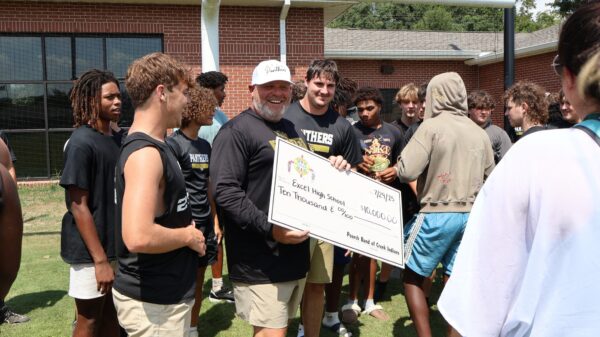
Aside from a handful of high-profile casino expansions in Pennsylvania, Chicago and Aruba, the overwhelming majority of the tribe’s money went to projects that enhanced life for tribal members, improved the town of Atmore, where the reservation is located, invested in various causes and initiatives around Alabama and grew out PCI’s many, many other business ventures. All of it in this state.
Those ventures include partnerships with the U.S. military, Disney, NASA and pretty much every hospitality company known to man. They span the industries of shipbuilding, farming, meat processing, communications and media, manufacturing, aviation and on and on and on.
Today, PCI employs more than 4,000 people in Alabama.
It has just 1,500 tribal members in the state.
The revenue the state has earned from just the payroll taxes rivals any corporation in Alabama. PCI has paid more than $350 million annually in taxes to Alabama and dumped another $50 million-plus into local communities through taxes.
It has a $20 billion annual economic impact on the state. That stretches far outside of the tribe’s gambling operations.
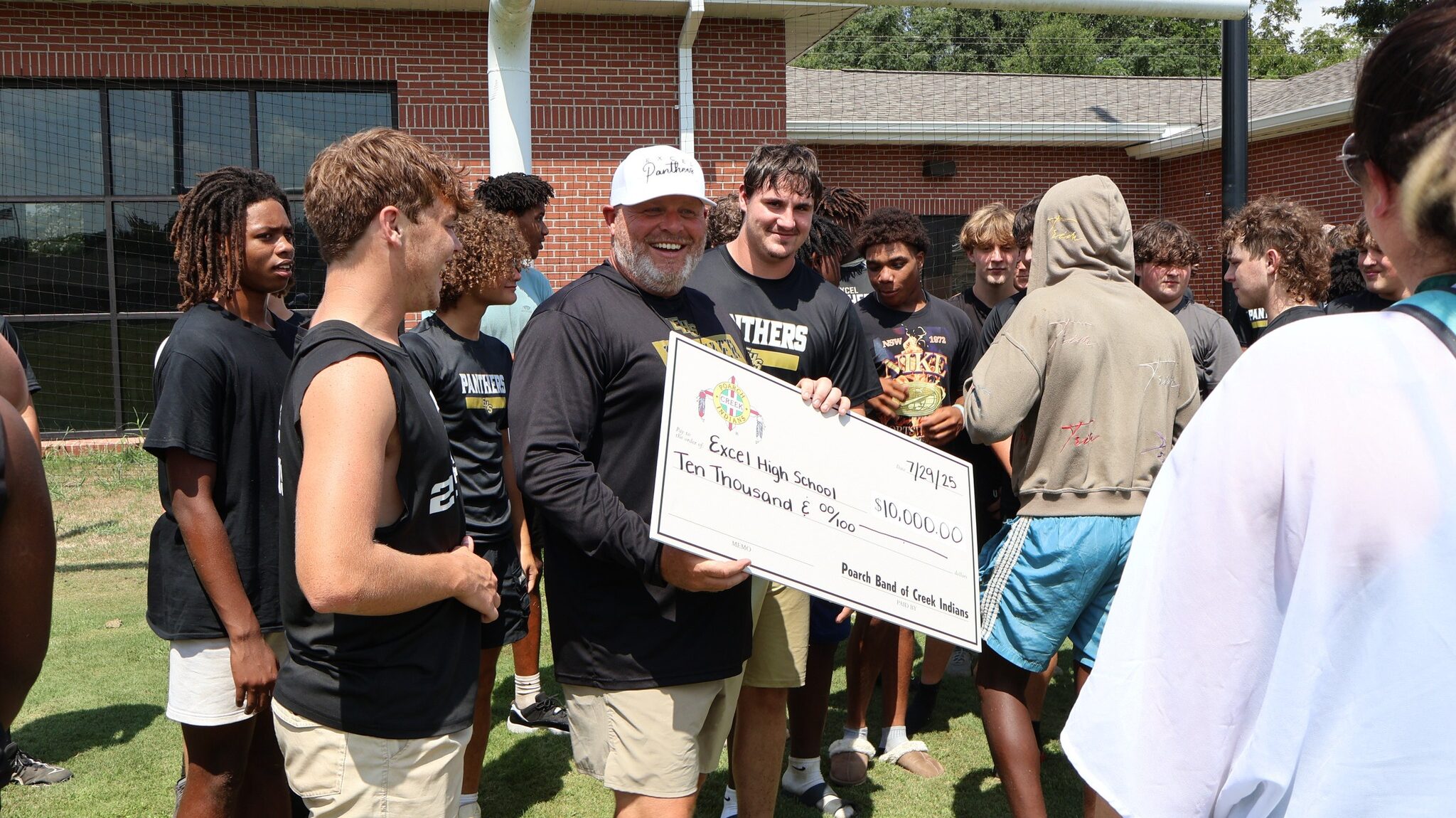
The Poarch Creeks are no longer that small Native American tribe that operates a bingo casino in Alabama. They’ve grown into an economic powerhouse with a conscience—a shining example of how profitable companies can contribute to the local economy and the betterment of local communities simultaneously. They’ve been one of Alabama’s most reliable and benevolent corporate citizens consistently over the past two decades.
It’s good to see that they’re letting people know, finally.