

















NFIB’s July Jobs Report shows the Small Business Employment Index rose in July after four consecutive months of decline, reaching 102.1 after measuring 100.2 in June. The July reading was above the 2025 average of 101.2 and the historical average of 100.0.
In July, 36 percent of small business owners, seasonally adjusted, reported job openings they could not fill, up 4 percentage points from June and the highest reading since June 2025. Thirty-one percent reported openings for skilled workers, up 4 points, while 14 percent reported openings for unskilled workers, up 2 points.
“Labor quality or availability as the top concern for Main Street rose in July, with employment growth falling behind the pace of economic growth,” NFIB Chief Economist Bill Dunkelberg said. “Most of the primary spending driving the economy is heavily concentrated in big projects like new data centers for AI. Hiring plans suggest that small business owners are expecting a surge in business that will require more workers.
“While the labor force remains stagnant, hiring will be sufficient to keep the unemployment rate about the same as compensation inches higher,” Dunkelberg said.
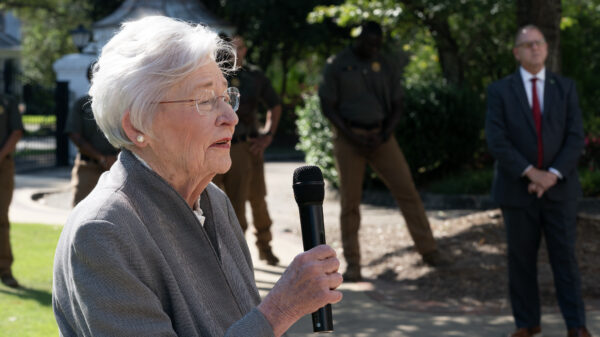
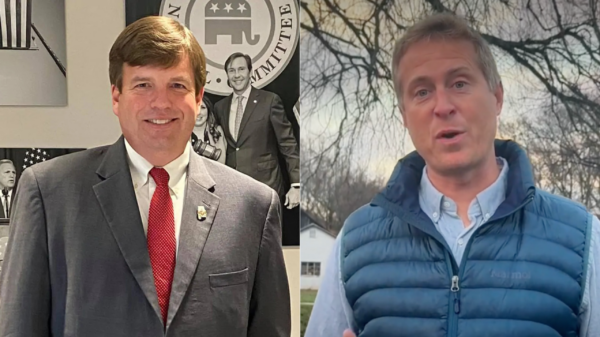
NFIB Alabama Director Rosemary Elebash said the national trends mirror concerns among Alabama small business owners.
“These national trends reflect the concerns we hear from small business owners here in Alabama,” Elebash said. “Many owners have work available but cannot find qualified people to fill the jobs. That puts pressure on Main Street businesses and can result in longer waits, fewer services and higher costs for customers.”
A seasonally adjusted net 20 percent of owners plan to create new jobs in the next three months, up 9 points from June. Hiring plans are at their highest level since October 2022 and are 9 points above the historical average.
Despite those forward-looking plans, actual hiring activity declined 1 point from June, with 61 percent of owners reporting that they hired or tried to hire in July.
Fifty-one percent of owners—85 percent of those hiring or trying to hire—reported few or no qualified applicants for the positions they were trying to fill, unchanged from June. Thirty-two percent reported few qualified applicants, up 5 points, while 19 percent reported no qualified applicants, down 5 points.
In July, 27 percent of small business owners cited labor quality or availability as their single most important problem, up 8 points from June and 15 points above the historical average of 12 percent.
While concerns about labor quality or availability increased, labor cost concerns remained unchanged. Eight percent of business owners cited labor costs as their single most important problem.
Both labor compensation measures also increased in July. A seasonally adjusted net 31 percent of owners reported raising compensation, up 3 points from June. A seasonally adjusted net 19 percent plan to raise compensation in the next three months, up 2 points from June.
Both actual and planned compensation changes remain above their historical averages.
Click here to read the full report.