






























The hardest political opponent a leader faces is not always across the aisle. Sometimes he is sitting on the same side.
Every governing coalition contains factions. Some make it stronger by challenging assumptions, exposing weaknesses and forcing better decisions. Others discover that confrontation itself can become a source of political power. The work of leadership is knowing the difference—and making sure neither becomes larger than the purpose the coalition was created to serve.
When a faction becomes powerful enough to intimidate the majority, the casualty is not merely party unity. It is the ability of government to act.
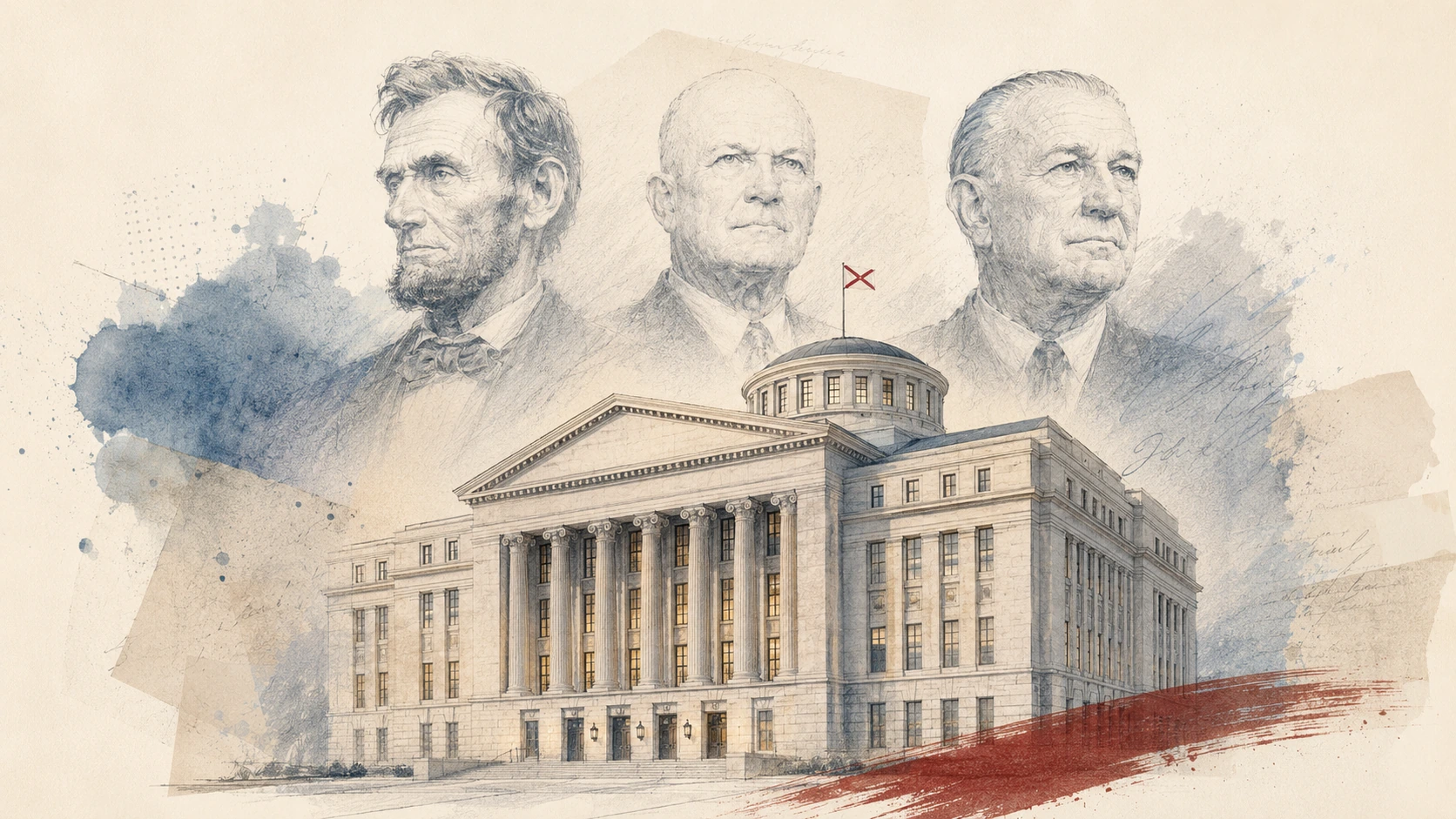
Abraham Lincoln knew that problem. So did Dwight Eisenhower and Lyndon Johnson. They faced different factions in different eras and handled them in very different ways. What they shared was an understanding that disagreement could be accommodated and opposition respected, but governing could not be surrendered.
Lincoln’s Republican Party was anything but unified. Radicals believed he moved too slowly against slavery and the Confederacy. Conservatives feared he was moving too far. His administration included ambitious men who had competed against him for the presidency and sometimes believed they could do his job better.
Lincoln listened to them, argued with them and sometimes changed his mind. At other times, he delayed, maneuvered or refused their demands. The factions could fight over timing, tactics and policy, but he would not allow their disagreements to become larger than the mission of preserving the Union and, as the war evolved, destroying the institution of slavery that had torn it apart.
That distinction is essential to leadership. A leader can compromise over methods without surrendering purpose. But once keeping every faction satisfied becomes more important than accomplishing what the coalition exists to do, the faction has begun to lead.
Eisenhower encountered a different danger.
Joseph McCarthy discovered that accusation could itself become political power. Disagreement could be recast as weakness. Caution could become disloyalty. Challenge him, and there was always the possibility that you would become his next target.
McCarthy attacked Democrats, but much of his leverage came from the fear he created among Republicans. Many understood the damage he was causing while also recognizing that confronting him carried political risks.
Eisenhower initially tried to contain McCarthy rather than give him the direct confrontation he wanted. There was wisdom in that. Political movements built around spectacle can grow stronger when more powerful figures supply the fight they seek. But accommodation works only until escalation learns that accommodation is its reward.
If another attack produces another concession, there is little reason to stop attacking. A leader who continually retreats to preserve peace may discover that he has merely moved the line from which the next demand begins.
McCarthy ultimately overreached. The Army-McCarthy hearings exposed his methods before a national audience, and Republicans joined Democrats when the Senate censured him in 1954.
McCarthy is not a stand-in for every modern insurgent. The lesson is broader: Leadership requires recognizing when accommodation has stopped holding a coalition together and begun rewarding the behavior that makes it harder to lead.
Johnson understood factions from a more practical perspective.
As Senate Democratic leader, Johnson presided over a party containing northern liberals, southern conservatives and senators scattered across nearly every position in between. Knowing that someone was a Democrat often told him remarkably little about how that senator would vote.
Johnson understood that factions look like blocs from a distance. Up close, they are people.
He wanted to know why a senator was resisting. Was the objection ideological or practical? Was there a genuine flaw in the bill? Was the senator worried about voters back home? Did he need political room, something for his state or a visible victory? Could the legislation be changed without sacrificing its purpose?
Johnson bargained, persuaded, pressured and sometimes bullied. Not all of his methods deserve admiration, but the governing insight beneath them does. Some members could be persuaded. Some had legitimate objections that could improve the legislation. Some needed room to dissent. Others simply would not come along.
Johnson did not need everyone. He needed enough.
That meant dealing with individuals, addressing legitimate concerns, making reasonable compromises and assembling the votes. Those who remained opposed were entitled to vote no. They were not automatically entitled to determine what everyone else could accomplish.
Lincoln kept the purpose larger than the faction. Eisenhower’s experience showed that accommodation eventually requires a boundary. Johnson understood that governing requires a majority, not unanimity.
Those lessons remain useful, but the machinery surrounding political factions has changed dramatically.
A disagreement inside a caucus can become a public accusation within minutes. Ideological media can amplify it. Social media can spread it before most people understand the underlying issue. Activists can turn it into a loyalty test. Party organizations can formalize the grievance. Outside interests can finance the fight, and eventually a primary challenger can convert all that pressure into an election.
None of that is inherently improper. Citizens may criticize elected officials, organizations may advocate, parties may take positions and candidates may challenge incumbents. Together, however, those forces can create a system in which confrontation becomes self-reinforcing.
Politicians gain attention by creating the fight. Media outlets gain audiences by amplifying it. Activists gain influence by escalating it. Outside interests demonstrate their power by showing that resistance can carry a political cost.
The machinery of factional power has changed. The responsibility of leadership has not.
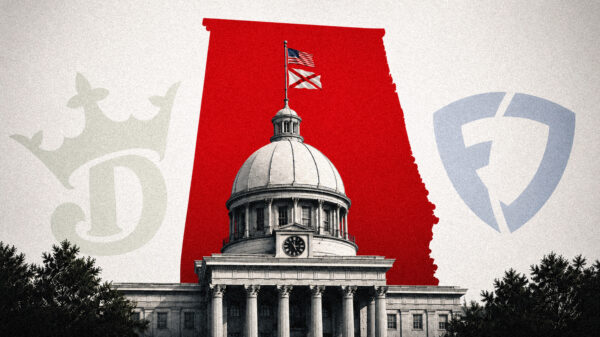
That history has obvious relevance in Alabama. Nearly 16 years of Republican dominance have moved much of the state’s meaningful political competition inside the Republican Party itself. A relatively small faction does not have to control a legislative chamber to exercise substantial influence. It can make governing politically expensive, turn compromise into evidence of disloyalty and make other Republicans fear consequences outside the State House for decisions made inside it.
Those disputes therefore affect more than the Republican Party. Republicans overwhelmingly control the government responsible for serving every Alabamian. The question is no longer simply how to keep a caucus together. It is whether that caucus can still build majorities and govern when some of the strongest political incentives reward confrontation over accomplishment.
Factions themselves are not the problem. Sometimes the dissenter is right, and sometimes leadership needs to be challenged. Any healthy governing coalition needs people willing to question those in charge.
The danger begins when confrontation becomes more valuable than accomplishment, disruption produces greater rewards than governing and satisfying the most aggressive faction becomes more important than the work the majority was elected to do.
History offers no formula for that moment. What it offers is judgment.
Listen. Bargain. Compromise when it improves the outcome. Know the individuals, build a majority and give dissenters room to dissent without giving them a veto.
Eventually, leadership may require saying no to people on your own side. That can be harder than opposing the other party because those are the people who helped elect you. They may share most of your beliefs. They may be supporters, allies and friends. They may also be capable of making your political life considerably more difficult.
That is precisely why the moment matters. Leadership cannot be measured by how successfully a leader avoids political discomfort. It is measured by whether the coalition can still accomplish the work it was entrusted to do.
Lincoln, Eisenhower and Johnson did not make factions disappear. They listened, bargained, accommodated and built coalitions while understanding that something had to remain larger than keeping every faction happy.
A governing majority cannot allow the faction most willing to create a crisis to decide what everyone else may accomplish.
Political factions are permanent. Leadership is what keeps faction from becoming paralysis.
A faction deserves a voice. It does not automatically deserve a veto.