





























Alabama’s economy continues to grow. New companies are choosing to locate here, existing industries are expanding, and employers across the state are creating good jobs for Alabamians.
Growth like that brings opportunity, but it also brings responsibility.
One challenge is becoming increasingly clear: Alabama needs more skilled workers. Whether it’s construction, manufacturing, transportation, utilities, healthcare or advanced manufacturing, employers are looking for people with the technical skills needed to step into today’s workforce. Many of those jobs offer excellent wages and long-term careers, but businesses often struggle to find enough qualified applicants. That’s why workforce education has become such an important part of Alabama’s economic future.
Preparing more people for high-demand careers is not just about education. It is about ensuring employers have the workforce they need to continue investing in our state. That effort must include developing talent within underserved and justice-involved populations – individuals who represent an often-overlooked workforce with tremendous potential.
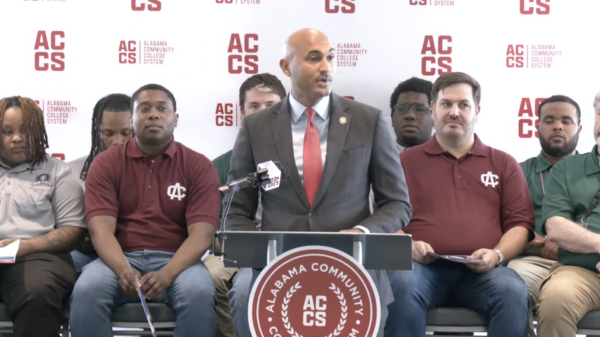
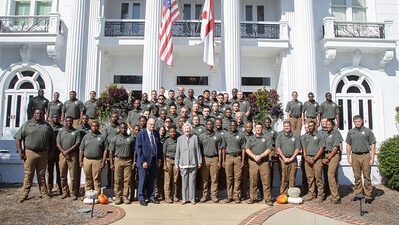
As part of the Alabama Community College System, J.F. Ingram State Technical College, ISTC, is dedicated to serving the incarcerated population across the state. ISTC is innovatively expanding its workforce training model this fall at Bibb, Donaldson and Limestone Correctional Facilities by creating the ISTC Workforce Academy. Under the leadership of President David Walters, whose career has centered on workforce, technical and adult education, the college is increasing integrated skills training opportunities for Alabama’s justice-involved population though the ISTC Workforce Academy, while helping meet the state’s growing demand for skilled workers.
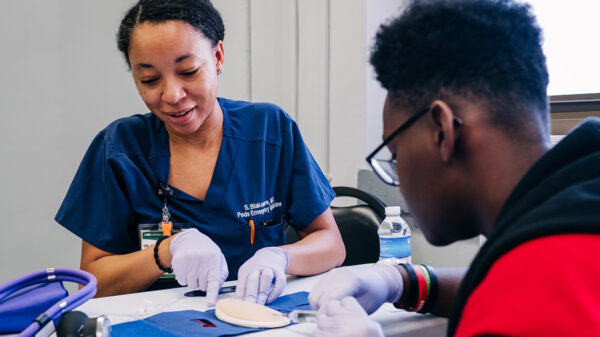
Students spend part of each day receiving hands-on technical training in fields where Alabama employers continue to need workers. The remainder of the day is dedicated to structured reentry instruction that emphasizes workplace expectations, communication, financial literacy, problem-solving and personal responsibility. Together, those skills prepare graduates for success both on the job and in their communities.
The work doesn’t end when a student earns a credential. The college’s Job Placement Coordinators work directly with employers throughout Alabama to identify hiring needs and connect graduates with available positions in their home communities. That partnership helps businesses find qualified employees while giving graduates an opportunity to begin productive careers.
Programs like this produce benefits that reach well beyond the classroom. Employers gain access to skilled workers. Families gain greater financial stability. Communities benefit when more people are employed, and Alabama strengthens the workforce that supports continued economic growth.
President David Walters believes workforce education is one of the smartest investments Alabama can make. “Every credential earned represents an opportunity – for the individual, for an employer, and for our state,” Walters said. “When we prepare people with the skills businesses are looking for, we strengthen Alabama’s workforce and create opportunities that benefit everyone.”
That philosophy is helping shape the college’s direction. By expanding access to workforce training, strengthening employer partnerships and connecting more graduates with meaningful employment, Ingram State is helping address one of Alabama’s most pressing workforce challenges while creating opportunities that benefit individuals, employers and communities alike.
Meeting Alabama’s workforce needs will require collaboration among educators, employers and state leaders. Expanding access to technical education is one way to help meet that demand while preparing more Alabamians for meaningful careers. As our state continues to grow, so will the need for skilled workers. Developing that workforce today will help ensure Alabama remains competitive for years to come.