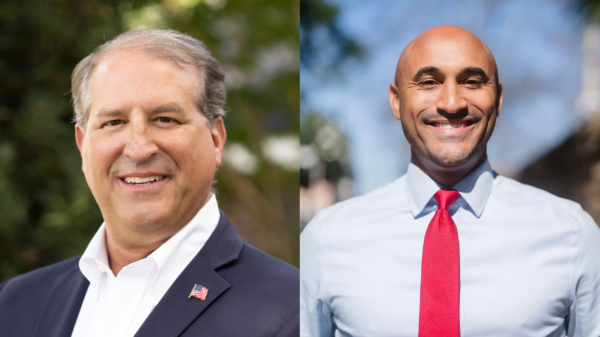









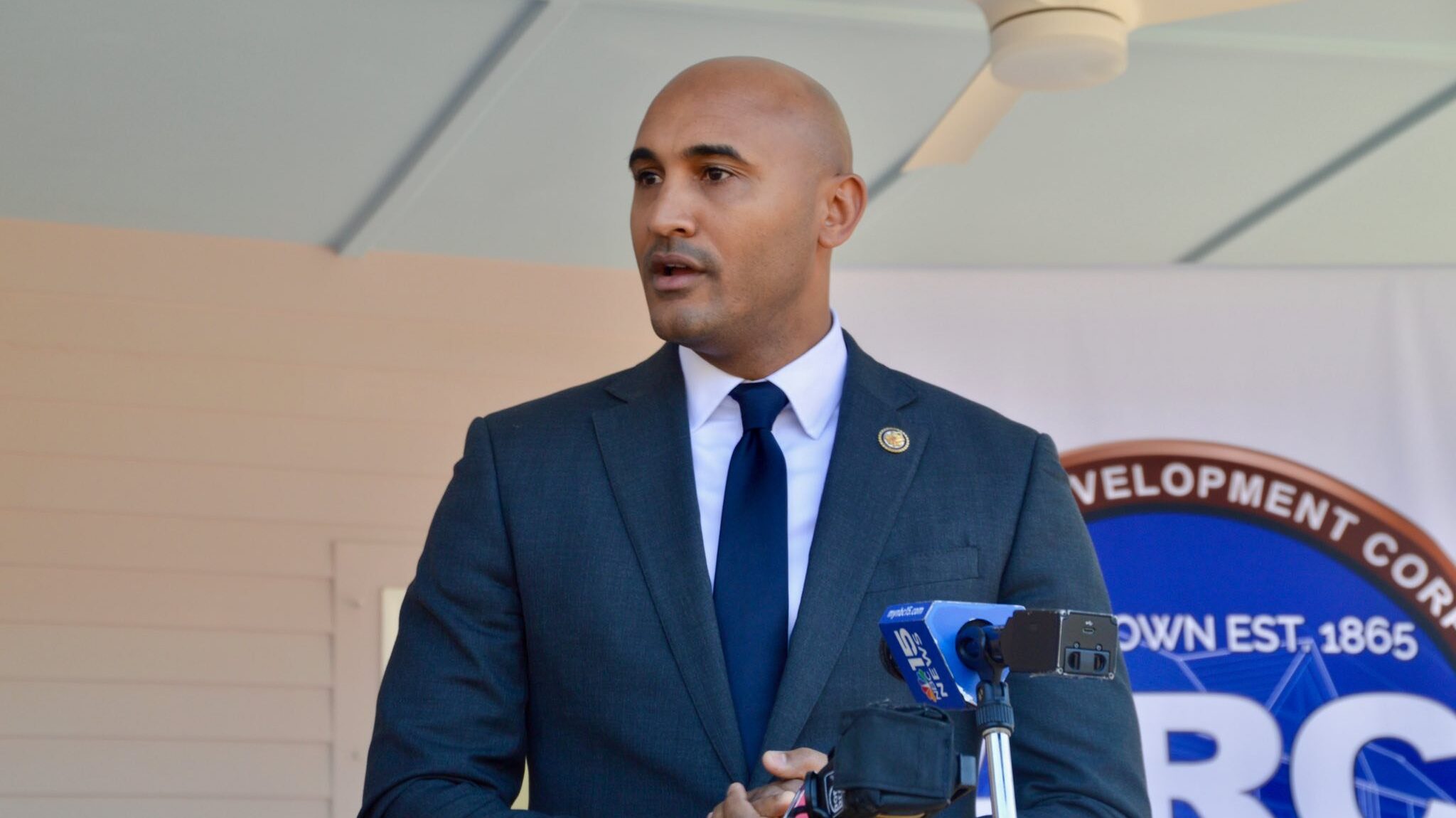
U.S. Representative Shomari Figures, D-Alabama, is asking Congress to take a closer look at President Donald Trump’s decision to allow 300,000 metric tons of foreign beef into the United States, warning that the policy could hurt Alabama cattle producers and threaten the long-term stability of the domestic beef industry.
Figures sent a letter Monday to House Agriculture Committee Chairman Glenn “G.T.” Thompson requesting that the committee convene an emergency hearing to examine Trump’s August 26 proclamation authorizing lean beef trimmings to enter the United States over the next three months without otherwise applicable above-quota tariffs.
According to the letter, the imported beef could also be sold below market value, creating a disadvantage for American cattle producers.
The administration has said the policy is intended to address elevated beef prices and increase the supply of ground beef available to American consumers. Figures, however, questioned whether the move would provide meaningful savings for consumers and whether any short-term benefit could come at the expense of U.S. cattle producers.
“The Administration has stated that the action is intended to address elevated beef prices and increase the supply of ground beef for American consumers,” Figures wrote. “However, the decision has raised significant concerns among cattle producers, agricultural organizations, and consumers about what, if any, economic relief this policy will provide.”
Figures said industry stakeholders have also warned that the long-term consequences could include higher beef prices and cattle farmers being forced out of business. He argued those potential effects could outweigh temporary and minimal short-term relief for consumers.
Figures is asking the Agriculture Committee to examine several issues, including the potential effects of the proclamation on American cattle producers, the nation’s domestic cattle herd and the long-term stability of the beef supply chain.
He also wants lawmakers to determine whether the policy is likely to provide meaningful relief to consumers and whether it could further weaken the U.S. cattle industry and domestic beef supply.
Figures urged Thompson to schedule the hearing “at the earliest possible opportunity.”
“I urge you to convene an emergency hearing at the earliest possible opportunity so that Members of the Committee can conduct appropriate oversight and hear directly from the Administration, stakeholders, and the producers most affected by this decision,” Figures said.
Last week, Figures announced plans to introduce legislation to reverse Trump’s decision. Figures said Alabama cattle farmers were already dealing with rising costs, market instability and lower profits. He also pointed to broader economic pressures facing farmers, including the effects of tariffs, and said he had heard directly from producers about the difficulties they are facing.
“The Committee has a responsibility to understand the implications of the President’s latest policy for American agriculture,” Figures wrote.