





















Tommy Tuberville has a plan for data centers.
No, for real. There’s no punchline here. There’s not even a backhanded compliment.
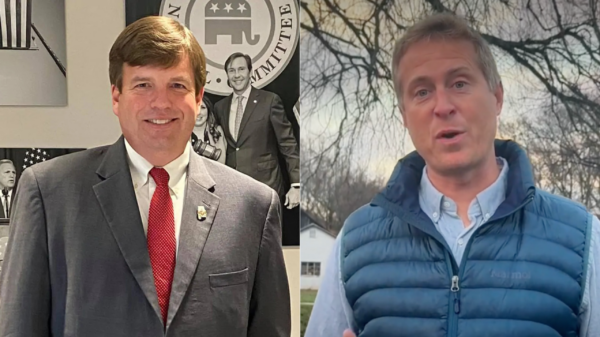
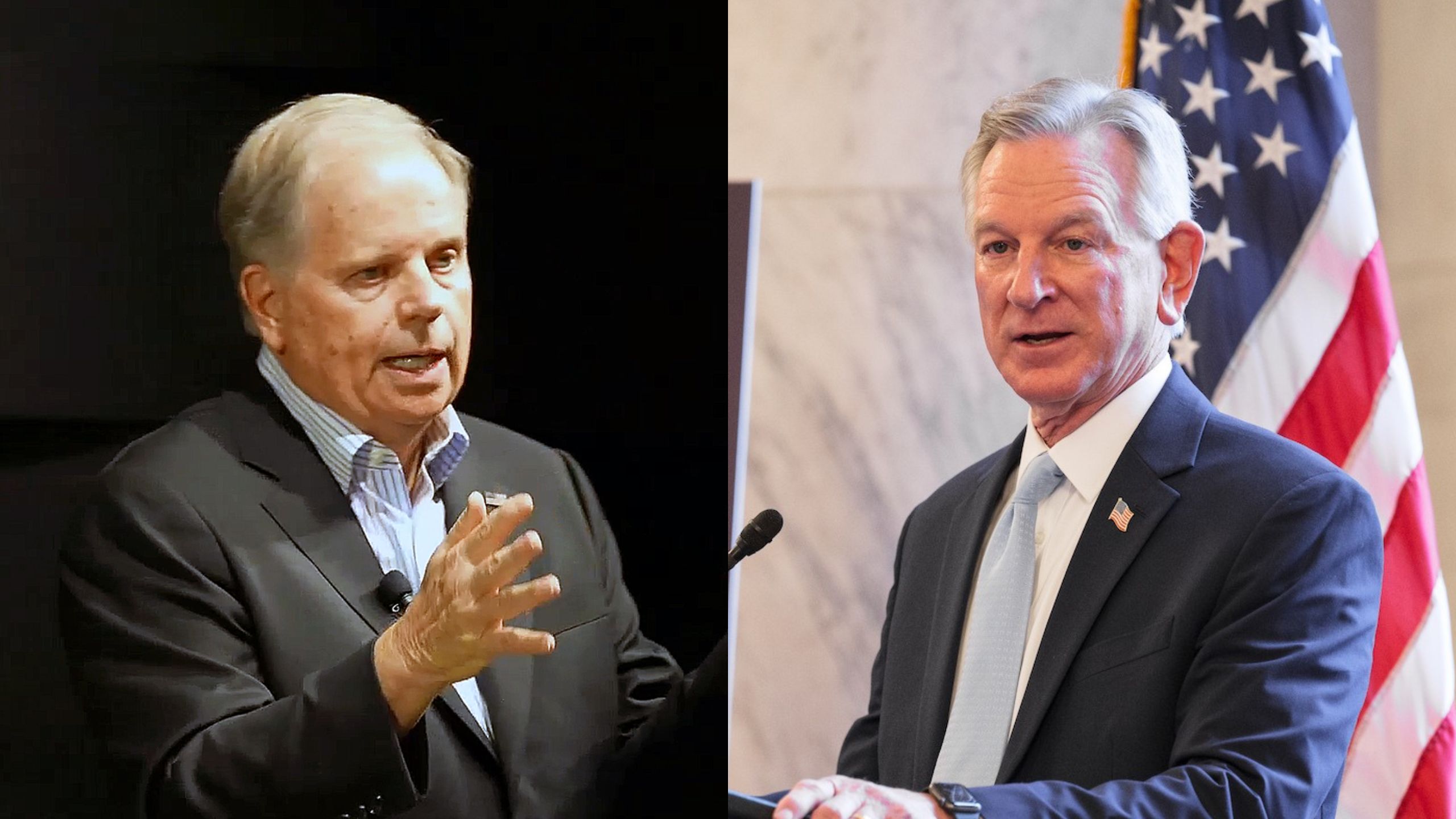
APR published an op-ed from Alabama’s sitting U.S. senator and gubernatorial candidate this morning, and it contains details of a four-point plan that Tuberville would implement should he become governor.
I’m not going to get into the details of it here—you can read it for yourself and make up your own mind—but I was pleasantly surprised by some of the points, primarily because they were things that I’ve suggested should be put in place. Like killing the stupid tax abatements for projects that generate billions of dollars for data center owners and employ very few people. And establishing a system in which data center companies pay into a fund that helps offset any costs that might otherwise be passed along to citizens.
Now, I’m not sitting here trying to tell you that Tuberville, or anyone on his team, read something I wrote and took notes. It’s possible for two people—even ones who sit on opposite sides of almost every issue—to arrive at the same conclusions after studying the problem and learning the intricacies of the situation. That’s most likely what happened here.
But I will say this: Isn’t it nice to be sitting here talking about a serious topic and how two candidates for public office are taking it seriously, offering up serious proposals and laying out serious plans?
I spoke with Doug Jones, the Democratic candidate for governor and former U.S. senator, about his plans for data centers some time back. In fact, I wrote about those plans and about how they formed a good, serious outline for how the state should approach the data center issue.
There are significant differences between the two candidates’ approaches to the issue. Differences that Alabama voters should weigh and decide what makes more sense to them. Differences that could be mixed and matched to form the ultimate plan.
For example, Jones, as most everyone knows by now, is calling for a one-year moratorium on data center construction. That’s reasonable. Tuberville, though, says a moratorium would put Alabama behind in a tech race. That’s also a reasonable position to take.
The reality is, though, that while a year could be too long, there’s going to have to be some sort of moratorium put in place in order to implement many of the protocols that Tuberville would like to see implemented. For example, one element of his plan involves changing the tax code in order to impose significant property tax increases on data centers.
Ask Bob Riley how easy it is to change the Alabama tax code, particularly where property tax rates are involved.
But again, that’s in the weeds of this thing, and my point here is: Isn’t it nice to have weeds?
What’s happening right here is my absolute dream for every election in Alabama—a contested race in which both sides have a chance to lose and both sides are forced to listen to voters, learn issues, craft detailed plans and mold their positions to fit the wishes of the electorate.
That is representative politics. That’s how it’s supposed to work.
Compromise and debate. Give and take. Until we get a final result that no one is entirely happy with and no one is entirely angry about. Something that works for the masses.
I sincerely hope that this is merely the first step in that process for the governor’s race. In the coming weeks, I plan to ask both campaigns for their positions on a number of key issues that truly matter to the people of this state: health care, prisons and the Alabama Department of Corrections, gambling, medical and recreational marijuana, education, higher education, small business growth and overall economic development.
The goal is to get answers like we now have with data centers. Detailed, comprehensive and thoughtful. Not just partisan rhetoric that fails to get close to addressing the actual things that are affecting real people.
Voters deserve those types of answers before giving their vote to any candidate for any office, much less one as important as governor.
That’s the way it’s supposed to be, you know. That’s how this whole American government, two-party system is supposed to work. You’re not supposed to get wide swaths of states or of the country that are represented by a single party, shutting out some 40 percent of the electorate and drifting further and further to the extremes every day. It’s not supposed to work that way for either side—and no matter my political preference, I never want it to be that way.
We need that balance. Because balance forces accountability. Balance forces our politicians to work for us instead of for special interests and big-money donors. Balance forces our elected leaders to listen to all voices, consider all points of view and craft their platforms based on that knowledge.
That’s how American democracy is supposed to work. It’s nice to see it make an appearance in Alabama.