











Eight Alabama community mental health providers received 11 grants totaling more than $8 million through the first round of the Alabama Rural Health Transformation Program.
The awards will fund school-based crisis care, telehealth services, mobile crisis response, cybersecurity improvements and efforts to expand integrated mental health and substance use treatment in rural communities.
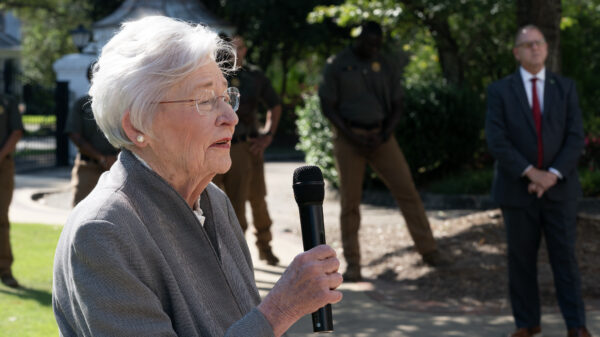
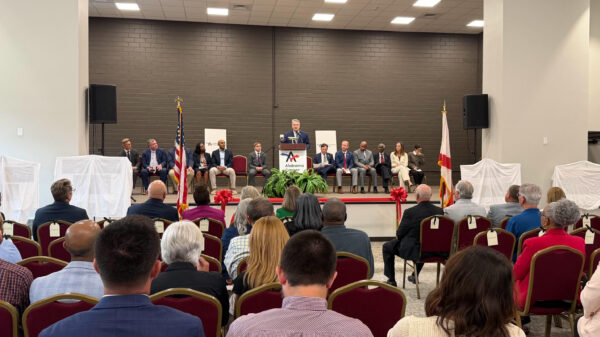
Governor Kay Ivey announced August 24 that 138 projects would receive more than $144 million through the program. The federally funded initiative is administered by the Alabama Department of Economic and Community Affairs.
The Alabama Council for Behavioral Healthcare, a statewide association representing 21 community mental health providers, said eight of its members received funding. The association’s members employ more than 5,200 people and serve more than 115,000 Alabamians annually.
AltaPointe Health Systems will receive $935,895 to establish the Alabama School Mental Health Network, a collaboration among 17 community mental health centers serving rural public schools.
According to the association, participating schools will have a single point of access to connect students experiencing a behavioral health crisis with mental health professionals through a specialized tablet-based telehealth platform.
The state’s award announcement lists 44 counties that could be served by the network.
“The Alabama School Mental Health Network represents an innovative collaboration among community mental health centers to ensure students can access help when they need it most,” AltaPointe Health Systems CEO Tuerk Schlesinger said.
“By using telehealth to create a unified point of access, we can quickly connect students in crisis with qualified mental health professionals, regardless of where they live,” Schlesinger said.
Approximately $4.39 million will support six community mental health centers working toward certification as Certified Community Behavioral Health Clinics:
-
Carastar Health will receive $1.04 million to expand behavioral health services and strengthen its certification infrastructure in Elmore and Lowndes counties.
-
CarePath Behavioral Health will receive $865,600 to expand mental health and substance use services and prepare five rural locations in Clarke, Conecuh, Escambia and Monroe counties for the CCBHC model.
-
Central Alabama Wellness will receive $589,096 to establish a 24-hour mobile crisis service in Chilton and Shelby counties and support its transition toward certification.
-
Integrea Community Mental Health System will receive $867,545 to expand behavioral health services and support its transition to the CCBHC model in Chambers and Tallapoosa counties.
-
The Jefferson-Blount-St. Clair Mental Health Authority will receive $542,965 to develop certification infrastructure in Blount, Jefferson and St. Clair counties.
-
Northwest Alabama Mental Health Center will receive $480,408 to strengthen staffing and care delivery systems in Fayette, Lamar, Marion, Walker and Winston counties.
The federal CCBHC model requires participating clinics to provide comprehensive, coordinated mental health and substance use services to anyone seeking care, regardless of ability to pay or place of residence.
The grants will help the six providers prepare for certification but do not grant CCBHC status.
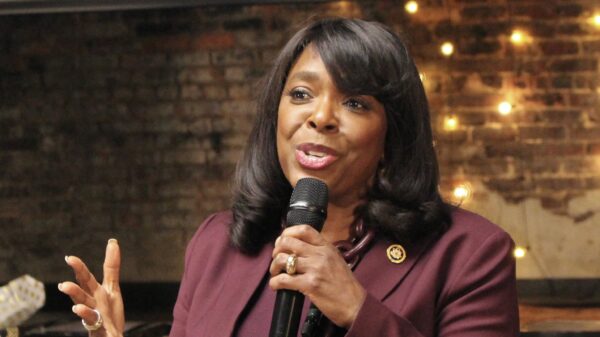
“Alabama’s community mental health centers see every day what happens when children and families in rural counties can’t get timely care, and these grants are a direct investment in closing that gap,” Alabama Council for Behavioral Healthcare Executive Director Holly McCorkle said.
In addition to the school network and CCBHC-related awards, AltaPointe will receive $2.21 million to establish integrated primary and behavioral health access points in Ashland and Sylacauga and $457,073 for cybersecurity improvements across its rural network.
Central Alabama Wellness will receive an additional $43,580 to upgrade its electronic health record system.
WellStone will receive $86,660 to place specialized tablets in Cullman County schools, allowing students to connect with local therapists when an in-person provider is unavailable.