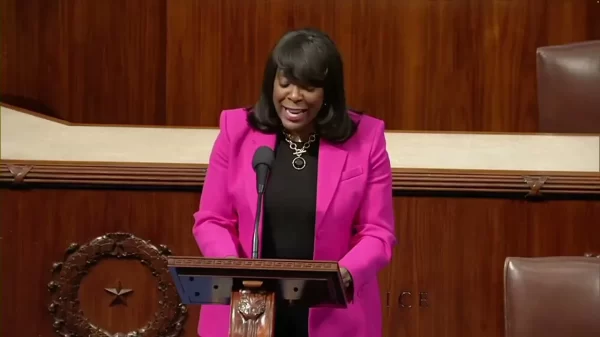






























U.S. Representatives Terri Sewell, D-Alabama, and Kathy Castor, D-Florida, introduced legislation Monday that would extend a federal program designed to limit Medicare Part D premium increases.
The Affordable Premiums for Seniors Act would require the Centers for Medicare & Medicaid Services to continue the Part D Premium Stabilization Demonstration through 2029. The Trump administration announced in July that it would end the demonstration after 2026.
The voluntary program applies to stand-alone Medicare prescription drug plans. CMS implemented it in 2025 as changes under the Inflation Reduction Act shifted a greater share of prescription drug costs to Part D plans.
Those changes included a $2,000 annual limit on beneficiaries’ out-of-pocket prescription drug expenses beginning in 2025. The demonstration provided additional federal subsidies and limits on annual premium increases as insurers adjusted to the redesigned benefit.
CMS said in July that its analysis of bids for the 2027 plan year showed Part D insurers had gained enough experience with the redesigned benefit to support their pricing assumptions. The agency said it would end the demonstration and return the program to “traditional market conditions” in 2027.
CMS expects to release final average Medicare Advantage and Part D premiums for 2027 later in September, according to the agency’s announcement.
Sewell said ending the demonstration could increase monthly expenses for Medicare beneficiaries, particularly those living on fixed incomes.
“At a time when seniors are already struggling,” Sewell said, the administration should be working to reduce costs rather than ending the program.
Sewell’s office, citing the Medicare Payment Advisory Commission, said the demonstration reduced beneficiaries’ premiums by an average of $312 in 2026.
The legislation would require CMS to continue the demonstration through 2029 and extend it beyond that year if ending the program would increase premiums for Medicare beneficiaries. It would also direct CMS to issue guidance for the 2027 plan year within 30 days after the bill becomes law.
Castor said the legislation would give Medicare beneficiaries greater certainty about their prescription drug expenses.
“The added strain of higher prescription drug costs is the last thing they need,” Castor said.
Sewell is a senior member of the House Ways and Means Committee, which has jurisdiction over Medicare. She was the only member of Alabama’s congressional delegation at the time to vote for the Inflation Reduction Act in 2022.
The legislation has 16 additional House co-sponsors, according to Sewell’s office.
The bill text is available online.