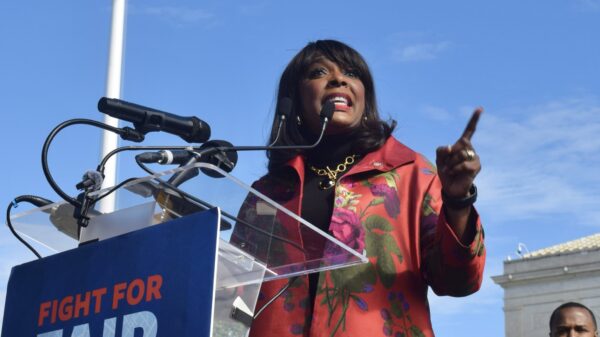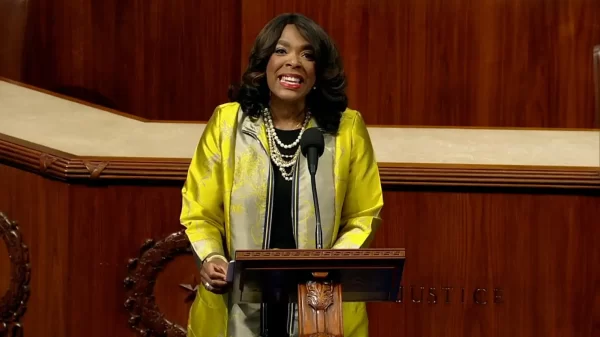









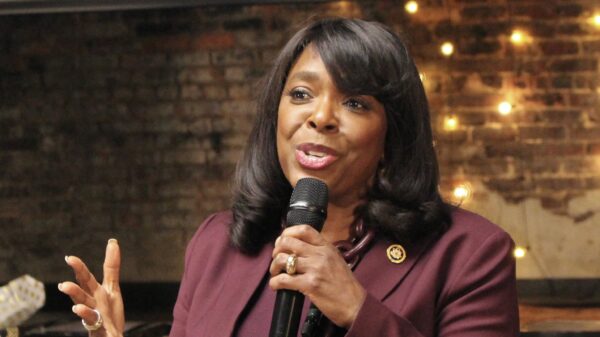





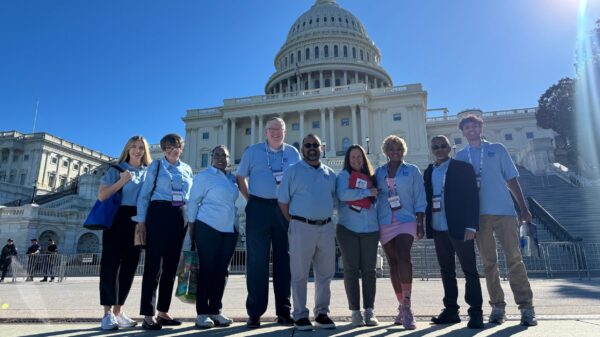


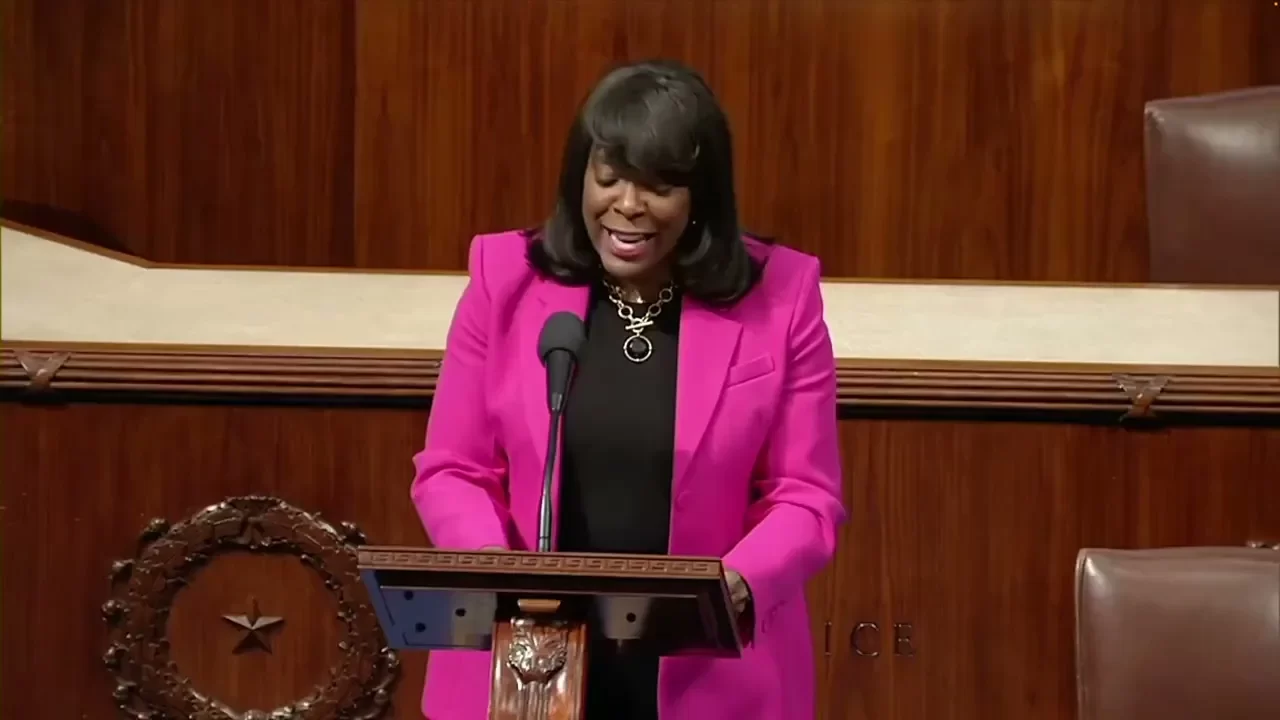
U.S. Representative Terri Sewell, D-Alabama, has introduced legislation that would require payers compensating college athletes for the use of their name, image and likeness to withhold 30 percent for federal income taxes.
The proposal is intended to reduce the risk of student-athletes receiving large, unexpected tax bills after spending income earned through NIL agreements.
Sewell introduced House Resolution 10236, the Protecting Student Athletes from Unexpected Tax Liability Act, on September 2 with U.S. Representative Danny Davis, D-Illinois. The bill was referred to the House Ways and Means Committee, where Sewell is a senior member.
The Internal Revenue Service generally considers cash and noncash NIL compensation taxable income. Depending on the nature of an agreement, some payments may also be subject to self-employment taxes. Unlike wages from a traditional job, payments to independent contractors generally do not have taxes automatically withheld, leaving recipients responsible for setting aside money and, when required, making estimated payments during the year.
Under Sewell’s bill, covered NIL payments would be treated as wages solely for federal income tax withholding purposes. Payers would be required to withhold 30 percent of cash payments or 30 percent of the fair market value of property or services provided as compensation.
The legislation defines a student-athlete as a full-time college student making satisfactory progress toward a degree and participating in intercollegiate athletic competition or on a varsity sports team.
The withholding requirement could not be used to determine whether a student-athlete is an employee or independent contractor. Athletes could also elect to opt out of automatic withholding. The proposed requirements would apply to payments made in tax years beginning after December 31, 2027.
“I have heard troubling stories of student-athletes who were unaware of their tax obligations and later found themselves facing significant tax bills and penalties from the IRS after much of their NIL income had already been spent,” Sewell said.
“No young person should be blindsided by an unexpected tax liability simply because they did not understand the complex rules that came with their newfound income,” she added.
The legislation would not reduce the amount of federal tax an athlete ultimately owes. Instead, money withheld would be credited toward the athlete’s tax liability when a return is filed. Depending on the athlete’s income and circumstances, the 30 percent withholding could result in either a refund or an additional amount owed. The bill would not address state tax obligations.
Sewell’s office pointed to testimony before the House Ways and Means Committee from former NFL player and NFL Players Association Vice President Sam Acho.
Acho told the committee about an 18-year-old athlete who received $750,000 in NIL income but had just over $6,000 remaining after helping his family and paying living expenses. According to Acho, the athlete later faced a $320,000 tax bill after failing to set aside money or make estimated quarterly payments.
Acho urged Congress to consider automatic withholding as one way to help young athletes manage their tax obligations.
The bill would also provide a one-time waiver of federal underpayment penalties for certain qualifying student-athletes, subject to a determination by the Treasury secretary.
It would require the Treasury Department to report to Congress by the end of 2029 on the costs and benefits of the program, payer compliance and whether the 30 percent withholding rate accurately reflects student-athletes’ needs.
Bill text is available here.