






















Crystal is a 36-year-old mother of two who came to one of Alabama’s Family Resource Centers looking for a path to a better-paying job with benefits and consistent hours. She was working at a local pharmacy and receiving SNAP benefits to help feed her family while she worked toward greater stability. With individualized support, Crystal secured a job with a local insurance company. She didn’t stop there. She earned her insurance license and now works as an insurance agent. Today, she no longer needs SNAP benefits as she contributes to her community, including by providing leadership at the family resource center.
Families like Crystal’s rely on SNAP in communities across Alabama. Approximately 680,000 Alabamians, one in seven people in our state, receive SNAP benefits. Most are children, older adults and people with disabilities, and the average benefit is modest, about $2 per meal. Alabama’s Family Resource Centers work every day to help families build strong, stable lives.
Workforce development programs, parenting education, after school programs and connections to community resources are in our wheelhouse. Much of our work is about prevention, helping families address challenges before they become crises.
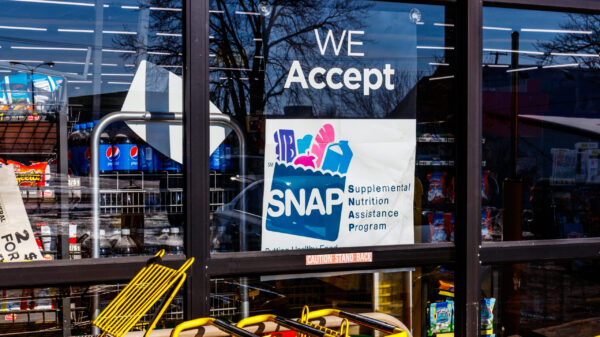
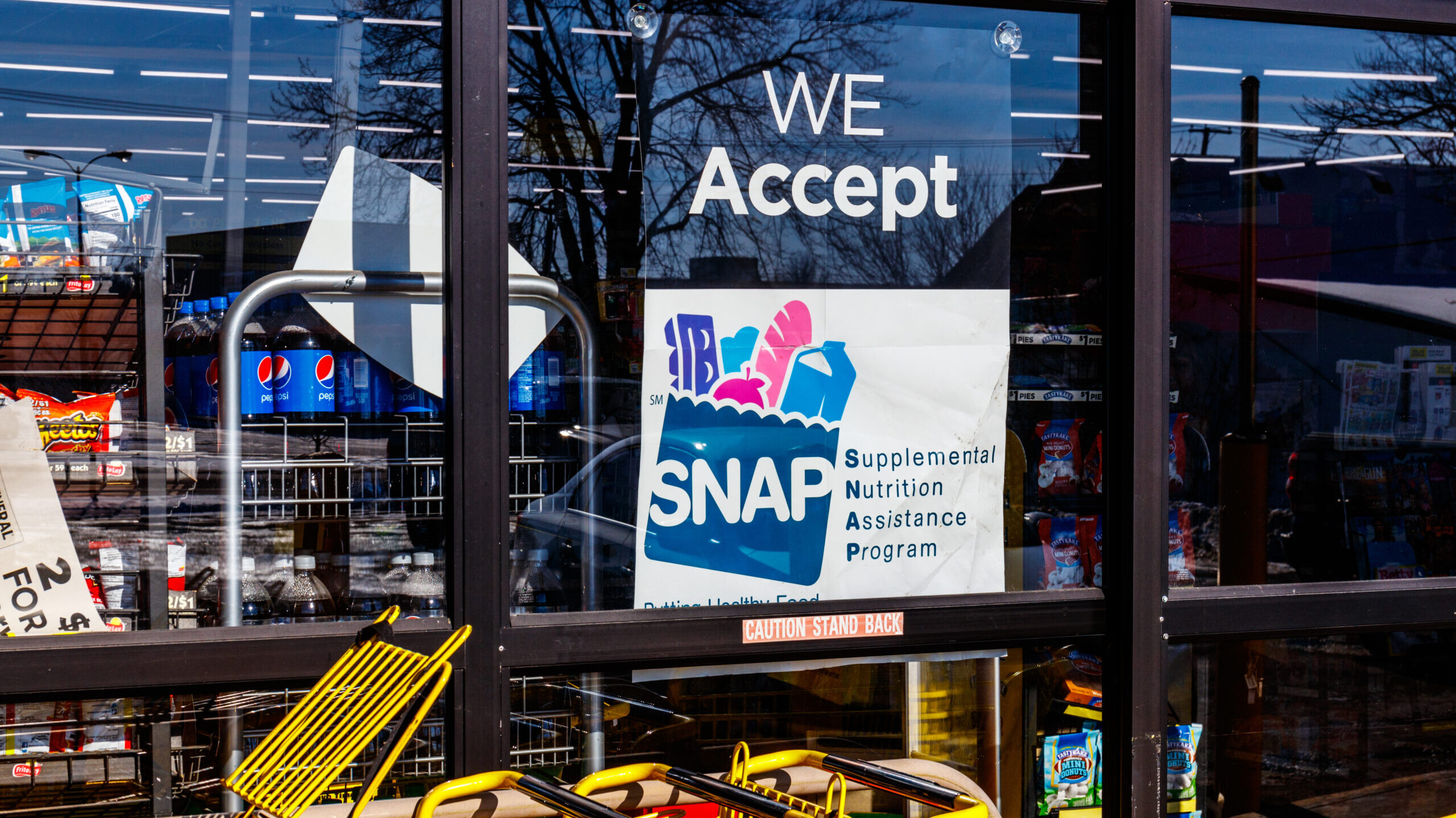
That is why we are gravely concerned about the looming crisis facing Alabama’s Supplemental Nutrition Assistance Program, or SNAP.
The One Big Beautiful Bill Act made significant changes to SNAP, including requiring states for the first time to pay a portion of SNAP benefit costs based on their payment error rates.
Alabama’s payment error rate is actually below the national average. Yet unless something changes, that rate will leave our state responsible for approximately $174 million in SNAP benefits beginning in 2028.
Finding an additional $174 million would be an enormous challenge for an already stretched state budget. If Alabama cannot come up with the money, the state’s SNAP program will be eliminated. That would mean the loss of a program through which approximately $1.7 billion in SNAP benefits flow into Alabama communities each year.
The term “error rate” can also be misleading. A payment error is not the same thing as fraud. It occurs when a household receives more or less in benefits than it should because of mistakes in determining eligibility or calculating the correct benefit. The error rate includes both overpayments and underpayments.
Alabama should absolutely work to improve the accuracy of its SNAP program. But we can solve an administrative problem without creating a crisis for thousands of families.
Family Resource Centers know what happens when there isn’t enough food in the house. We also know the extraordinary generosity of Alabama communities. Our centers routinely work with food banks, churches, businesses and individual donors to provide emergency food assistance.
But charitable organizations cannot replace SNAP. The scale simply doesn’t work. For every meal provided through Alabama’s charitable food network, SNAP provides nine. Family Resource Centers are already seeing increased demand for food assistance. If Alabama’s SNAP program is eliminated because the state cannot absorb the new costs, there simply isn’t enough private philanthropy, donated food, or nonprofit capacity to fill the gap.
The consequences would extend beyond the dinner table.
SNAP is also an important part of Alabama’s economy. Benefits are spent at nearly 5,000 retailers across the state, and research estimates that every SNAP dollar generates approximately $1.80 in economic activity. These dollars flow through communities, helping support grocery stores, employees, truckers, farmers and other businesses.
At Family Resource Centers, we see another consequence that is harder to measure.
Hunger creates the kind of family stress we work every day to prevent.
Parents cannot focus on finding a better job, completing a credential, helping a child succeed in school or building financial stability when the immediate question is whether there will be enough food for dinner. SNAP does not accomplish those larger goals for a family. But having enough food provides stability that helps families keep working toward them.
And this is where Alabama has a reasonable request to make of Congress.
Our neighbors in Georgia have a SNAP payment error rate significantly higher than Alabama’s. Yet because of the way the new law was written, Georgia and several other states with the highest error rates were given two additional years before the new benefit cost sharing requirement takes effect. Alabama, despite having an error rate below the national average, was not given that additional time.
Alabama is not asking to be relieved of its responsibility to improve. We are asking for time to do it.
For more than 25 years, Alabama’s Family Resource Centers have taken a strengths based approach to working with families. We help families define their goals, recognize their strengths and use those strengths to move forward. We have learned from the families we serve that difficult problems can be solved when we focus on what is working, use our resources wisely, and work together.
We believe Alabama can do the same.We join a growing chorus of Alabamians asking Congress to give Alabama the same time it has already given Georgia and other states. Give our state two additional years to improve its payment accuracy without putting food assistance for hundreds of thousands of Alabamians at risk.
Alabama can solve an administrative problem without creating a family crisis. We should.