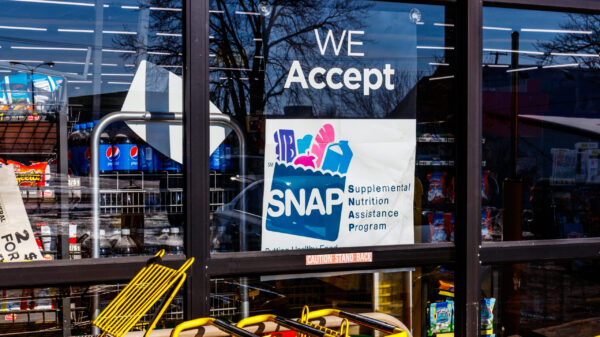



















The Southern Poverty Law Center warned Thursday that changes made to the Supplemental Nutrition Assistance Program last year are reinforcing barriers to food security in at-risk communities.
In a report titled “Portions and Prejudice: How Unequal Access and HR 1 Cuts Fracture Food Aid”, released in recognition of Hunger Action Month, the SPLC highlighted enrollment declines following nearly $190 billion in cuts to SNAP funding enacted through last year’s One Big Beautiful Bill Act.
The analysis explores how the OBBBA created additional barriers in the Deep South, particularly among Black and rural communities, and how an impending requirement that certain states begin providing a portion of their SNAP programs’ funding could further affect the program.
“The decision to cut families off from SNAP to help pay for tax breaks for the extraordinarily wealthy showed blatant disregard for the reality that everyday people, especially in the Deep South, have been living,” SPLC policy analyst Gina Azito Thompson said. “A year after H.R. 1 was signed, household bills are still far too high for so many families struggling to survive this affordability crisis, and yet many are callously being told to fend for themselves when it comes to putting food on the table.”
The SPLC reported that between July 2025 and February 2026, Alabama SNAP enrollment fell by roughly 5.5 percent. From April 2025 to April 2026, SNAP participation in Alabama decreased by 9.5 percent, from 737,704 individuals to 667,459.
Alabama, however, saw the smallest reduction in SNAP participation among the five states monitored by the SPLC, with Florida, Georgia, Louisiana and Mississippi seeing decreases of about 6 percent to nearly 15 percent.
The SPLC also reported that 58 percent of Alabama residents enrolled in SNAP are 65 or older.
Along with OBBBA funding cuts, the report argues that work reporting requirements and cost-sharing requirements imposed on state governments are weakening state SNAP programs and preventing more people from receiving benefits.
Under previous federal law, certain adults without dependents were restricted to three months of SNAP benefits every three years unless they met a 20-hour-per-week work requirement or qualified for an exemption.
The OBBBA expanded work reporting requirements to include parents with children 14 or older, youths who have aged out of foster care and adults ages 55 to 64.
The SPLC analysis cites a 2023 American Community Survey that found more than 80 percent of families receiving SNAP had at least one member who worked during the previous 12 months.
“Prioritizing work requirements rather than addressing the goals and needs of families through career and technical education opportunities creates a cycle that is not sustainable,” the SPLC wrote. “In 2022, more than 1 in 5 workers who worked in home health or personal care, or as school bus monitors, agricultural graders and sorters or domestic workers, were also participating in SNAP.”
States will begin covering 75 percent of the cost of administering SNAP, up from 50 percent, beginning October 1, 2026. States with SNAP payment error rates above 6 percent must also begin covering additional program costs beginning October 1, 2027.
Alabama’s 2025 payment error rate was 9.5 percent.
If the rate is not reduced below the 6 percent threshold, Alabama is projected to be responsible for an additional $174 million in annual costs.
During a January budget presentation to Alabama legislators, Legislative Services Agency Deputy Director Kirk Fulford warned that the state does not have enough money to cover the potential funding shortfall.
States with error rates of 13.3 percent or higher will receive a longer grace period, until 2029, giving them more time to lower their error rates before facing additional cost-sharing requirements.
“Our states are already feeling the dire consequences of H.R. 1 cuts on their budgets. And while they have increased funding to cover the added administrative costs of SNAP for next year, these are temporary fixes that sometimes end up pulling money from other critical programs like childcare assistance,” SPLC senior policy counsel Theresa Lau said. “When the extremely steep costs hit in late 2027 and they can’t find those quick fixes, we unfortunately know how many of our states are primed to respond: further cuts to assistance and new eligibility requirements that kick even more people off of these programs. Families in the Deep South won’t be able to afford that.”
The SPLC ultimately linked the OBBBA’s SNAP changes to a history of federal programs stretching back to the 1930s that the organization argues created barriers by design and made it more difficult for people of color to receive benefits.
The report cites significantly higher poverty rates among Black people in the Deep South. The SPLC also highlighted higher poverty rates among people with disabilities and rural Americans.
“Until policymakers meet the needs of Black people and families with low incomes with an effective and funded safety net, every other vulnerable community will continue to experience disproportionate outcomes compared to those with higher incomes,” the SPLC wrote.
Federal policy recommendations released alongside the report include raising the federal minimum wage, reversing cuts and work requirements enacted by the OBBBA, eliminating the SNAP error-rate penalty or, “at minimum,” delaying the cost-sharing deadline for all states by two years.
In addition to SNAP’s role in reducing food insecurity and improving health outcomes related to obesity and diet-related chronic illness, the report highlights the program’s support for local economies. The SPLC also cited the Alabama Grocers Association, which has said SNAP supports 7,800 jobs across the state and about $350 million in wages.
The organization recommended that state policymakers in the Deep South expand existing food assistance programs and increase access to adult and child food and nutrition services.