





















What will the Alabama Supreme Court do?
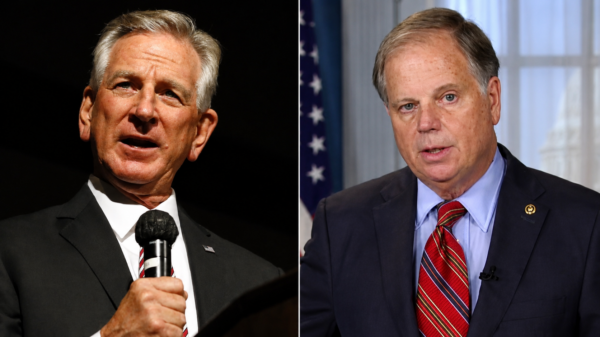
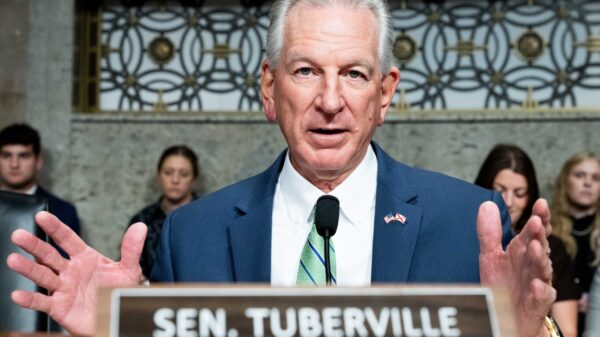
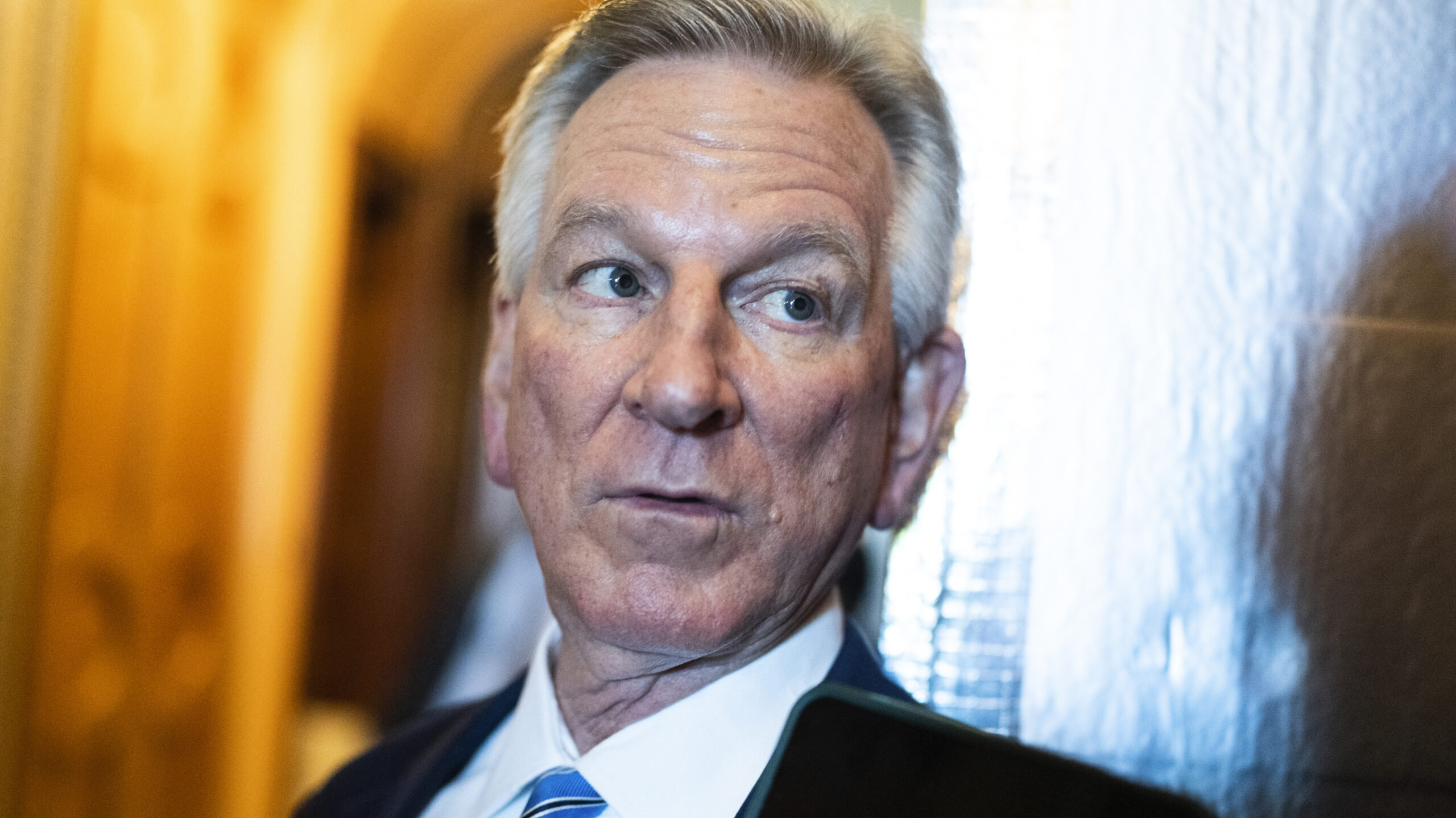
That appears to be the most pressing question related to the eligibility challenge filed against United States Senator Tommy Tuberville, the Republican nominee for governor. The case will see its first official court action Monday afternoon, when Montgomery County Circuit Judge Brooke Reid hears arguments from the two sides on motions to dismiss filed by the defendants.
In one sense, it does not really matter what Reid rules because the losing party will appeal. Of course, if the challengers lose, it would be extremely unlikely that the Supreme Court would reverse that ruling.
Attorney Barry Ragsdale, who is representing the challengers, Brooke Lynn Dorgan and Justin Jude LeBlanc, said during an interview on the Alabama Politics This Week podcast that he was confident Reid would deny the motions to dismiss and move the case into the discovery phase. He was less sure of what the all-Republican Supreme Court would do, although he said he was not questioning the justices’ devotion to the law over politics.
“I’m comfortable in our legal position,” Ragsdale said. “I’ve been contemplating and working on this lawsuit for a while. I have filed quo warranto proceedings before, and gotten folks disqualified before in Montgomery County before, so I’ve been down this road enough to know that I think I’m right on the law.”
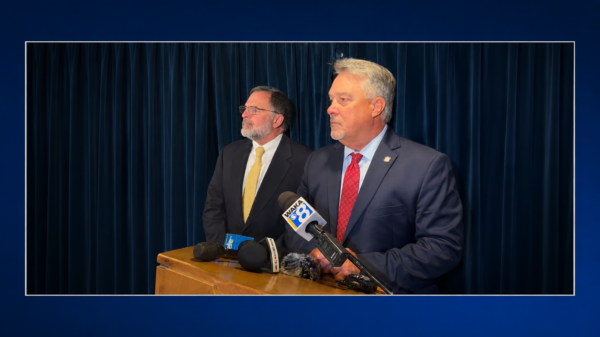
The core issues in the motions to dismiss filed by Tuberville’s team, led by prominent Montgomery defense attorney Joe Espy, are whether the quo warranto challenge filed by the defendants is allowable at this stage and whether Tuberville meets the definition of a state official governed by the quo warranto statutes.
Ragsdale believes the answer to both questions is yes. He said during the interview that he has challenged several candidates for office using quo warranto and successfully had them removed from the ballot.
However, Tuberville’s attorneys and the Alabama Attorney General’s Office, which is representing Secretary of State Wes Allen, who was named in his official capacity, argue that there is essentially no court able to hear the challenge. Instead, they argue that any challenge, even one based on the eligibility requirements laid out in the state constitution, should be decided by the respective political parties—through a qualification challenge and a post-nomination challenge—or by the Legislature through a post-election challenge.
“Here, at least two alternatives are plain, and either one forecloses the unprecedented equitable relief Plaintiffs seek here,” Allen’s motion to dismiss reads. “First, if Plaintiffs voted in the Republican Primary Election and were actually injured by Senator Tuberville’s status as the Republican gubernatorial nominee, then they should have filed a timely election contest after the Primary Election. Having sat on their rights, Plaintiffs are not entitled to the extraordinary and unprecedented relief they seek here to disqualify a party’s nominee by means other than a statutory election contest after a primary election.
“Second, if Plaintiffs simply don’t want Senator Tuberville to become Governor, then they should file a proper election contest in the correct forum after the General Election if he is declared the winner of that election.”
Should either the circuit court or Supreme Court agree with Allen’s motion, it would essentially establish that no court has authority to hear such election challenges. It would also ignore precedent set by previous cases in which challenges were heard by a variety of courts, including the Alabama Supreme Court, and candidates were removed from the ballot for failing to meet certain legal requirements.
It seems unlikely that a judge, much less several of them, would determine that questions of constitutional adherence are not to be adjudicated by a court of law. Ragsdale said he considered the argument and found it had little merit.
“Let me comment about the position taken by both Senator Tuberville and the attorney general,” Ragsdale said. “I call it the Goldilocks theory of jurisdiction, and that’s not really fair because at least with Goldilocks she found one that was just right. With these folks, there’s no opportunity to ever have a court interpret the Constitution. They take the position that you can’t file a challenge before the primary, because there’s no jurisdiction. And then you can’t file one after the primary, at least in court, because there’s no jurisdiction. And their position is after the general election, you can’t even go to court. You have to go to the Legislature.
“So, you know, it’s strange to me that the quo warranto statute expressly says the courts shall always be open to hear quo warranto actions. And Mr. Tuberville’s position is the courts are never open for this kind of proceeding. There is no opportunity for a court to ever interpret this constitutional provision. It basically only can be decided by Republicans, either in their state party or in the state Legislature. And I just don’t think that’s the law. It’s probably what they would like the law to be, but it’s not the law.”
Ragsdale said he believes the Alabama Supreme Court will ultimately make the right call, even if the current court is not the one that makes it. He said he expects the current justices will recuse from hearing the case and that a specially appointed court, made up of retired judges from around the state, will hear the case and its various questions.
“What I think should play out when we get to the Supreme Court—most of those folks will have politicked with, hung around with, and buddied up with Senator Tuberville just because of the nature of elected Republican officials in this state. I think that court ought to recuse itself and have a special court appointed,” Ragsdale said.
While that might sound strange, it is not terribly unusual. Justices often recuse from cases involving other politicians and state officials, and there have been numerous instances in which the entire court has recused. One of the most notable instances occurred during the trial of former Alabama Chief Justice Roy Moore.
As a whole, however, the case is rare. The front-runner for governor is facing serious questions of residency and eligibility, all of it playing out in courtrooms, with unusual circumstances, complicated legal questions and enormous political pressure. And all of it comes with the state’s top elected position hanging in the balance.
In the end, it all relies on what the Alabama Supreme Court does.