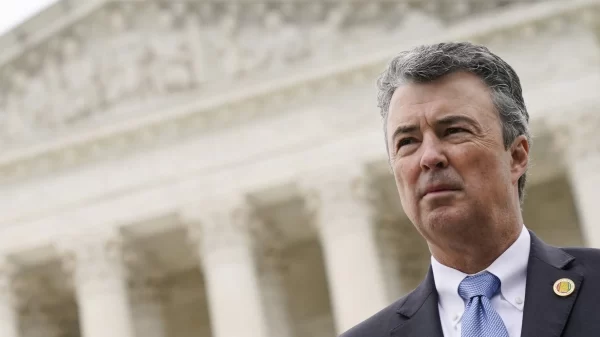






























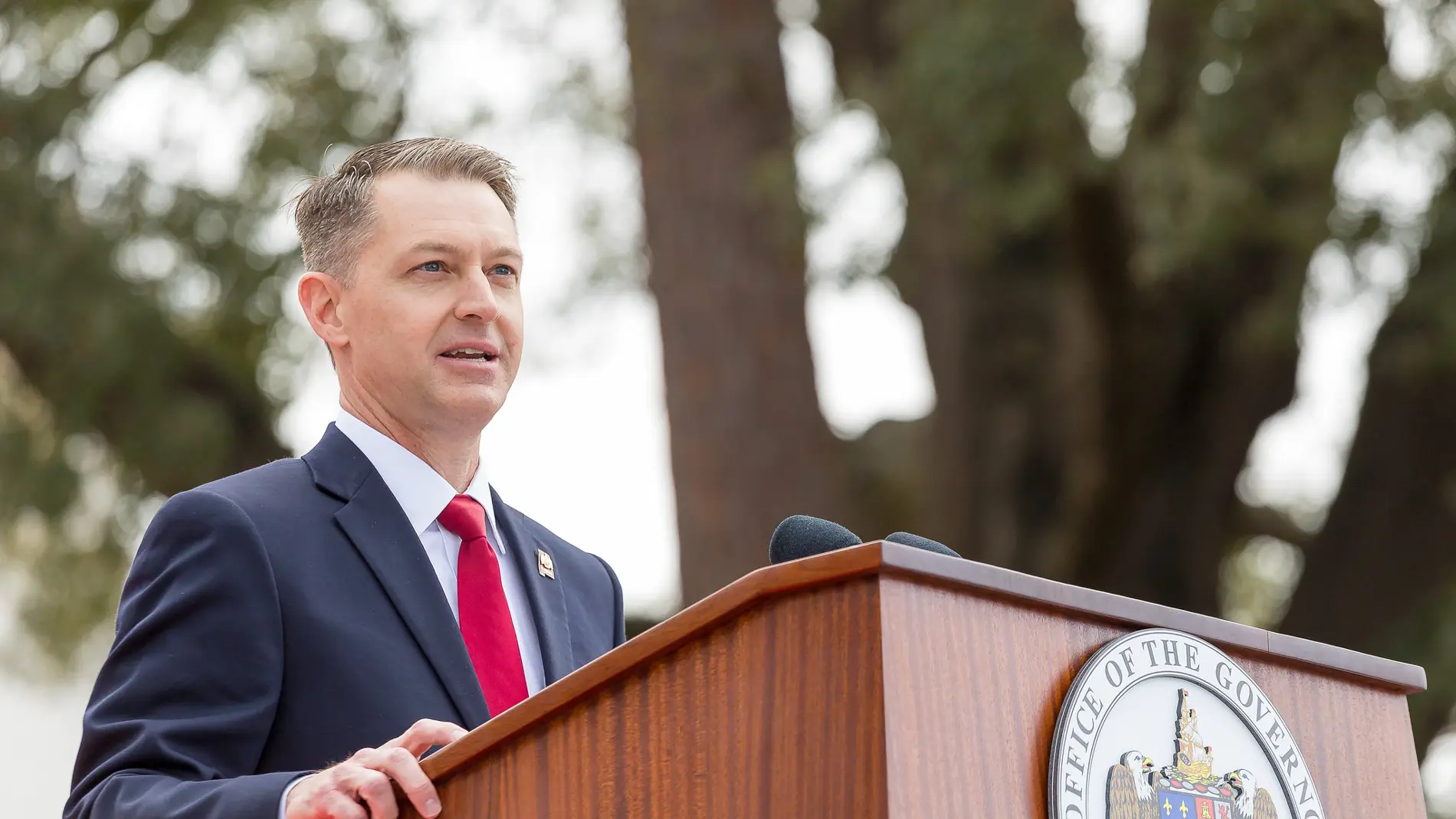
Alabama Secretary of State Wes Allen on Tuesday praised the U.S. Department of the Treasury’s release of a final rule removing Beneficial Ownership Information reporting requirements for U.S. businesses.
The Treasury Department’s Financial Crimes Enforcement Network, or FinCEN, last week issued a final rule permanently revoking the requirement for U.S. persons and companies to report beneficial ownership information to FinCEN under the 2021 Corporate Transparency Act.
The BOI reporting requirements took effect in 2024, requiring businesses to report information about their beneficial owners to FinCEN. Beneficial owners generally included individuals who directly or indirectly owned at least 25 percent of a company or exercised substantial control over the company.
FinCEN adopted an interim rule last March, preliminarily limiting BOI reporting requirements to foreign entities. FinCEN made the reform permanent by publishing the final rule last Friday.
“As Secretary of State, I have advocated for Alabama’s small business owners, and I am proud of the work we have accomplished. I firmly believe in cutting government red tape where we find it,” Allen said in a Tuesday written statement. “From championing legislation to remove costly business filing requirements to pressing the federal government to do the same, I have shown my support for Alabama business.”
BOI filings made directly through FinCEN’s portal are free of charge. However, certified public accountants charge rates typically ranging from $50 to $600 to prepare BOI reports.
Allen, last February, signed a joint letter alongside 19 other Republican secretaries of state urging the president to repeal the CTA. The signers argued that BOI reporting requirements imposed unnecessary financial burdens on small businesses.
“The requirements of the CTA punish legitimate small business owners and allow bad actors to slip through loopholes unscathed,” Allen said. “Hardworking men and women across Alabama and the country have been unnecessarily burdened in their pursuit of the American Dream for too long. This is no way to encourage growth of the business community or the wellbeing of our economy. I, along with 19 other Secretaries of State, am fighting for this to end now.”
U.S. Senator Tommy Tuberville, R-Alabama, filed the Senate version of a bill titled the Repealing Big Brother Overreach Act, which would have repealed the CTA—legislation Allen called on Congress to pass. The bill and its House companion never advanced out of their committees of origin.
Certain foreign entities will still be required to report beneficial ownership information to FinCEN. Under the new rule, foreign companies will no longer be required to report Americans who helped them register to do business in the U.S. Additionally, foreign pooled investment vehicles registered in the U.S. will no longer face BOI reporting requirements for U.S. individuals in control of the entity.
FinCEN’s permanent rule received support from U.S. Treasury Secretary Scott Bessent and the Alabama chapter of the National Association of Small Businesses.
Supporters of the revoked reporting requirements, however, have argued that the repeal will hinder law enforcement inquiries into financial crimes.
Representatives of the Foundation for Defense of Democracies filed a public comment opposing the proposal to reverse the requirements.
“The agency’s BOI database would include only foreign reporting companies—and, of those, only ones that are not owned by U.S. persons,” Elaine Dezenski and Josh Birenbaum wrote of the now-permanent shift in how FinCEN handles its BOI database. “It may capture some information relevant to foreign corruption cases, but that would be of minimal use in detecting or prosecuting the majority of real-world abuses that law enforcement currently faces.”
Lawmakers including U.S. Senator Elizabeth Warren, D-Massachusetts; U.S. Senator Chuck Grassley, R-Iowa; and U.S. Senator Sheldon Whitehouse, D-Rhode Island, have voiced opposition to the rule change. All three have also argued that the final rule will make it harder for law enforcement to track shell companies associated with criminal enterprises and foreign entities.
“The Treasury Department’s final rule exempting U.S. based companies from the Corporate Transparency Act’s reporting requirements undermines the clear intent of the law,” Grassley and Whitehouse said in a joint statement.
“The Act gave the federal government needed tools to address criminal activity like human trafficking, terrorist financing, drug distribution, sanctions evasion and more without unduly burdening legitimate commercial entities,” the senators stated. “This decision is an unfortunate one that fails to use all available tools to protect Americans and crack down on illicit financial schemes.”