





















After more than four decades in the Alabama Legislature, I’ve learned that the biggest proposals are often accompanied by the biggest promises.
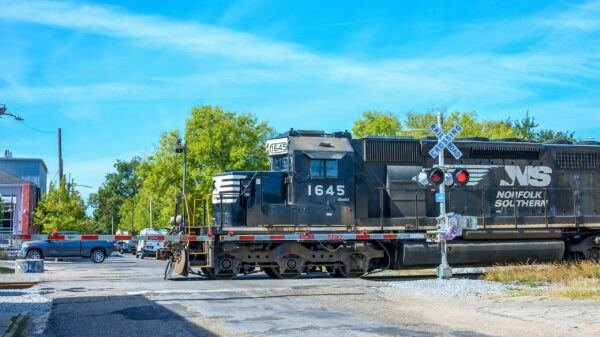
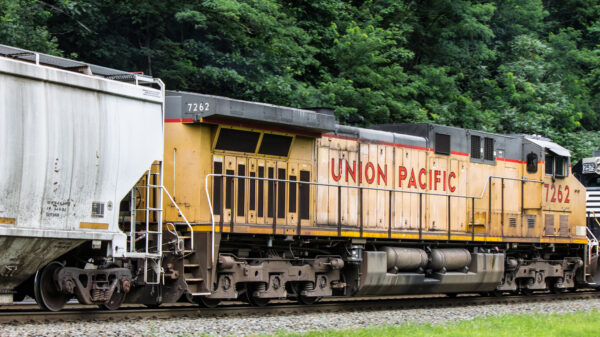
That’s certainly true of the proposed merger between Union Pacific and Norfolk Southern.
Supporters describe it as a once-in-a-generation opportunity that will improve service, strengthen supply chains and create new opportunities for customers.
Maybe they’re right.
But if that’s the case, they should be able to prove it.
So far, they haven’t.
North Alabama depends on a freight rail system that works. Manufacturers across Madison and Limestone counties rely on dependable rail service to keep production moving. Farmers depend on competitive shipping options to get their products to market. When rail service suffers or competition declines, Alabama businesses pay the price.
That’s why this merger deserves more than optimistic forecasts and corporate assurances.
It deserves tough questions.
The Surface Transportation Board has already required Union Pacific and Norfolk Southern to revise their application because key information was missing. Even after submitting it, regulators continued asking for additional information before allowing the review process to move forward.
That should concern everyone with a stake in Alabama’s economy.
If the companies can’t fully answer regulators’ questions on paper, why should anyone assume they’ll deliver on the promises they’re making today?
History gives us another reason to be cautious.
The railroad industry has made ambitious promises before. Previous mergers were expected to produce transformational improvements in service and efficiency. The results have often fallen short of those expectations.
Now we’re being asked to believe this merger will deliver benefits on an even larger scale.
Perhaps it will.
But experience tells me that projections are easy.
Performance is harder.
Another concern is competition.
The larger the railroad, the fewer choices many customers have when problems arise. Less competition can mean higher shipping costs, reduced flexibility and fewer alternatives for businesses that depend on reliable transportation. Those aren’t just business concerns. They’re economic concerns for communities across Alabama.
The companies insist they have safeguards in place to address those issues.
I hope they’re right.
But hope isn’t a regulatory standard.
Neither are promises.
Before regulators approve one of the largest railroad mergers in American history, they should insist on evidence that the merger will preserve competition, improve service and protect the customers who depend on the nation’s freight rail system every day.
That’s not an unreasonable expectation.
It’s exactly what the public should expect.
This isn’t about opposing growth or standing in the way of private investment.
It’s about recognizing that mergers of this size reshape markets for decades.
Once they’re approved, there is no easy way to reverse course if the promises don’t materialize.
That’s why the burden belongs where it should, with the companies asking for approval.
After more than forty years in public service, I’ve learned that trust is earned.
Union Pacific and Norfolk Southern still have more work to do before they’ve earned mine.