















Limestone and Lauderdale counties are home to limestone-derived soils just north of the Tennessee River. Row crops like soybeans, cotton and corn flourish in the red, clayey soils of the valleys, while the gravelly composition of the uplands is conducive to significant poultry and egg production.
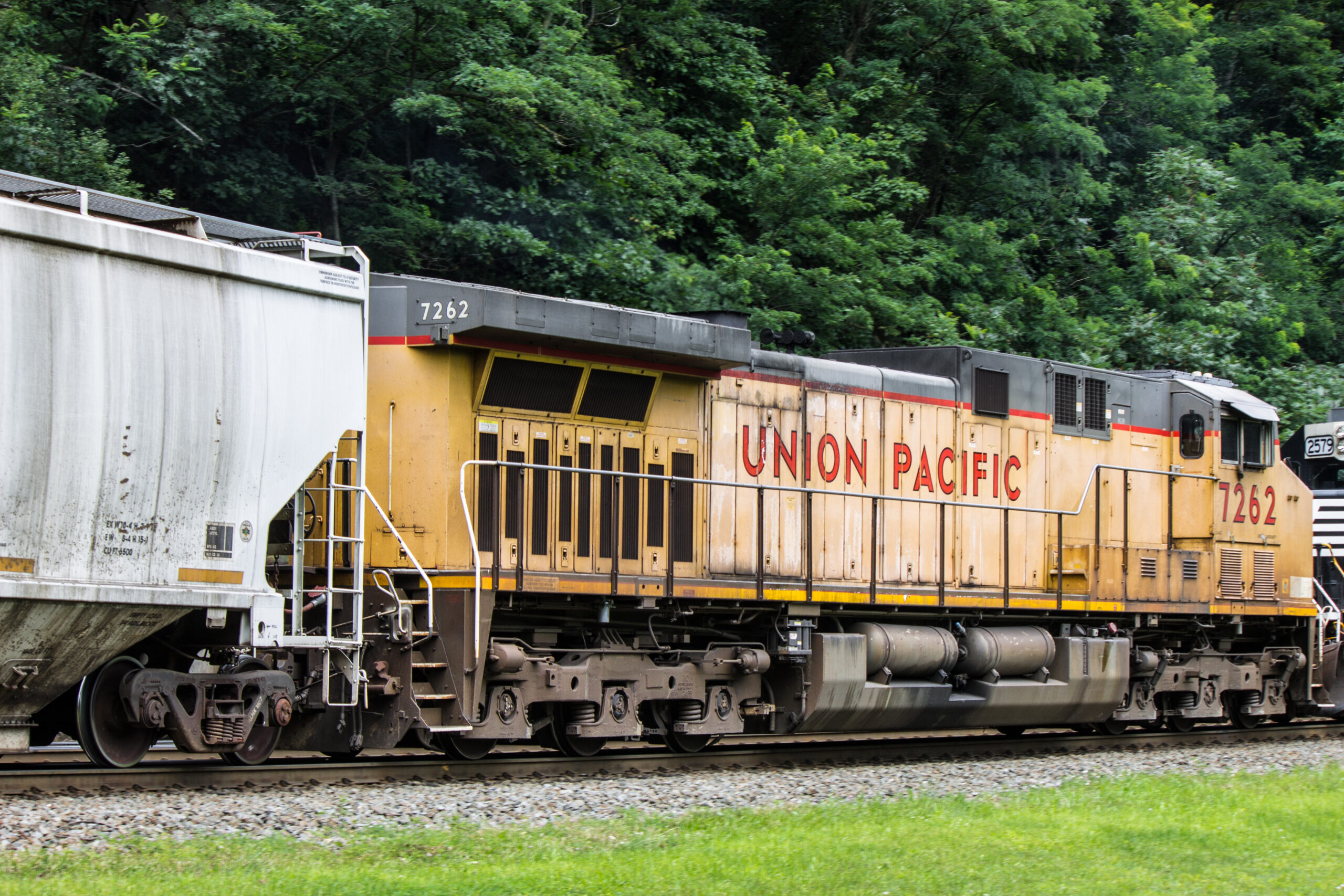
Alabama’s competitive rail system provides agricultural laborers with cost-effective choices to move goods to the Port of Mobile, which is a gateway to participation in the global commodity market. However, a proposed rail merger between Union Pacific and Norfolk Southern would cause cost increases that foundationally alter our farmers’ operations.
I joined the state legislature to serve in the best interest of my constituents and have consistently championed policies that support farmers and manufacturers. Their success is vital to the success of the entire state—when they are thriving, so are the rest of us. UP and NS are causing significant concerns for constituents and policymakers alike. They want to take power over nearly half the nation’s freight rail to “enhance efficiencies,” but have failed to consider how farmers and entire economies could be hurt in the process.
Rural, Northern Alabama sits along NS routes that would transition to merged control with UP if the $85 billion dollar deal is approved by the Surface Transportation Board, STB. Just two years ago, NS strategically invested more than $200 million in the 3B Corridor which connects markets in the north to the Port of Mobile. Why, after such strategic commitment to our community, are they now turning their backs on the very farmers that keep them in business?
The American Farm Bureau is staunchly opposed to the consolidation because it would reduce shippers’ bargaining leverage and cause transportation disruptions that farmers cannot afford. This would leave large portions of the country dependent on one railroad for end-to-end service, eliminating interchange points where shippers previously held the power of choice.
The inelastic nature of the railroad system will take no mercy on our vulnerable farmers. When rates rise, they will have no choice but to absorb higher costs. And it’s not just farmers who will suffer. Higher rates due to a lack of competitive discipline will plague grocery, energy and housing prices as well.
The STB initially rejected the merger application as incomplete because UP and NS omitted key information. It was good news at the time, but the companies will file a new application in the coming weeks. As this process moves forward, the STB has a duty to ensure the transaction will serve the public interest by enhancing competition and improving service. As they review, regulators should prioritize farmers and protect them from the very type of consolidation that decades of antitrust actions have sought to minimize.
Take it from me—a Limestone County native, through and through. A rail merger of this size will cause considerable damage to our communities if the STB fails to hold this merger to the highest possible standard. We must keep our freight rail system competitive so hardworking Alabama farmers can continue participating in the global export economy. We’re counting on regulators to put these interests ahead of corporate shareholders.