










Farming in Alabama is a tight-margin business. One unexpected cost increase can be the difference between staying afloat and shutting down. That’s why farmers depend on a freight rail system they can count on to move crops efficiently and affordably.
From cotton and corn to poultry, livestock and peanuts, farmers across the state rely on rail connections to reach the Port of Mobile and compete in global markets. That system has helped make the Port of Mobile a cornerstone of Alabama’s economy, supporting billions in economic activity each year.
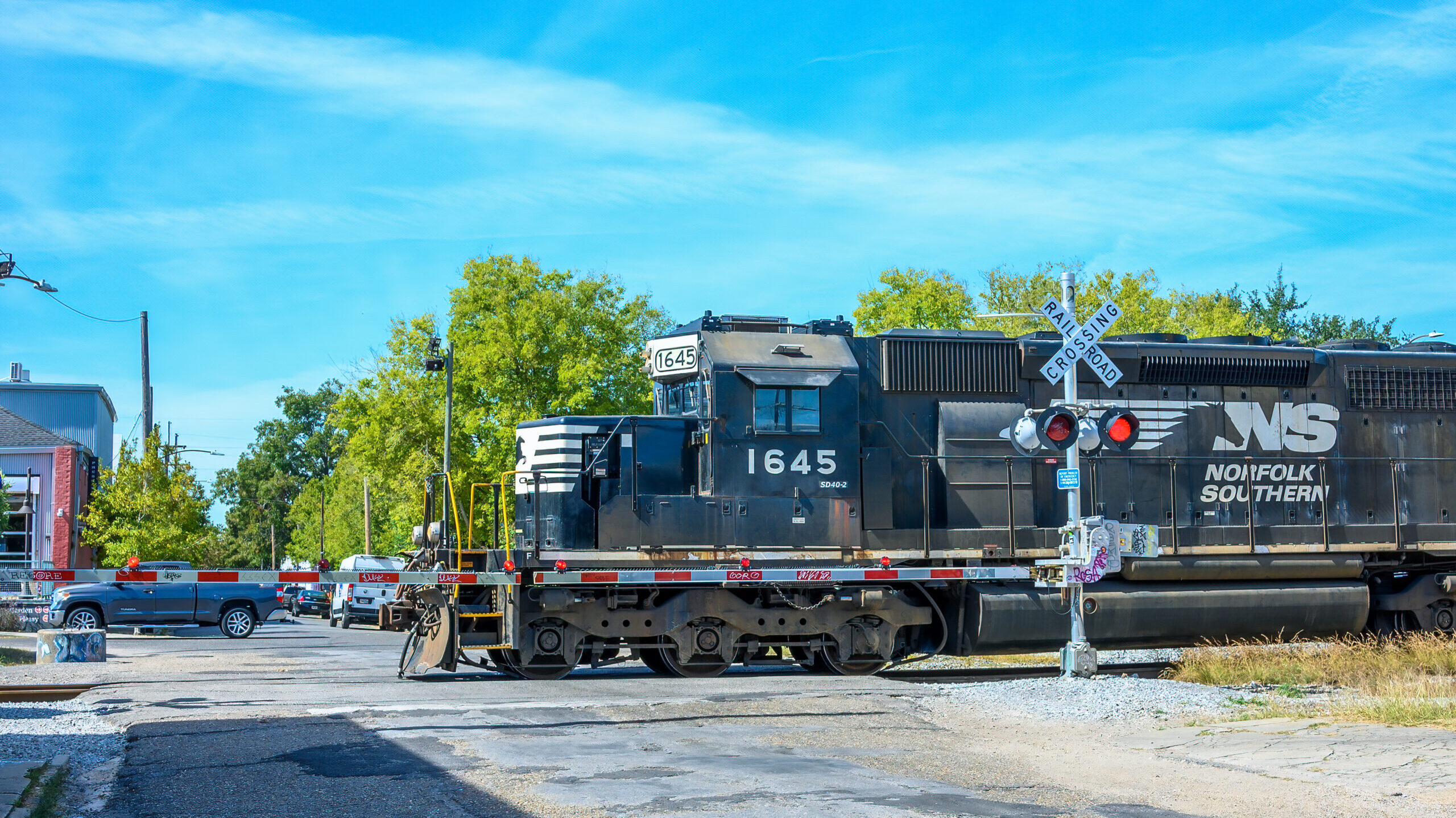
Union Pacific (UP) and Norfolk Southern (NS) are now proposing an $85 billion rail merger that would fundamentally threaten this economic power. If the application is approved, the two railroads would control nearly half of the nation’s freight rail system. In Alabama, over a thousand miles of NS track would transition to merged control with UP, eliminating key interchange points and reducing shippers’ bargaining leverage where they once held the power of choice.
The American Farm Bureau Federation recently opposed the rail merger, pointing out the inelasticity of rail demand. It’s basic supply-and-demand—when competition consolidates supply, costs rise. But freight rail transportation is critical to the operations of Alabaman farmers, and they will have no choice but to absorb higher costs. Over time, those rising costs could become unsustainable, forcing many producers out of the market altogether.
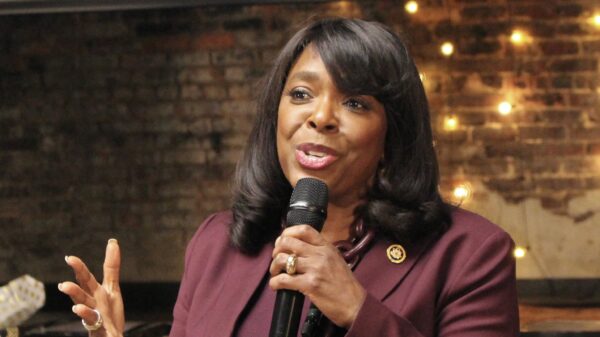
Our own District 37 is no exception. In true Alabaman spirit, the farmers I represent in Lee County, Randolph County and Chambers County have persevered against immeasurable odds to sustain crop production. In 1911, when the Mexican boll weevil wreaked havoc on cotton crops that had kept farmers in business for a century, they did not back down. Instead, they innovated—and over 100 years later, peanuts, which thrive in soils depleted by cotton cultivation, are the second-largest crop in Alabama.
Alabama’s farmers have proven they can overcome droughts, pests and shifting markets. But a rail merger that reduces competition and drives up transportation costs presents a different kind of threat. Farmers cannot innovate their way around monopolistic pricing or unreliable freight service. Without meaningful competition in rail transportation, many family farms operating on tight margins could be pushed out of business entirely.
The history of rail consolidation proves the point further: After every rail merger, farmers suffer so Wall Street shareholders can profit.
The Surface Transportation Board (STB) originally rejected the merger application as incomplete and asked the companies to address the inevitable lack of competitive discipline, rising costs, and safety risks. But UP and NS recently refiled, and those critical concerns have yet to be addressed.
Right now, Alabama’s economic future hangs in the balance because our farmers are operating on razor-thin margins. One cost increase or service disruption can force them out of business entirely. That means higher grocery, energy and housing costs for the entire state.
With concern for the livelihood of my constituents, I urge the STB to ensure that any decision on this merger protects competition, preserves reliable service, and does not leave farmers with fewer options and higher costs. Alabama’s farmers deserve a freight rail network built on competition and accountability—not corporate greed.