














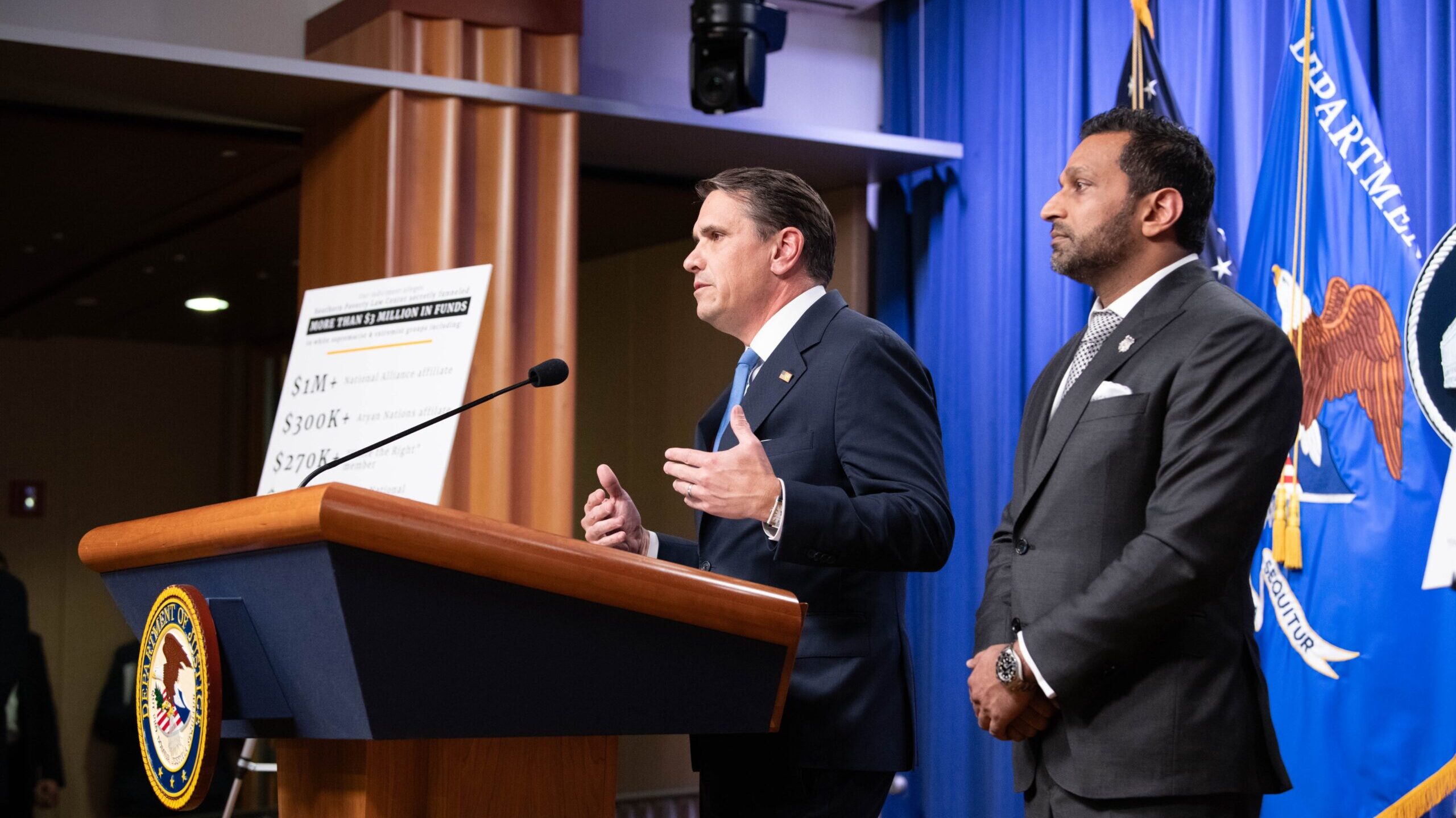
A federal grand jury on Tuesday returned 11 indictments against the Southern Poverty Law Center in a case based on the organization’s hiring of paid informants within extremist groups.
The indictments allege that SPLC committed wire fraud, made false statements to a federally insured bank and committed conspiracy to conceal money laundering to obfuscate payments to informants.
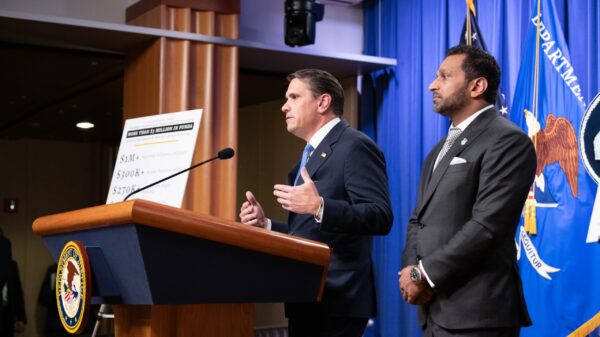
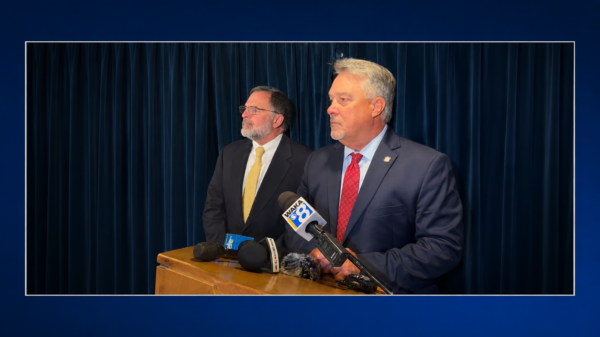
Acting Attorney General Todd Blanche went further and accused the anti-extremism group of actually funding the groups it targets in an effort to create strife.
“The SPLC is manufacturing racism to justify its existence,” Blanche said. “Using donor money to allegedly profit off Klansmen cannot go unchecked. This Department of Justice will hold the SPLC and every other fraudulent organization operating with the same deceptive playbook accountable. No entity is above the law.”
The SPLC called those allegations false and is defending itself against the claims.
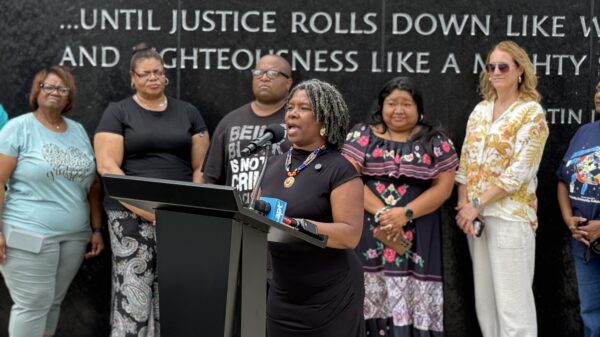
“Taking on violent hate and extremist groups is among the most dangerous work there is, and we believe it is also among the most important work we do,” interim CEO and president Bryan Fair said in a statement. “The actions by the DOJ will not shake our resolve to fight for justice and ensure the promise of the Civil Rights Movement becomes a reality for all.”
The informant program dates back to the 80s and has since been disbanded. The SPLC contends the program helped the group track threats of violence, with the organization often telling police of what it learned.
In order to maintain the secrecy of their informants within those groups, prosecutors allege SPLC created bank accounts for fictitious entities, misleading donors about where their funds were actually going.
“Donors gave their money believing they were supporting the fight against violent extremism,” said Acting United States Attorney Kevin Davidson. “As alleged, the SPLC instead diverted a portion of those funds to benefit individuals and groups they claimed to oppose. That kind of deception undermines public trust and social cohesion.”
SPLC argues that it concealed the flow of money to keep informants safe.
“When we began working with informants, we were living in the shadow of the height of the Civil Rights Movement, which had seen bombings at churches, state-sponsored violence against demonstrators, and the murders of activists that went unanswered by the justice system,” Fair said. “There is no question that what we learned from informants saved lives.”
The SPLC has come under scrutiny from Republicans under President Donald Trump, as numerous groups and organizations supportive of his administration are labeled as hate groups or extremists by the watchdog organization.
FBI Director Kash Patel last year cut ties with SPLC, which had historically cooperated with the FBI in investigations into extremism.