



















Americans may be losing faith in Washington, but they haven’t given up on their governors.
Across the country, voters are giving their state leaders marks that most federal officials can’t touch, a quiet but telling divide in how Americans view power close to home versus power in the capital.
According to new data from the Cook Political Report, most governors maintain positive approval ratings—often by double digits—making them among the most durable political figures in the country.
In Alabama, that pattern holds.
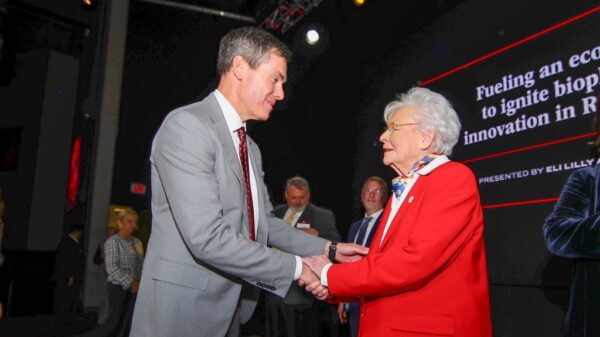
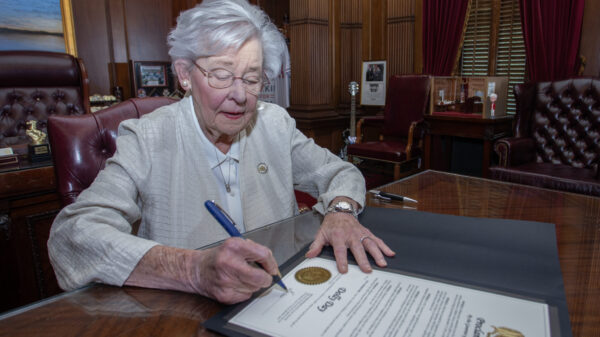
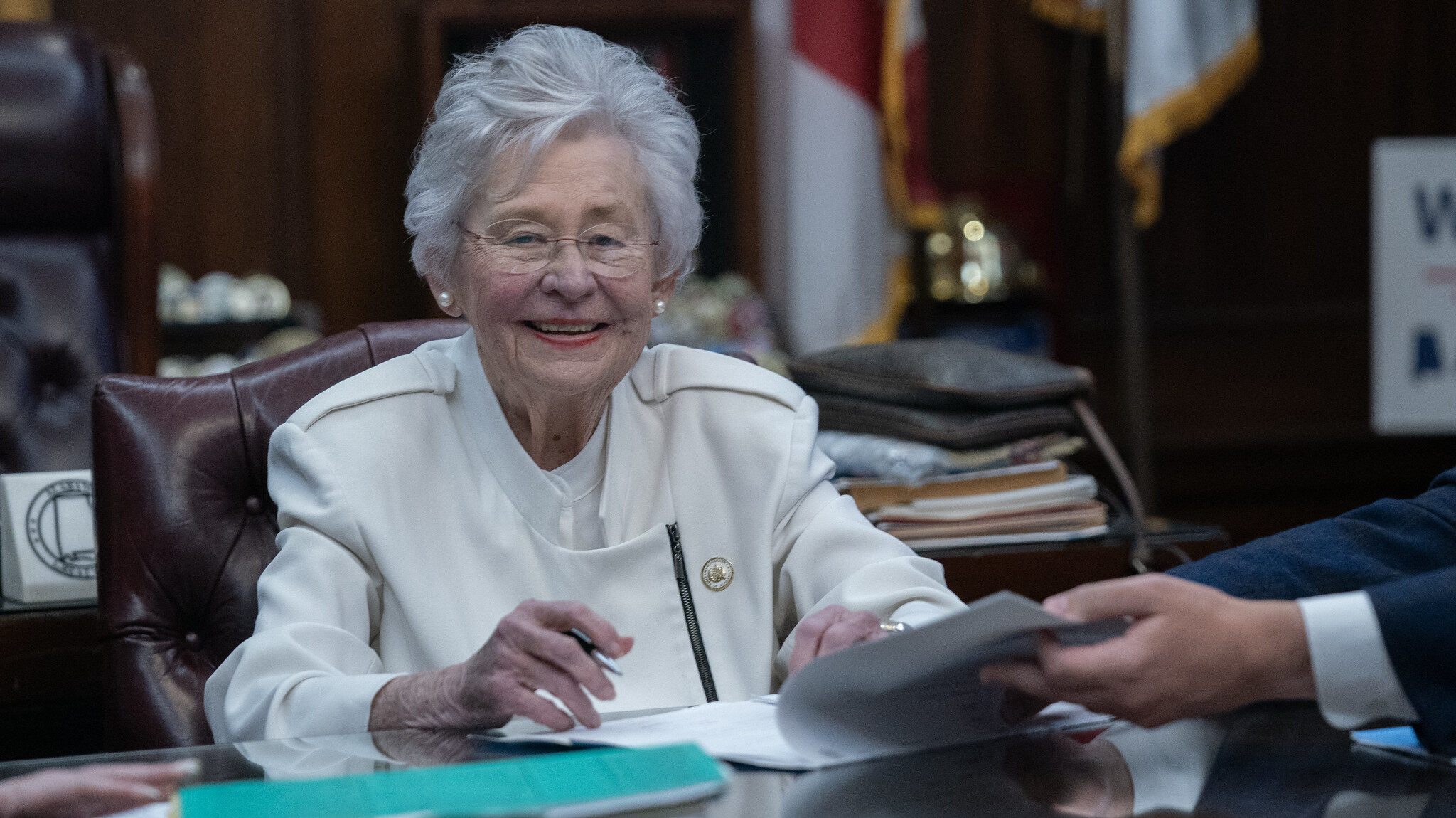
Governor Kay Ivey currently posts a 60 percent approval rating against 34 percent disapproval, a strong +26 margin that places her firmly in the upper tier of governors nationwide. In a political environment defined by division and declining trust, that level of support reflects a steadiness that has defined her time in office.
That support is a reflection of Ivey’s leadership—not simply the office she holds.
But her standing also comes at a moment of transition.
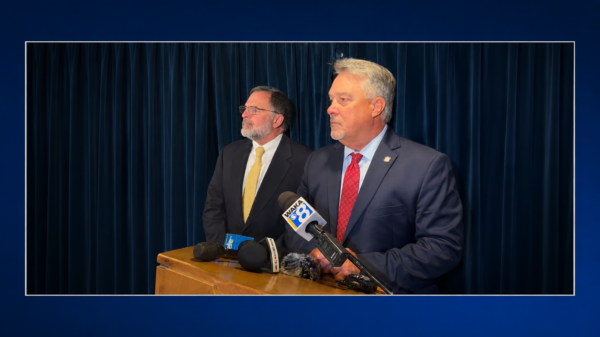
She is term-limited and will leave office in January 2027, closing out a period marked less by spectacle and more by continuity. And while her personal approval remains strong, there is little evidence—at least so far—that the same level of enthusiasm extends to the field looking to succeed her.
Incumbent governors build political goodwill over time—through familiarity, crisis management, and the simple advantage of being the known quantity. Successors, even within the same party, do not inherit that trust. They have to earn it.
Alabama remains firmly Republican, and the eventual GOP nominee will enter the general election with structural advantages. But strong partisan footing is not the same as energized support—and that difference could define the state’s next chapter.
Ivey’s approval numbers tell a clear story about the present. What they do not yet answer is whether that approval reflects a durable political coalition—or simply confidence in a familiar figure nearing the end of her time in office.
Popularity, in other words, is not transferable. And as Alabama begins to look beyond Ivey, that reality may matter more than anything else.