




















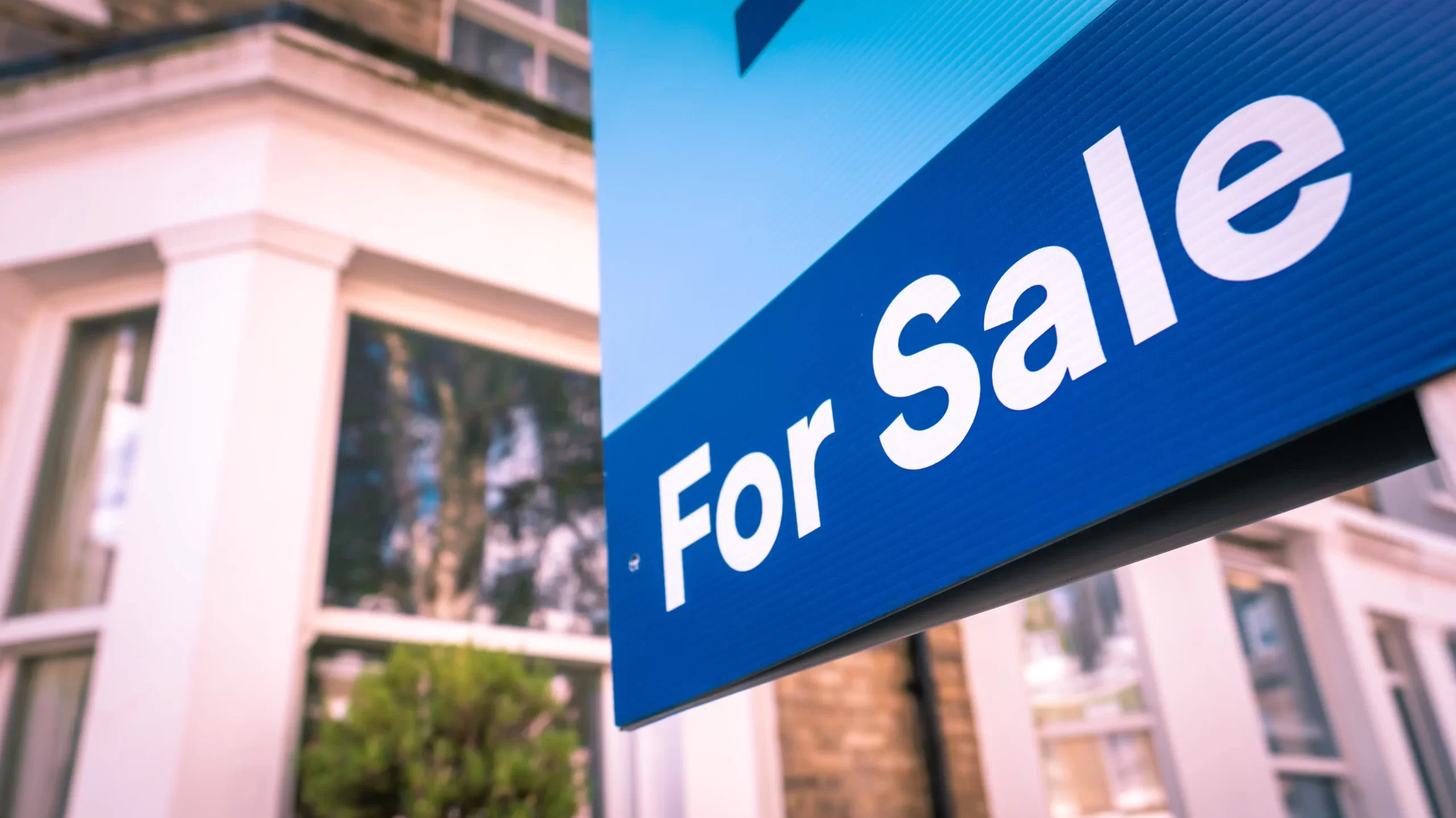
Despite rising interest rates, the start of the spring buying season pushed home sales up across Alabama in March, though sales continued to trail last year’s pace, according to the Alabama Economic and Real Estate Report released Monday by the Alabama Association of Realtors.
“Home sales were up month over month in March, increasing 8.2 percent, but they lagged the same period last year by 12.5 percent,” Alabama Realtors economist Evan Moore said. “Median home prices increased as well in both monthly and yearly measures, which is good news for homeowners because it represents continuing equity growth.”
The monthly report showed Alabama recorded 5,438 home sales in March, up 435 from February but down 776 from the same month a year earlier.
At the same time, Alabama’s median home price rose 4.8 percent from February and 20.8 percent from a year earlier, increasing by $45,139 to $262,009 in March.
Sold dollar volume in March—the combined sales price of all homes closed during the month—was $1.56 billion, up 9.1 percent from February but down 1.9 percent, or $30 million, from the same period last year.
Active listings totaled 20,355 at the end of March, up 10.5 percent from 18,415 a year earlier and up about 5.6 percent from 19,283 in February. Homes stayed on the market an average of 66 days, one day longer than in February and five days longer than a year earlier.
The average rate for a 30-year fixed mortgage was 6.18 percent in March, below the 40-year and 50-year averages of 6.52 percent and 7.17 percent, respectively, and a sign of a continuing return to normalcy. The increase during the month was the first since May 2025.
Housing supply stood at 5.3 months in March, up from 4.2 months at the same time in 2025 and slightly below February’s 5.4 months. Economists said the current figure reflects a balanced market that offers stability to buyers and sellers because inventory remains sufficient to meet demand.
Foreclosures rose 21.3 percent from February and 54.8 percent from a year earlier. Even with those increases, foreclosures remain historically low and have not returned to prepandemic levels recorded in 2018 and 2019. During the pandemic, a federal foreclosure moratorium delayed and suppressed foreclosure activity, contributing to today’s lower baseline. Economists said more bank-owned properties coming to market could create new opportunities for entry-level buyers and investors.
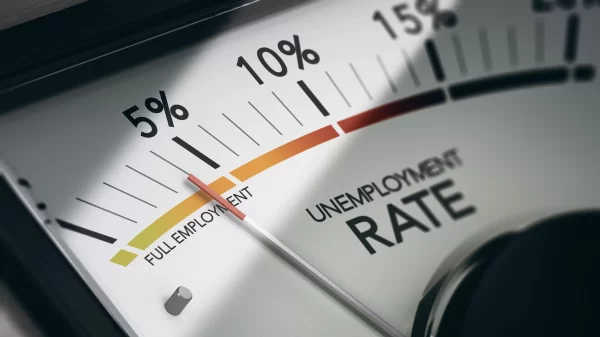
According to the latest figures available, Alabama’s unemployment rate was 2.7 percent in January, the third straight month at that level. It was the lowest rate since October 2023 and well below the national rate of 4.3 percent. March also marked the fifth consecutive month that the state’s unemployment rate remained below 3 percent.
The report’s forecast said national economic indicators that are softening consumer confidence, offset by a strong and stable state economy, will likely bring mixed news for Alabama’s housing market in the coming months.
“Sellers across Alabama continue to benefit from record-level equity and consistent price growth, while buyers are finding relief in the most diverse inventory landscape in several years,” Moore said. “The statewide market is on track to maintain its traditional seasonal upward trajectory, but it is likely to be more subdued than in previous years.”