
















Members of Alabama Arise wrapped up the 2026 Legislative Session with a virtual forum that mixed celebration with disappointments, as advocates reviewed what passed, what failed and what comes next.
The coalition, which includes more than 150 member groups and about 1,900 individual members, is member-led and focused on advancing public policies affecting Alabamians marginalized by poverty. Organizers reminded attendees that policy priorities are selected by members each year.
David Stout, legislative director, explained that the session did not unfold the way lawmakers initially intended. It was an election year, with primaries scheduled for May, and leadership had signaled a shorter, less controversial agenda. Instead, debates flared over “a menu of things that the majority wanted to pass for bragging rights.”
“We’ve worked hard to pass some serious measures among the controversies. We were able to work with staff and with other coalitions to pass some really good bills and stop some really bad bills,” Stout said.
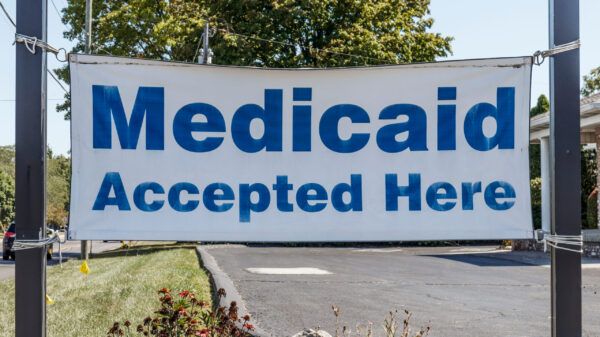
Health care remained a central focus. Debbie Smith, director of the Cover Alabama campaign, said Medicaid expansion remains a top priority but faces new financial hurdles tied to federal changes enacted last year in the One Big Beautiful Bill Act. Those changes included work requirements for expansion states and the loss of a $619 million federal incentive.
New research released this spring found that about 154,000 Alabamians could still gain coverage under expansion, even with work requirements in place. The analysis also projected roughly $181 million in potential state savings through shifting some enrollees to a higher federal match rate. Smith also pointed out that expansion would continue to benefit rural hospitals, uninsured veterans and maternal health outcomes, and said inaction would ultimately cost the state more.
Lawmakers did pass several health-related measures this year. House Bill 300, sponsored by Representative Frances Holk-Jones, R-Foley, requires insurers to cover follow-up diagnostic breast cancer screenings without additional cost-sharing. Senate Bill 19, sponsored by Senator Steve Livingston, R-Scottsboro, removes copays for certain prostate cancer screenings.
Bills addressing postpartum release for incarcerated women, insurance coverage for breast reconstruction following cancer treatment and protections for contraception and in-vitro fertilization, some goals Alabama Arise set for 2026, did not make it through this session.
On hunger policy, Latrell Clifford Wood, hunger policy advocate, touted securing continued funding for no-cost school breakfast programs. Lawmakers maintained $7.3 million in funding, extending a pilot that served over 2 million more breakfasts compared to the prior year. Summer EBT benefits will also continue.
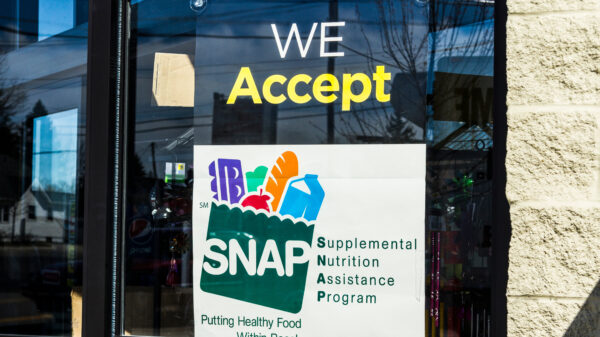
At the same time, Senate Bill 57, sponsored by Senator Arthur Orr, R-Decatur, restricts the purchase of soda and candy with SNAP benefits, which was passed and will take effect in 2027. Wood said they were able to narrow the bill’s scope and delay its implementation, but opposed it, arguing it places more burdens on small retailers and the Alabama Department of Human Resources without addressing broader access to healthy food.
Budget issues threaded through the discussion. Carol Gundlach, senior policy analyst, praised funding for the RAISE Act, which directs additional dollars to schools serving high concentrations of students in poverty, students with disabilities and English language learners; that funding increased to about $191 million. Meanwhile, the CHOOSE Act will see its funding go up from $180 million to $251.2 million.
Efforts to fully eliminate the state grocery tax did not advance. Instead, lawmakers approved a two-month grocery tax holiday in May and June, temporarily suspending the remaining 2 percent state sales tax on groceries.
“We see this as an opportunity to talk about how important untaxing groceries is, because we know that come July, they’re gonna start taxing groceries, state taxes on groceries again, at the 2 percent. So it’s a chance to talk about this issue,” said Gundlach
In the area of democracy and criminal justice, Dev Wakeley, worker policy advocate, discussed SB24, sponsored by Sen. Linda Coleman-Madison, D-Birmingham, requiring state agencies to post clearer information about the voting rights restoration process, which passed.
Lawmakers also approved SB240, sponsored by Sen. Will Barfoot, R-Pike Road, which allows virtual parole hearings and HB86, sponsored by Rep. Chris England, D-Tuscaloosa, which requires the parole board to consider an applicant’s educational attainment and work history while incarcerated.
“Up until now, the board has largely been able to just… eliminate the human consideration and the actual consideration of who’s applying, and just to sort of retry the case on the facts, as if nothing has changed decades later. This bill is going to help eliminate that problem,” said Wakeley.
Worker-focused legislation also failed to advance. HJR62, sponsored by Rep. Neil Rafferty, D-Birmingham, would have expressed legislative support for stronger protections and clearer pathways to permanent employment for temporary workers. SB22, introduced by Sen. Sam Givhan, R-Huntsville, sought to revoke state tax incentives from companies found to have violated child labor laws. Neither measure made it across the finish line this session.
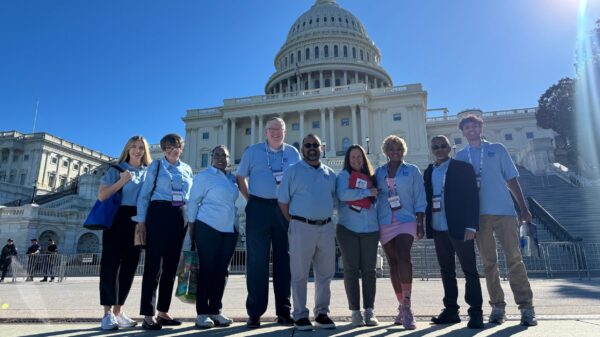
Stout credited member engagement with shaping outcomes. Alabama Arise reported more than 5,400 contacts with legislators during the session and roughly 300 participants in legislative advocacy events.
With primary elections approaching, leaders urged members to speak with candidates about the group’s priorities and to continue organizing ahead of the 2027 session.