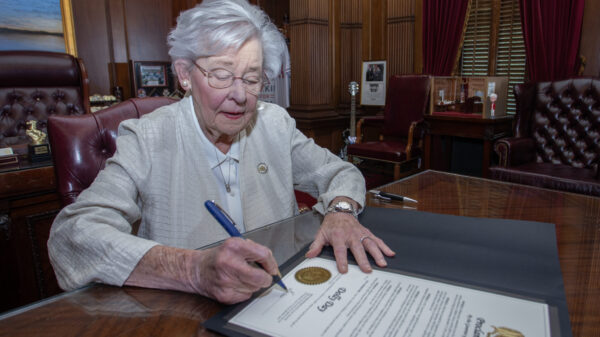














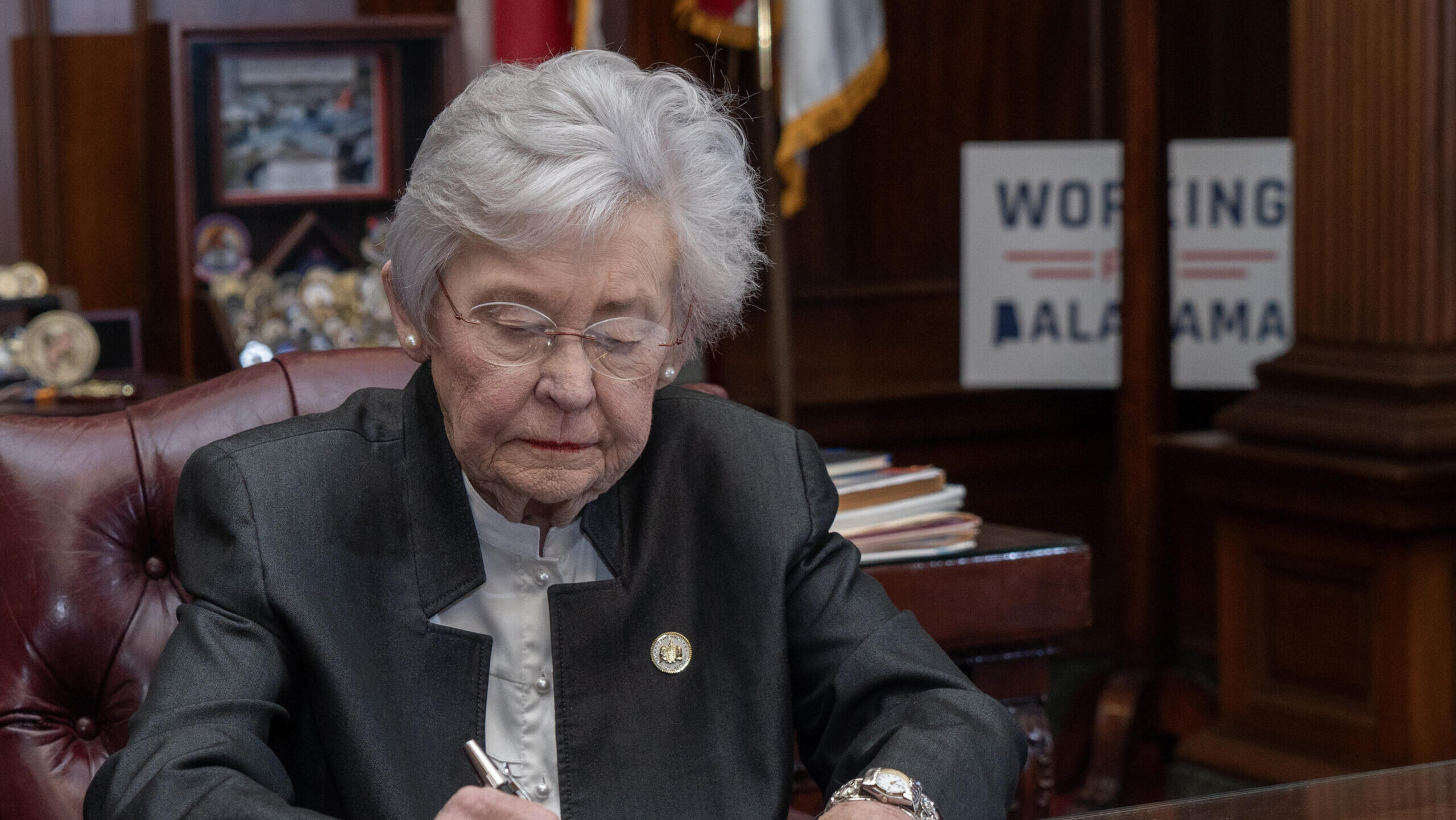
Alabama Governor Kay Ivey highlighted a slate of healthcare legislation from the 2026 legislative session on Wednesday that she has signed into law.
Ivey highlighted nine pieces of legislation aimed at improving healthcare access and delivery, which were passed during the 2026 legislative session, which ended last week.
The governor described the newly enacted measures, which range from Emergency Medical Services reforms to an attempt to restrict items eligible to be purchased with Supplemental Nutrition Assistance Program, or SNAP, benefits, as key healthcare priorities for her last year in office.
Ivey pointed to Alabama’s participation in the federal Rural Health Transformation Program established by the One Big Beautiful Bill Act. The state has received $203 million in funding for the first five years of participation in the program.
The newly signed laws, according to Ivey, are intended to work in conjunction with the program to improve healthcare delivery and access across the state.
“In December, I announced Alabama’s participation in a new Trump Administration program funded by the ‘One Big Beautiful Bill’ passed by Congress to expand rural healthcare delivery,” Ivey said. “Not wasting a moment, I worked with legislative leaders this session to remove legal barriers to ensure healthcare providers are able to work together to improve healthcare delivery in our rural areas.”
House Bill 605, sponsored by Rep. Jamie Kiel, R-Russellville, provides rural healthcare providers with limited immunity from state antitrust laws, outlining a state policy aimed at displacing competition when necessary to preserve access to care in rural communities.
“We have also freed first responders to deliver more life-saving services during ambulance calls, and we have joined other states in streamlining approval of out-of-state physician assistants to practice in Alabama,” the governor stated.
Senate Bill 269, sponsored by Senate Minority Leader Bobby Singleton, D-Greensboro, will authorize ambulance services to provide “treat in place” services, or basic life support to patients without transferring them to a medical facility. The legislation also raises minimum reimbursement rates for health insurers to EMS providers.
Supporters of the legislation, including representatives from local ambulance services, spoke in favor of the bill throughout the session, arguing it will help improve response times and EMS access in rural communities.
Meanwhile, SB269 faced opposition from the Alabama Farmers Federation’s ALFA Insurance, which argued the bill could lead to premium spikes for some Alabamians and would benefit urban areas more than the rural communities it seeks to target.
House Bill 156, sponsored by Rep. Paul Lee, R-Dothan, simplifies the license approval process for out-of-state physician assistants to practice in Alabama. The law makes Alabama the 24th U.S. state to join a national compact, which facilitates multi-state practices for PAs.
House Bill 116, sponsored by Rep. Ed Oliver, R-Dadeville, expands the state’s EMS training tuition by offering instruction at the Alabama Department of Public Health’s six regional EMS offices. Graduates of the program’s EMS training programs must undertake a two-year service commitment to qualify for tuition reimbursement.
House Bill 182, sponsored by Rep. TaShina Morris, R-Montgomery, also amends EMS licensing requirements by mandating that ADPH accept an applicant’s education, training or experience gained during U.S. military service as a credit toward meeting state EMS licensing requirements.
Senate Bill 57, sponsored by Sen. Arthur Orr, R-Decatur, requires the Alabama Department of Human Resources to request a waiver from the U.S. Department of Agriculture Food and Nutrition Service to exclude candy and sugar-sweetened sodas from purchases that may be made with SNAP benefits.
The USDA waiver program that SB57 seeks to utilize was established by the Trump administration to allow states “greater flexibility to manage their programs.”
Waivers have been approved restricting the purchase of soft drinks and certain food items through SNAP in 22 U.S. states.
Ivey described the legislation, which saw staunch opposition from multiple Democratic lawmakers during the session, as a means of encouraging healthy lifestyles among Alabama SNAP beneficiaries.
“We are promoting healthier diets for Alabama SNAP beneficiaries by restricting the purchase of sugary foods that contribute to obesity and diabetes,” the governor said.
“These efforts along with several other pieces of legislation lay a solid foundation as we partner with the Trump Administration in improving rural healthcare delivery to better meet the needs of the public,” the governor said of the signed bills.
Ivey also celebrated the enactment of legislation passed during the session that dismantles copays for certain cancer screenings.
House Bill 300, sponsored by Rep. Frances Holk-Jones, R-Foley, mandates that insurance providers must fully cover certain secondary breast examinations necessary to diagnose breast cancer.
Senate Bill 19, sponsored by Sen. Steve Livingston, R-Scottsboro, similarly removes cost-sharing requirements for prostate cancer screenings among high-risk men.
In an interview ahead of HB300’s signing, American Cancer Society Cancer Action Network Alabama Government Relations Director Jane Adams told APR the legislation will lead to greater access to cancer screenings, improving health outcomes for Alabamians by promoting early detection.
“We’re grateful for leadership for prioritizing these 2 important bills,” Adams said. “The governor has long been a supporter of access to cancer care, so we’re hopeful that she’ll sign these important pieces of legislation and continue to celebrate with us and strategize with us about how we can do more.”
Adams listed future ACS CAN legislative priorities as increasing the state’s tobacco taxes and seeking improvements to funding for the Alabama Breast Cancer and Cervical Cancer Early Detection Program, which currently receives $600,000 annually.
“We have one of the highest rates of cervical cancer in the country and not been very treatable, preventable disease, and so we’re always looking for increases in that funding and will be prioritizing that next session,” she said.
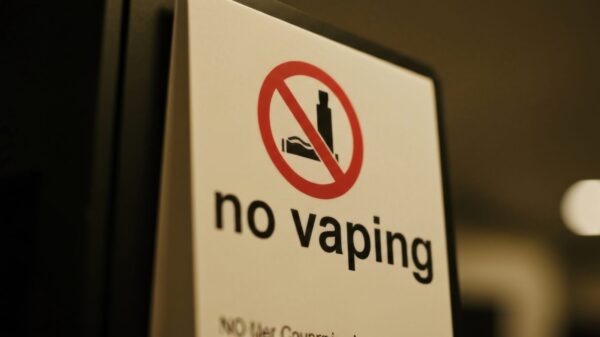
Also signed by Ivey was Senate Bill 9, sponsored by Sen. Gerald Allen, R-Cottondale, which adds a statewide prohibition on vaping to Alabama’s laws against smoking in enclosed public spaces.
HB605 took effect immediately with Ivey’s signature. All other pieces of healthcare legislation highlighted by the governor will take effect from Oct. 1, 2026, to Oct. 1, 2027.