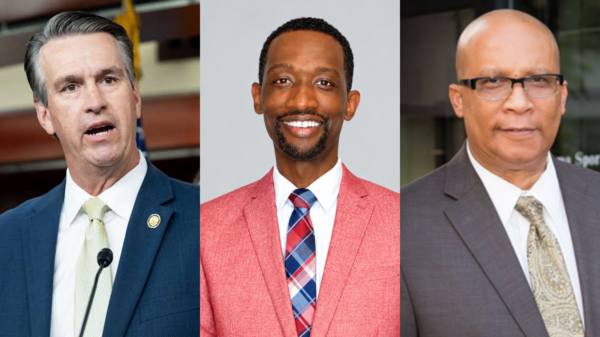


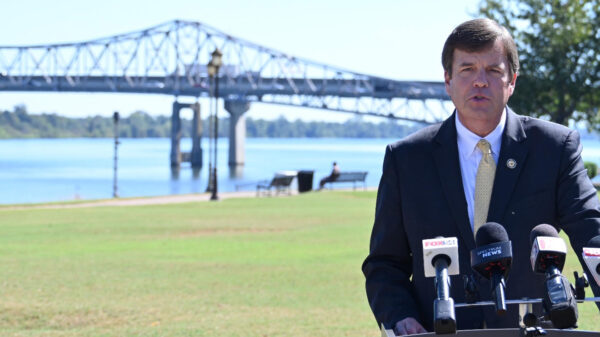






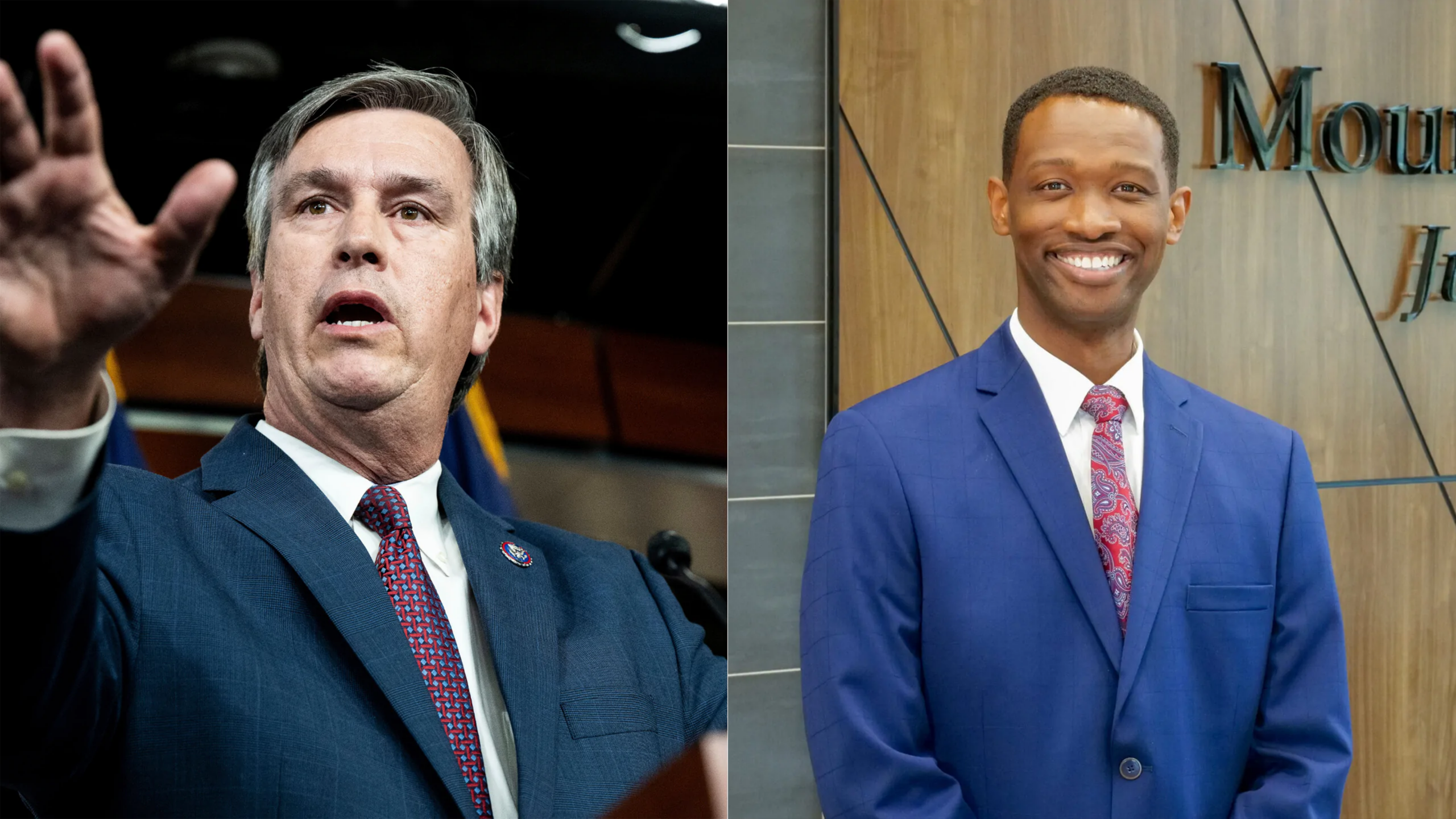
U.S. Representative Barry Moore, R-Alabama, is facing new criticism after it was recently revealed that the congressman received $6,600 in donations from billionaire Elon Musk last year before announcing his campaign for Alabama’s open U.S. Senate seat.
According to AL.com, Moore—who currently leads the GOP primary field in Alabama’s Senate race—received two donations from Musk in 2025 as Congress debated President Donald Trump’s “One Big Beautiful Bill,” which Musk opposed at the time. Moore went on to vote in favor of the bill in May 2025 after originally stating that he was “undecided” on the legislation.
Despite Musk’s public threat to fund primary challenges against any Republicans who voted in favor of the “One Big Beautiful Bill,” the billionaire does not appear to have donated to any of Moore’s opponents in the U.S. Senate contest.
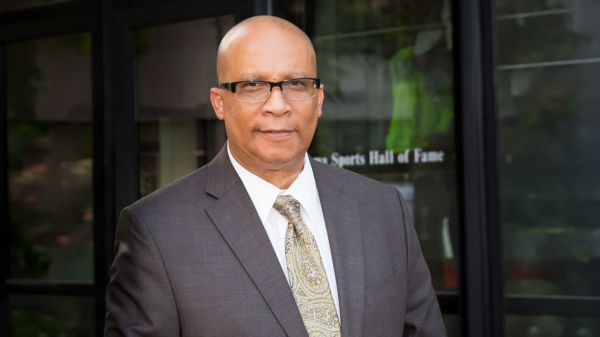
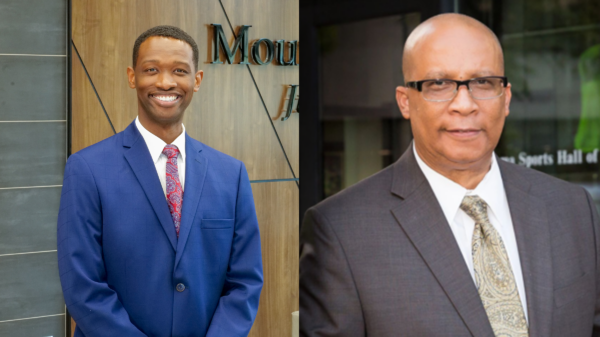
While the $6,600 Moore received was only a small fraction of Musk’s total political contributions in 2025, Craig Jelks—a local educator running as an independent for Senate—is now calling on Moore to return the donations while questioning the congressman’s loyalty to everyday Alabamians.
“I’m running for the United States Senate because I believe Alabama deserves leadership that answers to the people—not to wealthy donors, not to Washington insiders, and not to billionaires with their own agendas,” Jelks said in a press release issued Monday. “Recent reports confirm that Barry Moore accepted campaign contributions from Elon Musk, the world’s richest man. That raises a simple but serious question: who is Barry Moore accountable to when it matters?”
Jelks is now calling on Moore to “return those donations immediately,” arguing that the contributions are representative of a “broken system where political influence is too often shaped by money instead of the voices of everyday Alabamians.”
“When billionaires invest in politicians, they don’t do it out of charity—they do it because they expect access, attention, or alignment,” Jelks continued.
Jelks went on to contrast Musk’s donations to Moore’s campaign with his own political philosophy.
“Let me be clear about where I stand: I am not for sale. I am not backed by billionaire donors, and I do not answer to outside interests trying to shape Alabama’s future from afar,” Jelks stated. “My loyalty is to the people of this state—and only to them.”
“Barry Moore can accept money from the world’s richest man. But Alabama cannot afford a Senate seat that comes with strings attached,” he added. “This campaign is about restoring accountability. If you serve the people, you should be funded by the people—and answerable only to them.”
Jelks ended his statement by again demanding that Moore return the donations to show the people of Alabama that his priorities are not solely tied to the “interests of powerful individuals who can afford to buy influence anywhere in the country.”
APR also reached out to several of the other candidates running for Alabama’s open U.S. Senate seat as to how they view Musk’s contributions to Moore.
In a written response, Democratic candidate Dakarai Larriett noted that such contributions are commonplace in the modern electoral landscape, but argued that Alabamians should focus on electing candidates who seek to reform campaign finance law to reduce the influence of money in American politics.
“Most federal candidates rely on out-of-state donations for their campaigns,” Larriett told APR. “We must prioritize electing leaders dedicated to overturning Citizens United and eliminating the influence of money in politics; nothing will change until we do.”
Larriett also noted how Musk’s campaign contributions have recently backfired—most notably in the case of Brad Schimel, who lost a 2025 Wisconsin Supreme Court race by ten points despite a $25 million investment from Musk.
“Elon Musk’s campaign contributions have been accompanied by a series of spectacular defeats over the past year, including the loss of Wisconsin Supreme Court candidate Brad Schimel,” Larriett added. “I’m looking forward to going head-to-head with Barry Moore this November!”
Moore’s campaign did not immediately respond to APR’s request for comment.