










Until this month, small businesses and other merchants in Alabama had to pay sales tax on money that didn’t actually belong to them.
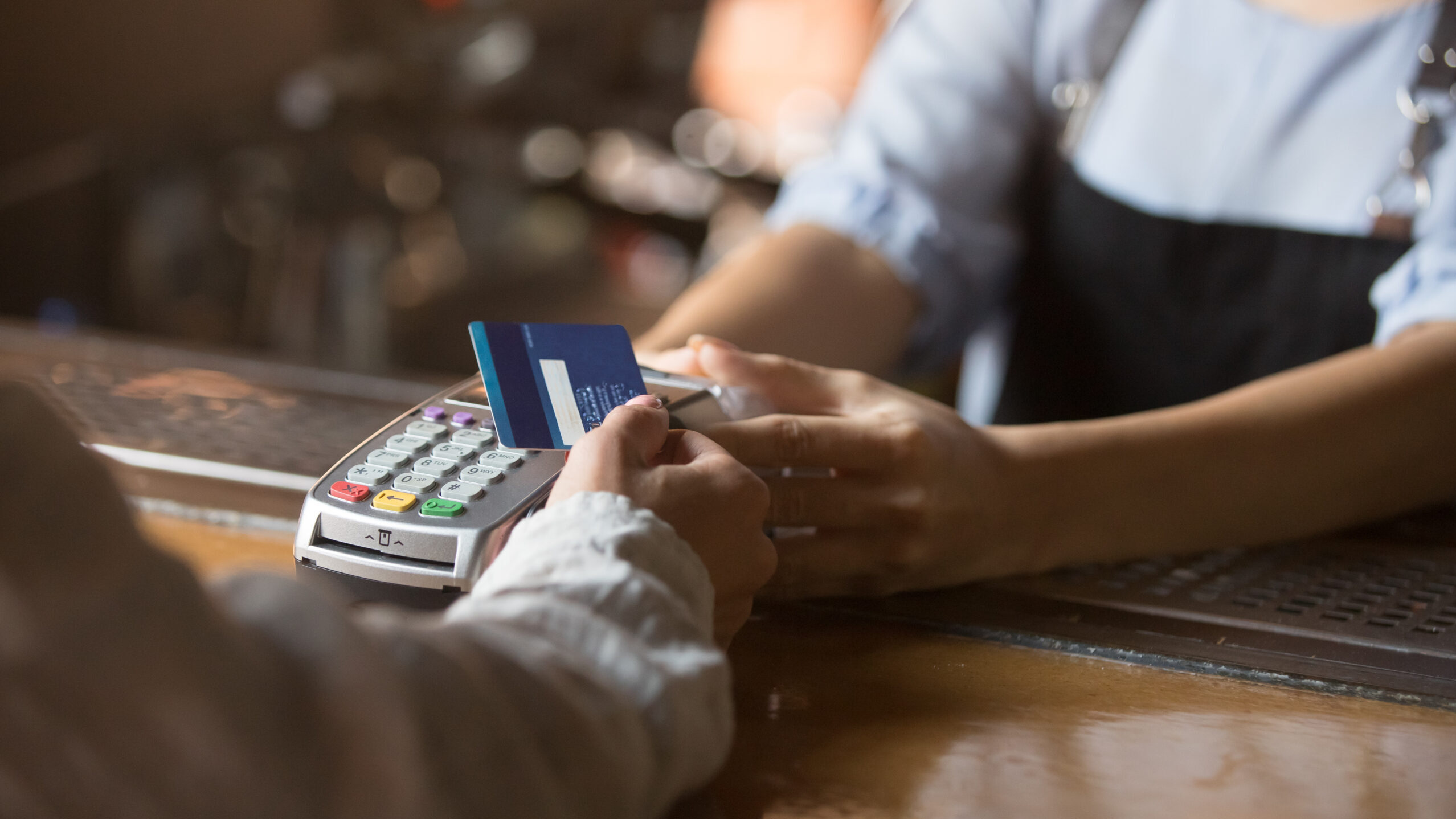
When you buy something with a credit card, the business has to pay a “swipe fee” to the bank. These fees are usually 2 percent to 3 percent of the total price. Even though that money goes straight to the credit card company, Alabama was one of the few states that still taxed businesses on those fees.
It’s like if someone asked you to set their paycheck on the table, and the government made you pay taxes on paycheck. It never belonged to you, but since you touched it, you were on the hook for it.
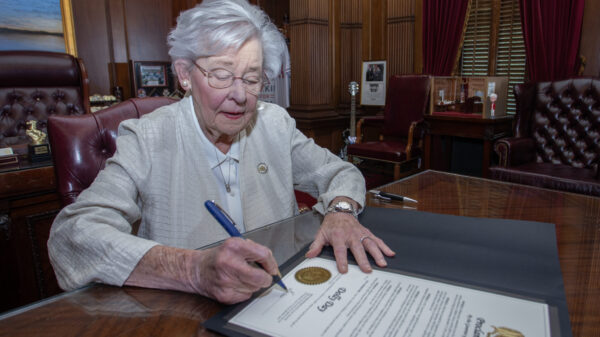
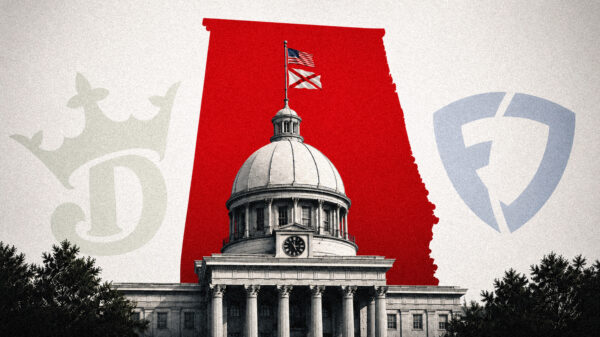
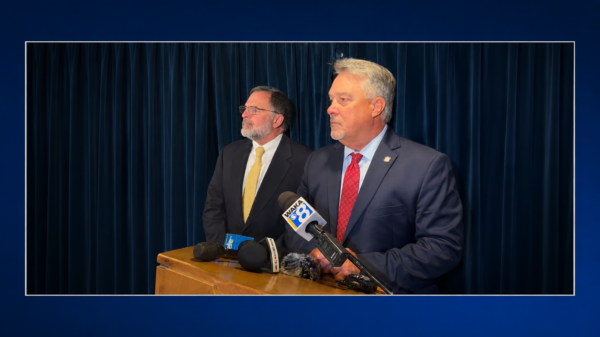
That wasn’t fair. That’s why my organization, the National Federation of Independent Business, NFIB, is grateful to Governor Kay Ivey for signing Senate Bill 221. This new law ensures that small businesses will no longer pay sales tax on fees that aren’t part of their actual income.
For a small business owner, this is more than just a technical change. It’s real relief. On Main Street, every dollar matters. Money that used to go toward these unfair taxes can now be used to pay workers, keep the lights on, or keep prices stable for customers.
But while Alabama has taken a great step forward, a larger problem remains.
Across the country, small businesses are stuck in a system where they have no power to negotiate credit card transaction fees. Two giant credit card networks and their big bank partners dominate the market.
If a shop wants to accept credit cards, which they must do if they want to compete, they have to pay whatever fees these giants demand, and they demand a lot.
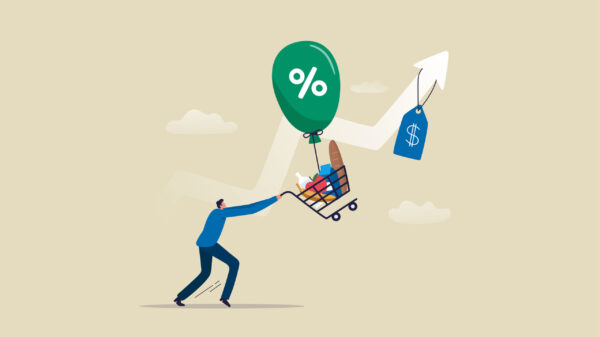
Swipe fees have more than doubled since 2012. For many small businesses, these fees are their greatest expense after wages. Worse, small businesses are often charged higher rates than big corporations, even though the work to process the payment is the same.
This is why we need Congress to follow Alabama’s lead and take action.
NFIB supports the Credit Card Competition Act. This bipartisan bill would finally bring real competition to the market. It would require big banks to offer at least two different networks to process transactions. This gives small businesses the power to choose the cheapest and most efficient option.
That is how a healthy market is supposed to work, but right now, that competition doesn’t exist.
SB221 shows what happens when leaders listen to small business owners. The measure brings fairness to our tax code and helps the businesses that serve our communities every day.
Small business owners aren’t asking for special treatment. They are just asking for a level playing field. Alabama got things started. Now, Washington needs to finish it.