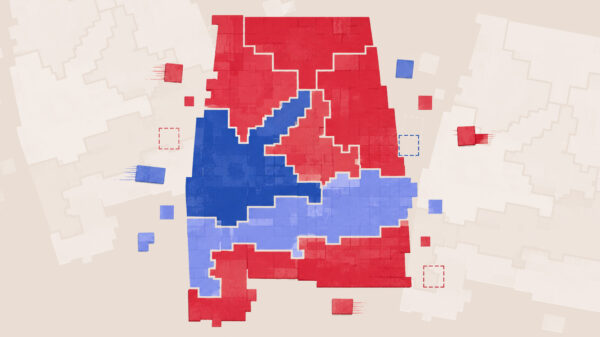
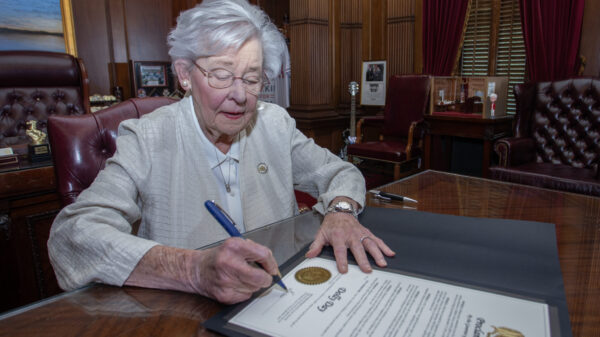


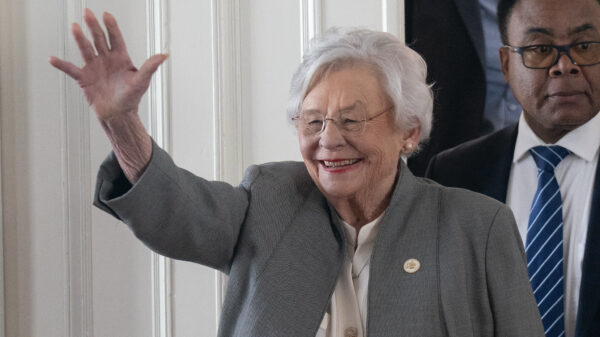


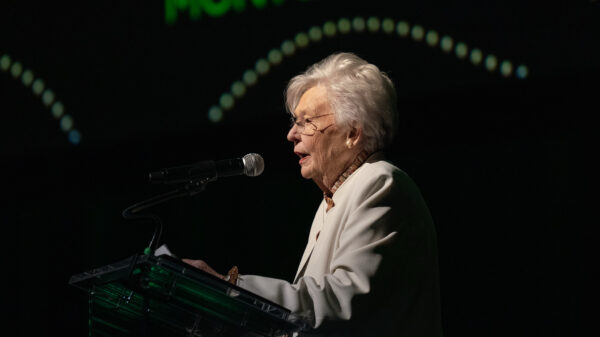








Just two weeks after Gov. Kay Ivey called a new special election to decide Congressional districts based on previously-enjoined 2023 districts, plaintiffs were back in federal court asking for relief.
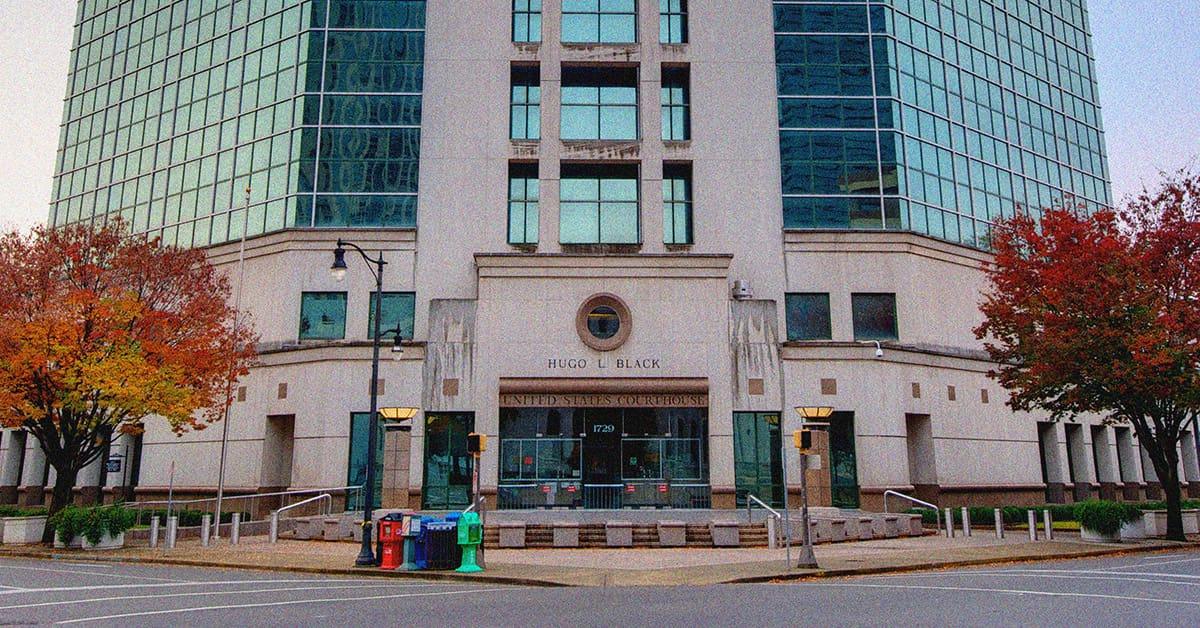
Three different sets of plaintiffs appeared before the three-judge federal panel Friday that had previously enjoined Alabama’s 2023 U.S. Congressional map after finding it failed to remedy a violation of Section 2 of the Voting Rights and that lawmakers had intentionally discriminated against Black voters by diluting their voting power.
The U.S. Supreme Court ruling in Louisiana v. Callais threw that ruling into questioning, sparking Alabama lawmakers to hold a special session to allow for special elections if the Supreme Court remanded the injunction, and the U.S. Supreme Court followed through.
Attorney Abha Khanna, representing the plaintiffs, told the judges that despite Callais setting a new standard for how race is used in drawing district lines, this specific case should not be affected.
“The findings and facts in this case remain just as damning as they were in 2023,” Khanna said.
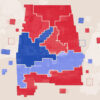
The state argued to the panel that the special masters who drew the Remedial Map—which was used in the 2024 General Election and the May 19 primaries—must have improperly used race because they did not “completely and entirely satisfy Alabama’s redistricting criteria,” pointing specifically to the map breaking up the Gulf Coast community of interest and pairing incumbents.
Deputy Attorney General Jim Davis argued that regardless of whether the Remedial Map violates the Callais standard, the federal judges should not enjoin use of the 2023 Plan because of the extra confusion it would cause voters.
Attorney Deuel Ross scoffed at that notion, noting that the Supreme Court did not force Alabama to revert to its 2023 Plan for the election that is already underway; it was Alabama’s choices that have caused confusion.
Khanna said the state has created “guaranteed chaos” for the 2026 election regardless of what the court decides.
Most of the hearing Friday explored that potential chaos. Jeff Elrod, head of the Elections division of the Secretary of State’s Office, testified for about three hours about the difficulties that lie ahead for the state in attempting to use the 2023 Plan.
Elrod testified that the voter registration records will remain locked until May 29 due to the certification of primary results from the May 19 election. That is the earliest that the voter reassignment process could begin, Elrod said.
Those records will be locked again on June 2 due to the upcoming June 16 runoff, Elrod said, giving registrars just a week to pull off what has historically been a three- to four-month process.
Elrod argued that a variety of factors give the office some confidence that the reassignment can take place in that short amount of time, citing upgrades to technological access like more counties having access to to GIS (Geographic Information Systems) and having fewer districts to reassign in fewer counties.
Although Elrod reiterated time and time again that the office would push an aggressive timeline and believed it to be possible, he was ultimately forced to admit on the stand that he is uncertain whether the reassignment could be done in time.
One line of questioning that could hurt the state on the practicality of using the 2023 Plan are the state’s own arguments against using the Remedial Plan in 2023, when Secretary of State Wes Allen argued he would need the map confirmed five months ahead of time to properly hold the election.
Alabama Solicitor General Barrett Bowdre told the judges that, under the new Callais standard, the federal judges have to basically give deference to whatever redistricting priorities state lawmakers set, including keeping the Gulf Coast community of interest whole.
U.S. Circuit Judge Stanley Marcus appeared skeptical of that argument, asking what then the role of the fact-finder is, particularly if the priority set by the lawmakers is “merely subterfuge to get to a desired result.”
The judges have not yet released a decision on the matter.