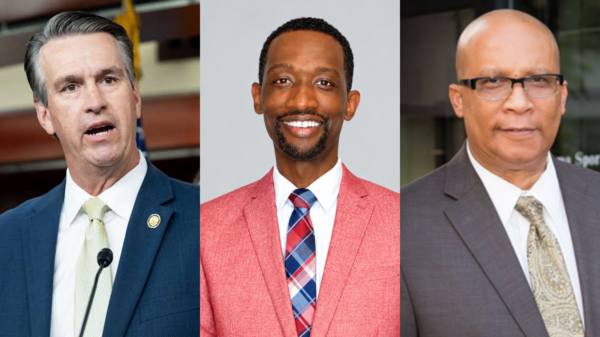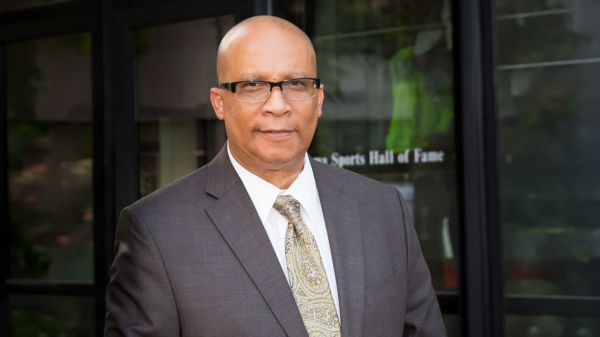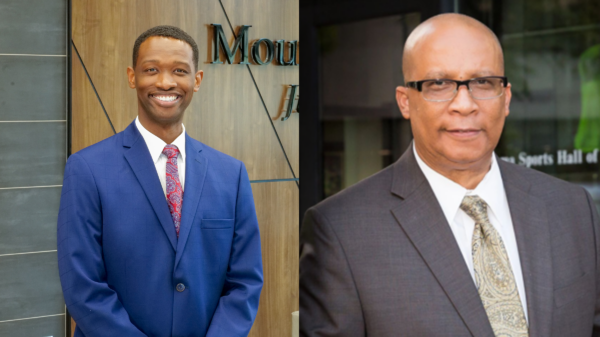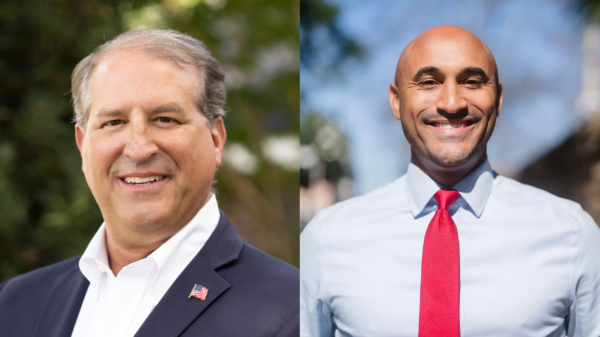



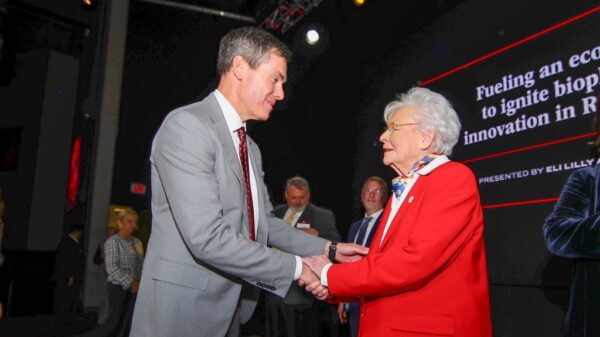



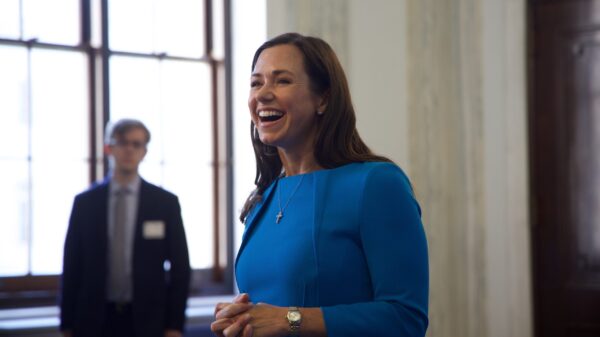








“I will be traversing the state, meeting with future constituents, learning what their issues are and providing a compare and contrast between Everett Wess and me,” Democratic Senate candidate Dakarai Larriett told APR during an interview by phone on Tuesday. “I am the only Democrat left in this Democratic primary.”
In the first round, Larriett received 99,033 votes, or just over 29 percent of all ballots cast in the Democratic Senate primary. He will be facing Birmingham-area lawyer Everett Wess in the upcoming June 16 runoff.
During the Tuesday phone call, Larriett accused Wess of being pro-life and highlighted Wess’ expression of potential support for the SAVE Act during a February debate.
Asked whether those positions might make Wess more electable, Larriett responded that “these are matters of freedom, of autonomy.”
“If you are personally pro-life, then that is how you run your house, but you don’t tell a woman what to do with her body, and what to do in her bedroom or what to do in her doctor’s office,” he said. “And similarly for LGBT issues. If you are anti-LGBT, then do not marry someone of the same gender.”
In the initial primary election, Wess received almost 40 percent of the votes cast: over 134,000 in total and more than 35,000 more than Larriett. Larriett attributed that to a lack of knowledge about Wes and the candidate’s endorsement from the Alabama Democratic Conference.
“Wess’ campaign is built on a house of cards,” Larriett confidently declared. “It is built upon purchased endorsements.”
Larriett also told APR that he expects many of the voters who supported Mark Wheeler to support him in next month’s runoff, and that he recently spoke with Kyle Sweetser about receiving that candidate’s support as well.
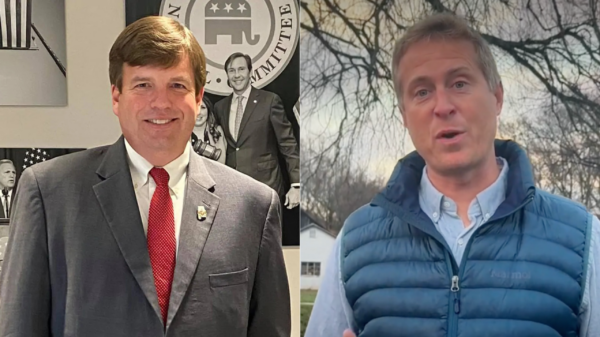
When asked about how he would run a general election campaign against the Republican nominee, either Moore or Hudson, Larriett responded that his “focus is truly on building community throughout the state, just like we did in Cullman.”
“The story is, we have not invested in ourselves as Alabamians for generations, and it’s time to do it before it’s too late,” he said. “We’ve got to do it through education, healthcare, economic opportunity, and public safety.”
Larriett specifically detailed his support for the Protecting the Right to Organize Act, or PRO Act, and respect for the military as two factors that would distinguish his representation of Alabama from Senator Tommy Tuberville, whom the winner of the November Senate election will be replacing.
“So [Tuberville] had a huge impact on reducing our readiness and we’re still experiencing that,” Larriett stated. “So not only does he support these illegal forever wars destablizing our country, our economy, producing $5 gas, he also destabilized our military withholding the promotions, and our military has never been more at risk.”
At the close of the interview on Tuesday, Larriett told APR that “we’re looking towards November now, and what we’re telling folks is, this is the opportunity to build those bridges.”
“Don’t get locked into this idea of left, right, Republican, Democratic, focus on the resume and the commitment to serving all Alabamians,” he said.