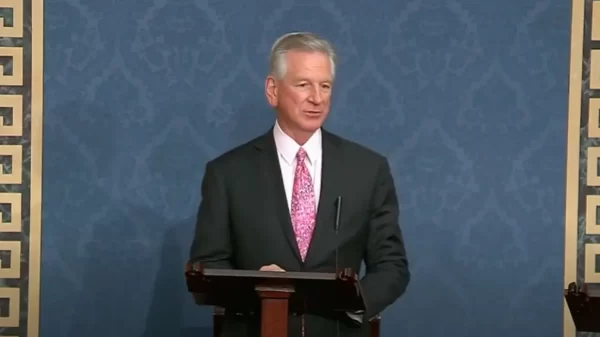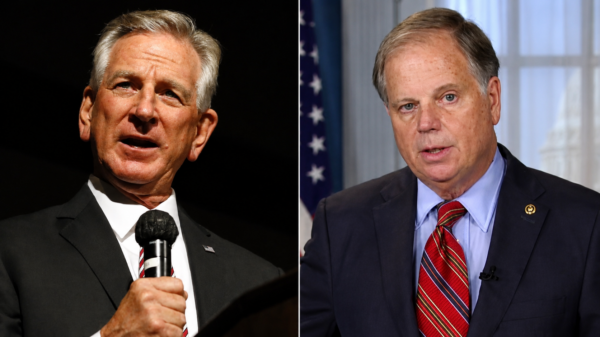









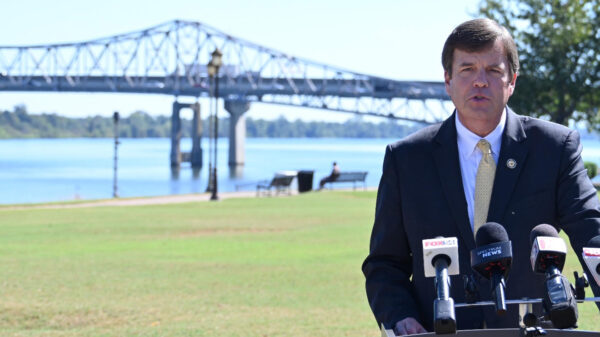










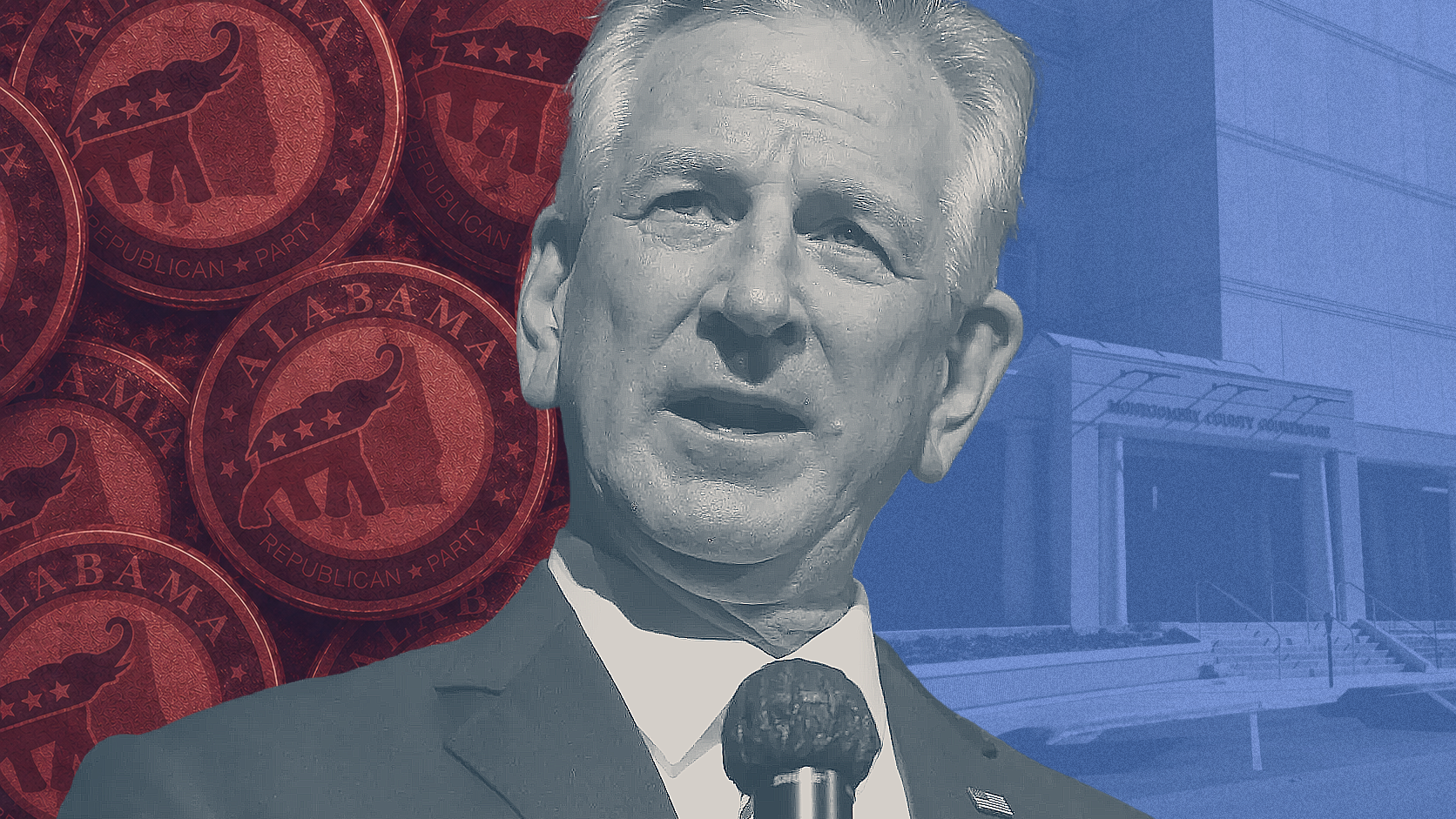
The Tommy Tuberville residency challenge is making its first trip to the Alabama Supreme Court.
Attorneys for a pair of military veterans who are challenging Tuberville’s eligibility to serve as governor filed an appeal Tuesday with the state’s highest court, asking that allow the case to move forward into discovery. Montgomery County Circuit Court Judge Brooke Reid last week granted Tuberville’s motion to dismiss the case, stating she believed the circuit court lacked standing to hear the unique challenge.
That challenge, a quo warranto challenge, made the case that Tuberville cannot be eligible to be the Republican Party’s nominee because he fails to meet the state’s requirement that a governor be a resident citizen of Alabama for the seven years prior to the general election.
What made the challenge unique was its timing. While quo warranto challenges are not, themselves, unique and have been used to remove lawmakers from office, challenging a candidate is unique, and it’s unclear if state law either allows it or forbids it.
The plaintiffs in the case argue that Tuberville, by virtue of being a certified state party nominee, is a quasi-government official who is now beholden to the constitutional requirements of the office he seeks. And they want a court to rule on whether he meets the eligibility requirements.
Tuberville’s team argues that state law clarifies the process for challenging candidates and election winners. That process includes party challenges, which are heard and decided by the party leadership, and post-election challenges, which are heard by a joint session of the legislature. They say that state law expressly forbids the courts from interfering with elections and election results unless there is a specific law requiring it.
The plaintiffs contend they’re not interfering with the election or outcome, but challenging the certified nominee’s eligibility. And they contend that a neutral court – not a party or the legislature – should have at least a limited role in hearing matters of constitutional law.
What the Alabama Supreme Court will do is unclear.
While that court is filled with Republicans – a fact that has been repeatedly brought up in the general public – there have also been rumors and speculation that the justices are not settled on an answer or on the process for getting to an answer. Attorney Barry Ragsdale, who is representing the plaintiffs, has said repeatedly that he expects some or all of the justices to recuse from the case, leaving it up to special-appointed justices to hear and determine.
Should that be the case, and a group of justices who are not seeking reelection hear the case, all bets are off.
If the plaintiffs are successful in this appeal, though, that does not mean that Tuberville is ineligible or that the court has made any determination regarding his eligibility. It simply means the case can begin and the discovery process can start.
It also likely means that this is the first of many trips the case will make to the Supreme Court to settle various disputes.