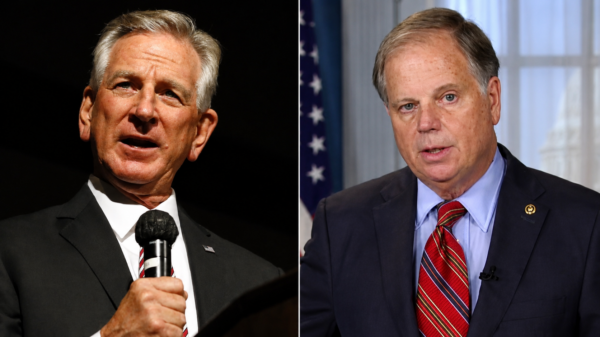

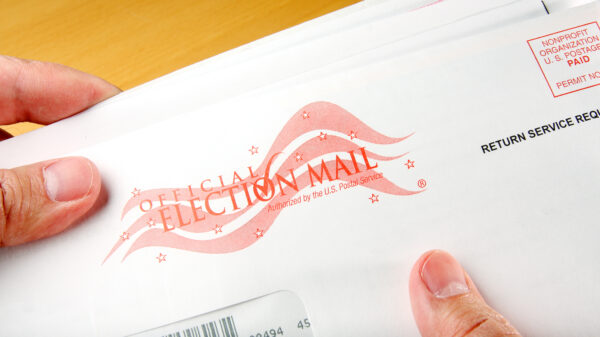

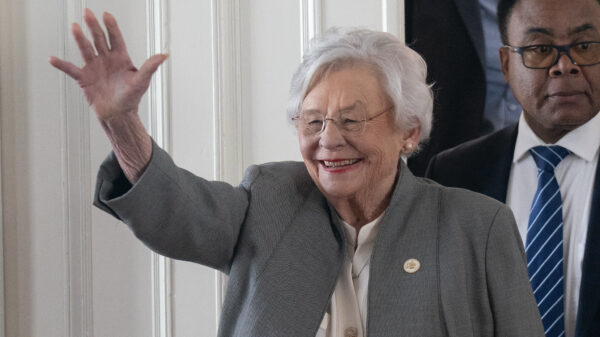
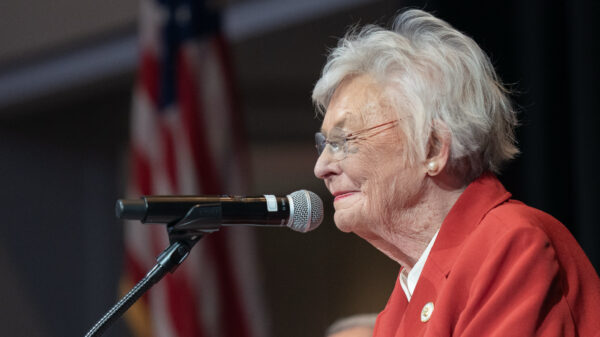
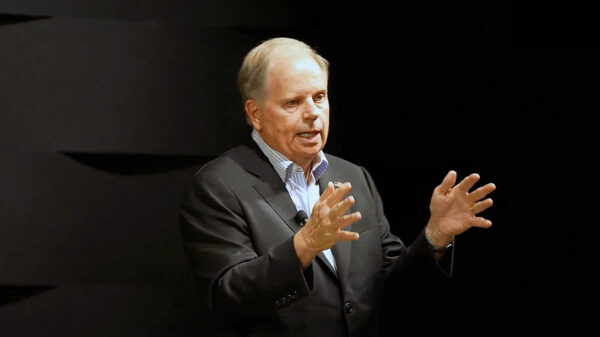



















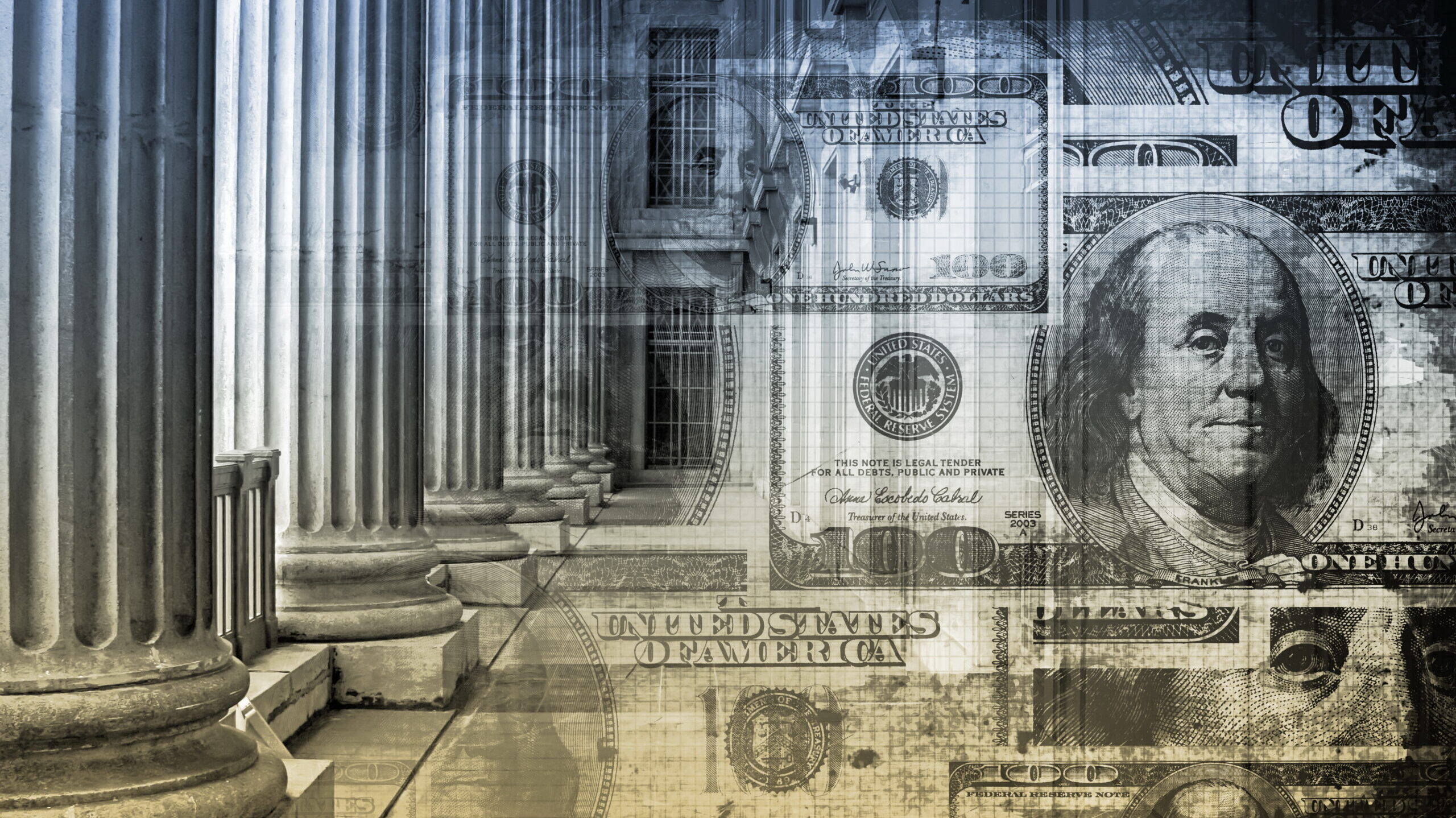
Alabama candidates spent more than $40.6 million during this year’s primary and runoff elections for state and federal offices, according to an Alabama Reflector review of state and federal campaign finance filings.
That is a great deal of money to spend persuading Alabamians to grant someone temporary possession of public power. No one invests that much in offices that do not matter.
Government awards contracts, grants licenses, regulates industries and distributes billions of public dollars. It determines who pays taxes, who receives incentives and whose interests are protected when laws are written. Those decisions have value, and so does access to the people who make them.
There is an old saying in Alabama politics: “I ought to be able to drink their whiskey, smoke their cigars and still vote against them.”
It has survived because it expresses the independence every officeholder wants to believe they possess. They may accept the hospitality, campaign contribution and political support, but when the vote is called, their judgment remains their own.
Perhaps some live by that standard. But the saying tells us more about the confidence of the person receiving the whiskey than the expectations of the person pouring it.
The whiskey is consumed. The cigar burns away. The relationship remains.
Who receives the returned call? Who gets the private meeting? Whose concerns are heard before a bill is drafted, a contract is awarded or a regulation is approved?
Influence does not always demand obedience. Sometimes it asks only to be heard first.
That is what makes political money more complicated than the crude exchange most people imagine when they think of corruption. A contribution does not have to purchase a vote to purchase access, and a donor does not have to issue an order to gain a place in an officeholder’s thinking.
The process is quieter. A contribution is made. A relationship develops. The donor becomes a supporter, the supporter becomes an ally and the ally becomes a trusted voice. No bargain is spoken, and none may be necessary.
Human beings naturally listen more closely to those who have stood with them, defended them and helped make their success possible. Taking an oath of office does not erase that instinct.
How does an officeholder know when gratitude has become obligation or when political loyalty has begun competing with public duty? There is no receipt marking the moment. The person experiencing the shift may remain convinced that every decision is independent.
That is where the Federalist Papers still speak to us.
Alexander Hamilton, James Madison and John Jay were not prophets. They could not have imagined television and social media advertising, political action committees, campaign consultants or elections costing tens of millions of dollars.
They had done something more useful: They had studied history, government and human nature.
Hamilton wrote bluntly of people being “ambitious, vindictive, and rapacious.” Jay warned that the prospect of “present loss or advantage” could cause those in power to depart from good faith and justice. Madison wrote that the causes of faction were “sown in the nature of man.”
They were describing different expressions of the same human weakness. Ambition calls itself service. Self-interest learns to speak in the language of the public good. Gratitude begins to feel like principle, and dependence is renamed loyalty.
The writers of the Federalist Papers had studied republics that rose with great promises and fell through faction, corruption and concentrated power. They understood that people in authority are not always reliable judges of their own motives.
That is why the framers did not build the Constitution around the expectation that good people would always govern. Madison warned that “enlightened statesmen will not always be at the helm.”
Good leaders may govern, but no republic can depend upon them always being there.
The framers hoped for virtue. They planned for ambition. They divided authority, created competing branches and required regular elections because they understood that power could not safely depend upon the character of those who possessed it.
Madison wrote that dependence on the people was the primary control on government. He believed representatives should maintain an “immediate dependence on” and an “intimate sympathy with” the public.
Modern campaigns complicate that relationship.
Candidates depend upon a relatively small group of donors and political organizations to finance their campaigns. They then depend upon a much larger group of citizens to cast ballots.
Voters decide who wins, but money helps determine who can afford to become a serious candidate, whose message will be heard and who has the resources to answer an attack before it becomes accepted as truth.
Money does not guarantee victory. Alabama has seen well-financed candidates lose. But money buys visibility, viability and the opportunity to define the contest.
A qualified candidate without sufficient support may never become known. A deeply flawed candidate with enough money can appear on television screens, in mailboxes and across social media until familiarity begins to resemble credibility.
Then Election Day passes. Most voters return to their jobs, families and daily responsibilities, while organized interests remain at work.
They employ lobbyists, monitor committees, track legislation and maintain relationships. They attend fundraisers before the next campaign has fully begun. They often know what government is considering before the public knows there is anything to consider.
They understand the value of political power. That is why Alabama politics costs so much.
The contractor, corporation, trade association or wealthy donor has every right to advocate for an interest. The Constitution protects the right to petition government, organize around common concerns and support candidates who share those concerns.
But constitutional rights do not erase human nature.
Can millions of dollars move through a political system without creating gratitude, expectation or privileged access? That is not an accusation against every donor or officeholder. It is a question serious people must be willing to ask.
Political influence is rarely as simple as cash exchanged for a vote. It is usually a matter of proximity: who stands closest to power, whose arguments are heard most often and whose disappointment carries the greatest political cost.
The citizen who contributes nothing still possesses a vote. After the election, however, does that citizen possess the same opportunity to be heard as the organization that contributed thousands of dollars, hired a lobbyist and helped finance the campaign?
Alabama’s $40.6 million paid for advertisements, consultants, staff, polling and political strategy. It also reflected the value donors and organizations place on influencing who will exercise public authority.
Political money is rarely given because donors admire democracy. It is invested because government makes decisions worth influencing.
Disclosure laws, ethics rules, competitive elections and independent journalism can expose relationships and restrain abuses. But rules cannot inspect the human heart. They cannot determine when gratitude became obligation or when an officeholder began giving one voice more weight than another.
That responsibility rests with the person holding office.
Public office is a public trust. Those who win elections do not own the power entrusted to them. They exercise it temporarily on behalf of citizens who may never attend a fundraiser, employ a lobbyist or receive a private meeting.
The old Alabama saying assumes an officeholder can drink the whiskey, smoke the cigar and still vote against the giver.
Maybe they can.
But public trust requires more than confidence in one’s independence. It requires the humility to ask whether those who helped provide the power have also gained a place in the judgment.
The deepest danger is not that every contribution purchases a vote. It is that money can purchase a place in the decision—and that no one involved will admit, even to themselves, that anything was bought.