










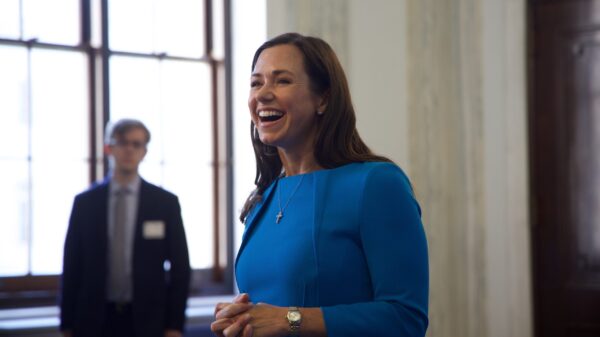


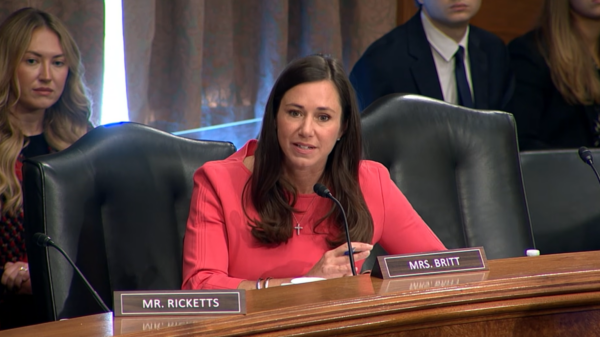












United States Senator Katie Britt, R-Alabama, joined a bipartisan group of lawmakers Tuesday urging passage of the Sanctioning Russia Act of 2026, which would sanction Russia and impose tariffs on the largest buyers of Russian oil.
The late United States Senator Lindsey Graham originally championed the legislation. He introduced a version of the bill last year and worked to finalize the current measure’s language during the final weeks of his life.
A Senate aide said lawmakers finalized the bill’s text before Graham met Ukrainian President Volodymyr Zelensky last week in Kyiv.
The bill seeks to pressure Russian officials to end the country’s four-year war against Ukraine by imposing financial penalties on buyers of Russian oil and gas. It would allow tariffs of up to 100% on the five largest purchasers of Russian oil and gas.
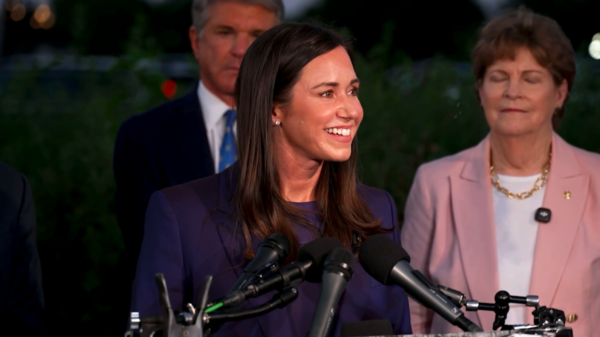
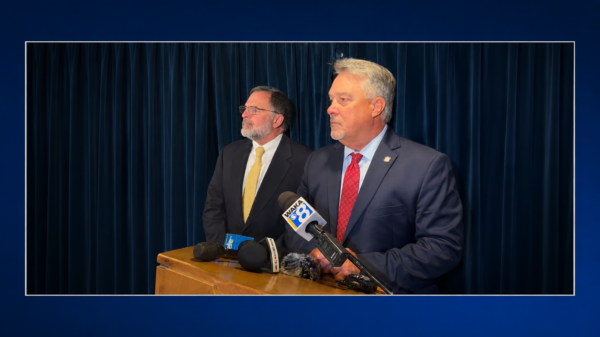
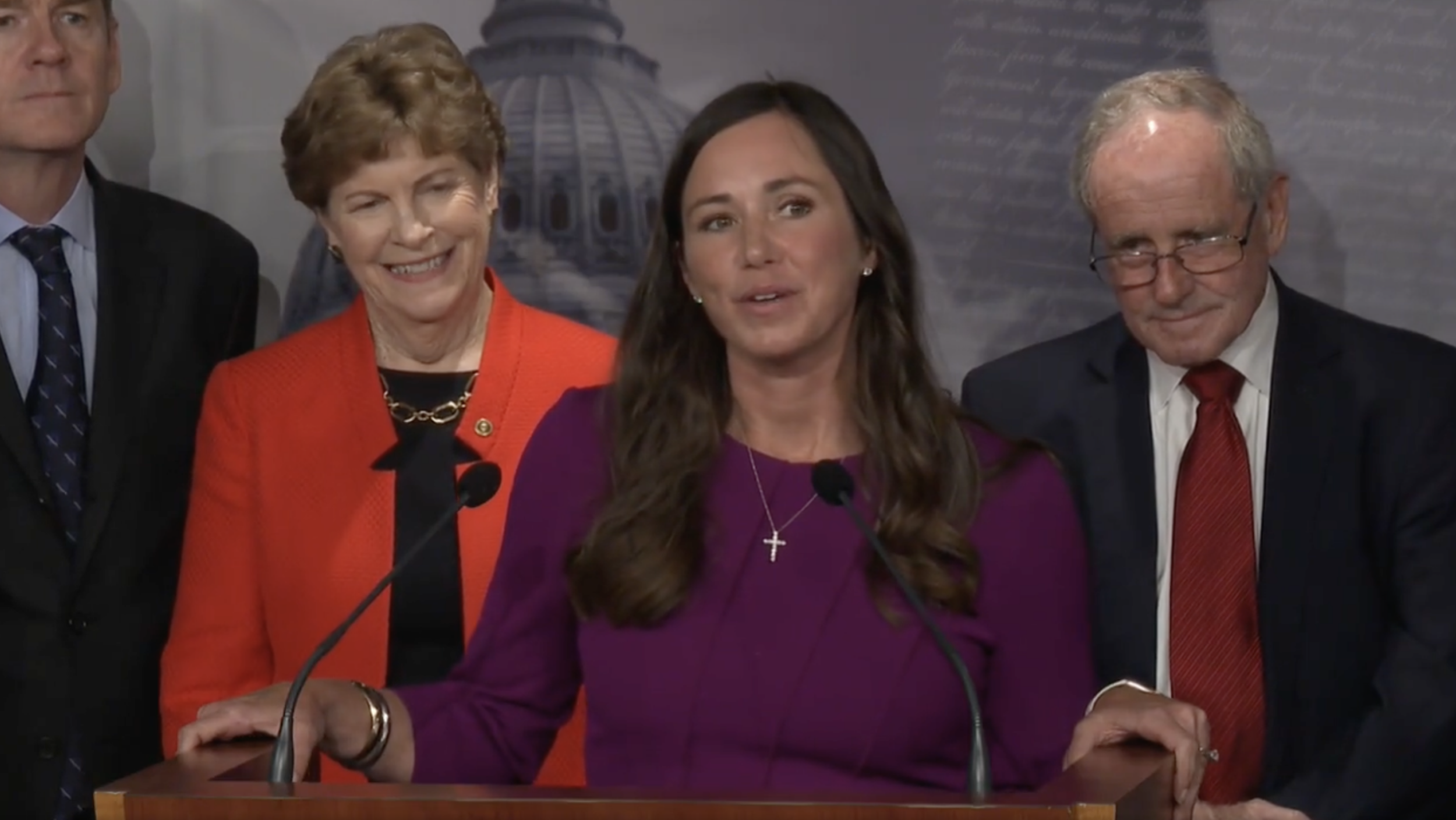
At a Tuesday news conference, United States Senator Richard Blumenthal, D-Connecticut, a co-author of the bill, and other senators called for its passage to honor Graham’s work.
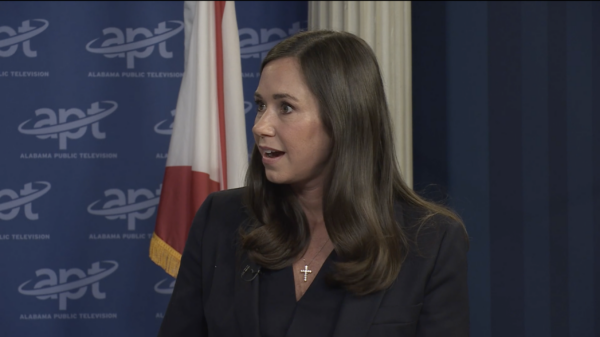
Britt, who also attended the swearing-in of Graham’s sister, Darline Graham, to complete his Senate term Tuesday, called Graham “larger than life” and urged passage of the bill as one of his final policy priorities.
“[Graham] worked on this tirelessly, relentlessly. He wanted this to happen. He knew it was the right thing to do, and he knew it was what we needed to do,” Britt said. “He said this would be the most consequential piece of legislation that he ever had an opportunity to get behind and get to the president’s desk.”
“Today, as we stand on this stage, we remember him for what he did to get us here,” she added. “We thank all of his team for all you did.”
In a statement Tuesday, Britt said Graham considered the legislation central to his legacy and described it as an effort to end the war in Ukraine.
“Putin’s war against Ukraine has claimed hundreds of thousands of lives, and it must end,” she said.
The bill would also impose mandatory sanctions on Russian President Vladimir Putin, senior Russian officials, the Russian military, Russian banks and energy companies.
United States Senator Jeanne Shaheen, D-New Hampshire, three additional Democratic senators and seven Republican senators also spoke in support of the legislation.
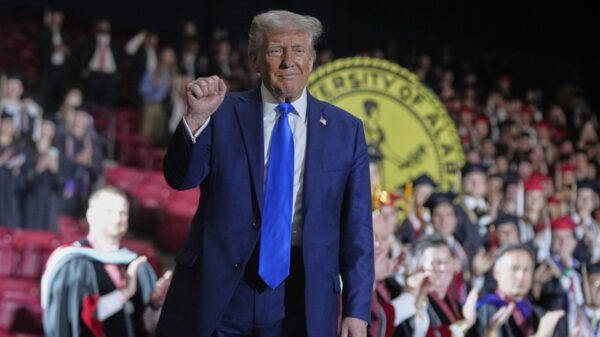
Blumenthal said the bill has support from the Trump administration. However, United States Representative Richard E. Neal, D-Massachusetts, and United States Representative Ron Wyden, D-Oregon, opposed the measure Tuesday.
“It is extremely dangerous to give Trump massive new tariff powers, particularly after we’ve seen the disastrous impacts of his corrupt, chaotic and inflationary tariff spree,” Neal and Wyden said in a written statement.
When asked whether House Democrats would support the legislation, Blumenthal said he expected bipartisan backing to continue growing.
“We have a very powerful bipartisan coalition as evidenced by what we see on this stage,” Blumenthal said. “It is building even as we speak, so I think the House will pass as readily as the Senate if we move quickly.”