











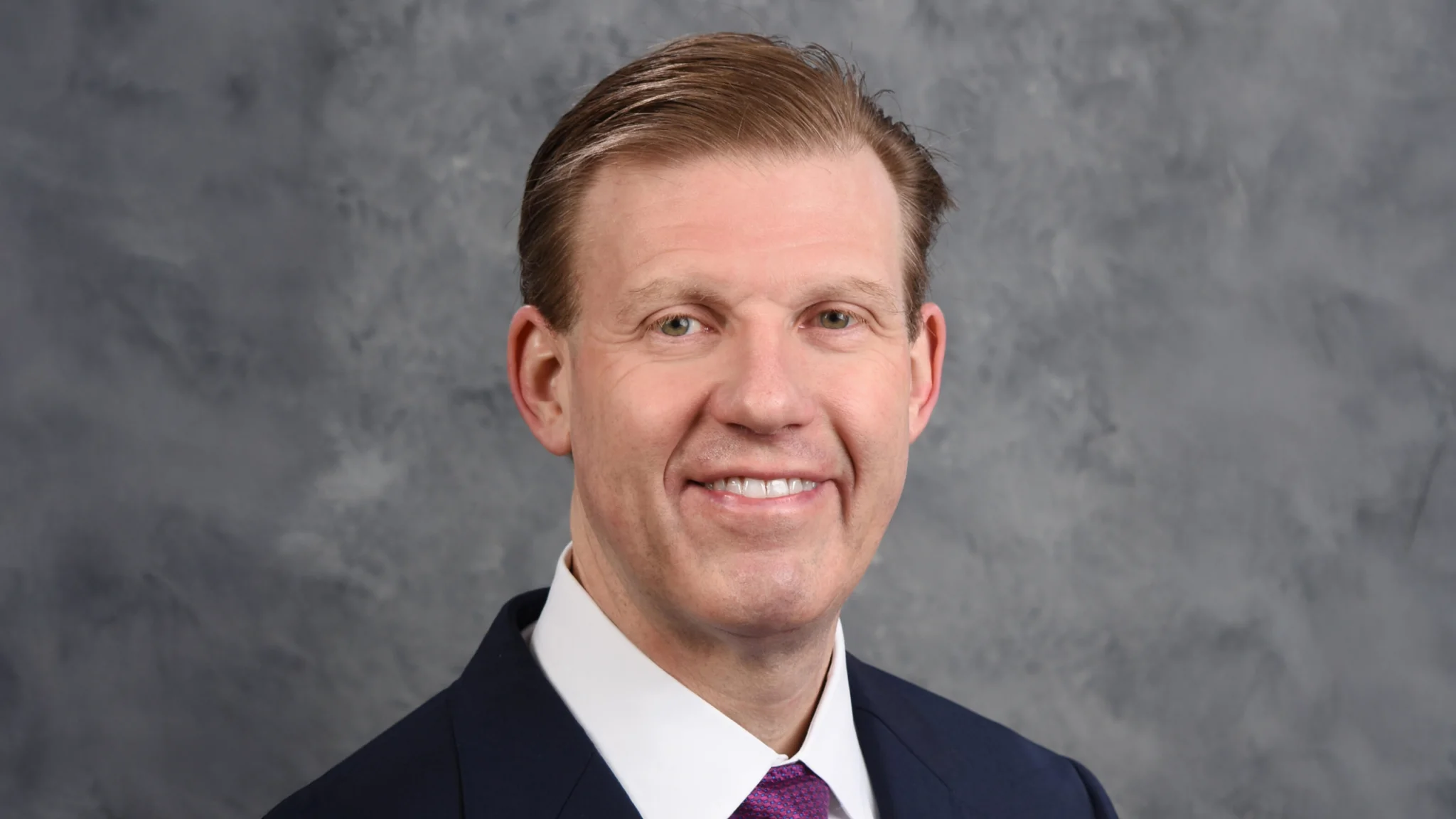




As Democratic candidates seek to regain control of the House and Senate in November, the likely loss of Democratic members of Congress from formerly majority-minority districts redrawn after the Supreme Court’s decision in Louisiana v. Callais poses a major obstacle.
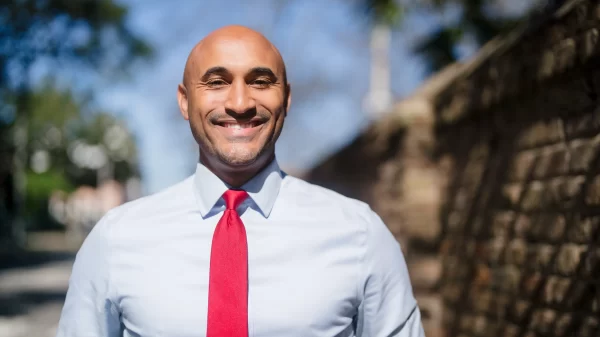
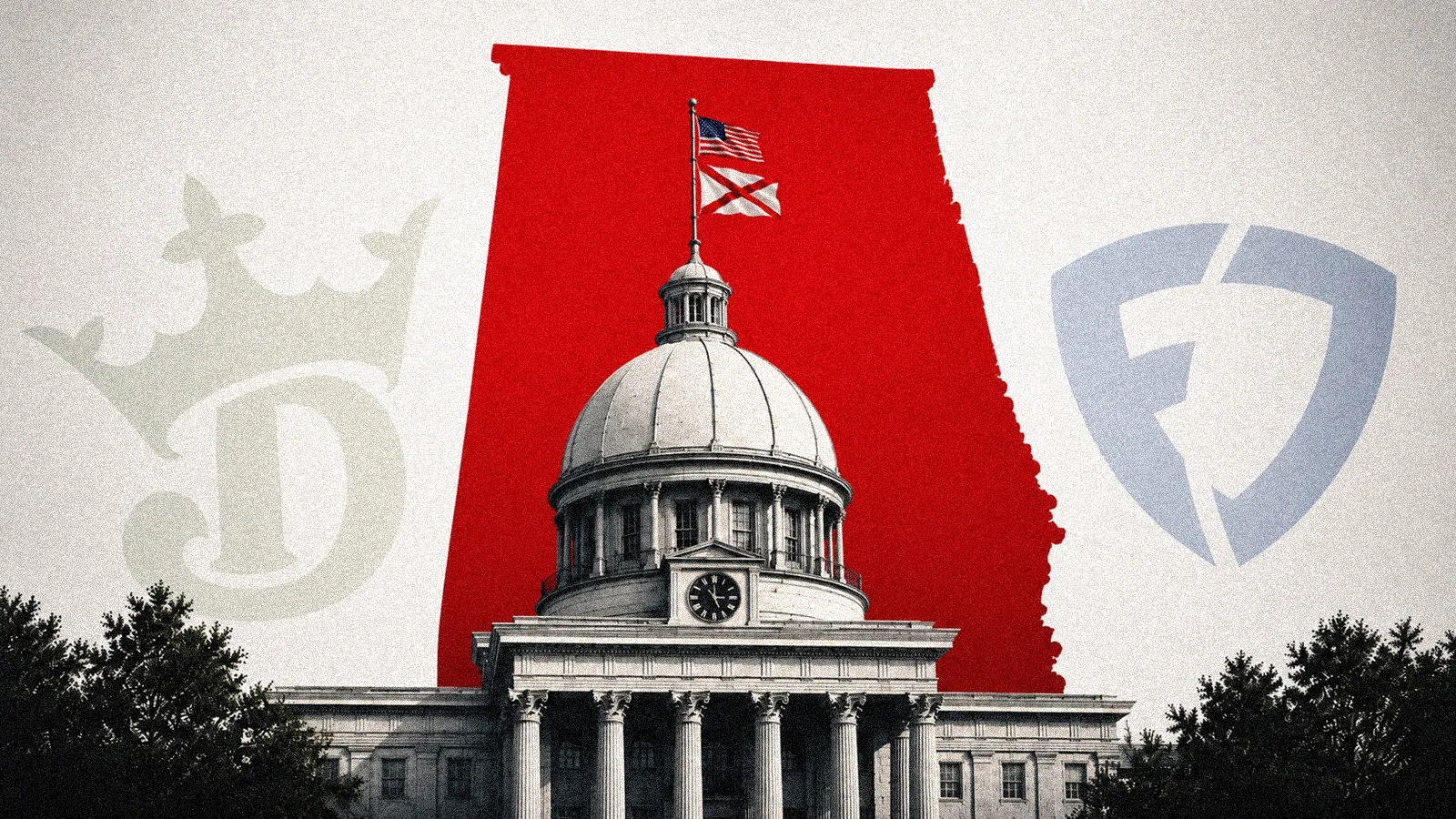
U.S. Representatives Shomari Figures and Terri Sewell were elected from majority-minority districts in Alabama. After the Supreme Court allowed Alabama to use a Republican-drawn map previously struck down for racial gerrymandering, Figures’ district changed dramatically while Sewell’s remained largely the same.
“The district that [a panel of three judges considering a Voting Rights Act challenge] drew is the district that we currently represent,” Figures said at a worship service Sunday. “Well, some people didn’t stop fighting against that, and recently they redrew the district in a way where they are attempting to take this district not from me, but from us.”
“What they have done is they have taken a district that is currently about 47 percent African American and they’ve made it a district that’s 40 percent African American,” Figures continued. “I don’t know about you, but you give me your 40 percent Black district, I like my chances.”
In 2024, Figures won his first U.S. House term with 54.6 percent of the vote, compared with Republican candidate Caroleene Dobson’s 45.4 percent. The redrawn district, however, leans strongly Republican. Under its current borders, the district would have voted for Trump by 14 points in 2024.
Democrats still hope Figures can outperform the partisan baseline in the altered district and win a second term.
Suzan DelBene, chair of the Democratic Congressional Campaign Committee, said in a recent statement on a new internal poll that “Shomari is the fighter that the people of Alabama need in Congress, and his seat is critical to Democrats winning back a majority.”
The poll, conducted in late June, showed Figures 1 point behind Rhett Marques, a candidate in the Republican special primary endorsed by President Trump last month.
Forty-four percent of respondents said they would vote for Figures, compared with 45 percent who said they would support Marques.
“This poll shows that the people of Alabama are poised to reject Republicans’ cynical politics and reelect Shomari because he’s focused on solving America’s affordability crisis and creating opportunities for all families to thrive,” DelBene said. “Their desperate attempt to silence the will of the voters will backfire in November, and I look forward to welcoming Shomari back to Congress.”
Despite the Republican advantage, several election prediction and modeling firms rate the race as a toss-up or at least not a safe Republican district.
In June, the Cook Political Report moved its rating for Alabama’s 2nd Congressional District from “Safe Republican” to “Lean Republican.” Another organization placed the race in its likely Republican tier rather than its safe Republican pickup category.
Split Ticket’s model rates the race a toss-up. In an article for the online magazine The Argument, Split Ticket founder Lakysha Jain said “experts aren’t pricing in how blue the year actually is.”
National polling shows Trump is deeply unpopular. About 58 percent of recently polled voters said they disapproved of his job performance. Nearly all recent generic congressional ballot polls—which ask voters whether they would support a Democrat or Republican—show Democrats ahead, sometimes by sizable margins.
The Cook Political Report estimates that Alabama’s 2nd Congressional District is about 7 points more Republican than the nation. If November brings the blue wave Jain predicts and Figures outperforms expectations or benefits from incumbency, he could hold the seat despite the new district boundaries.