























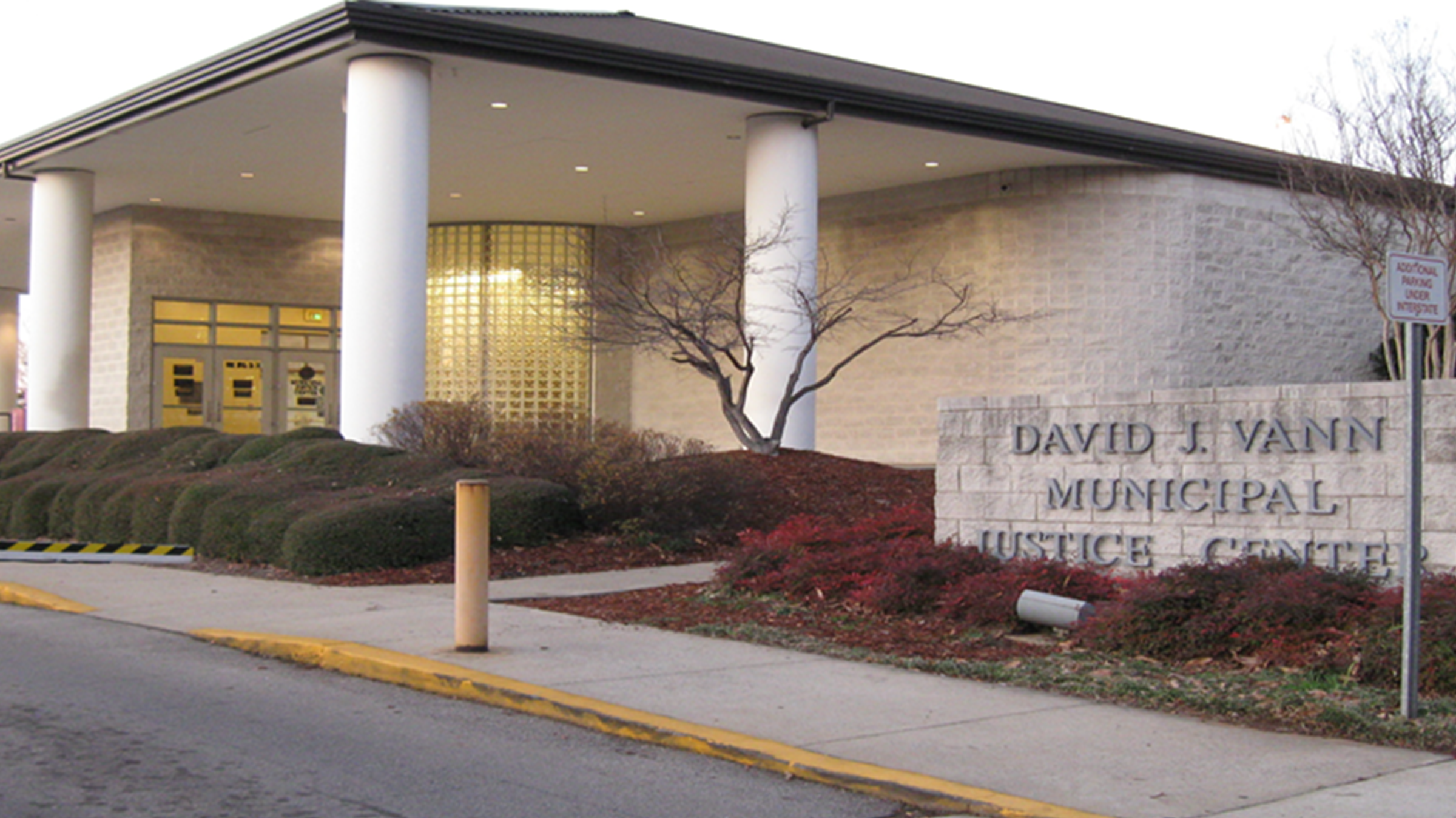
The Birmingham Municipal Court recently announced that June 2026 will be “Court Amnesty Month,” giving eligible residents the opportunity to resolve outstanding “Failure to Appear” warrants and related court obligations without the threat of immediate arrest.
Presiding Judge LaResha Cade-Spearman touted the initiative as a way for residents to address unresolved legal matters while reducing the backlog of outstanding warrants and its burden on the court.
“This initiative is about providing people with a meaningful opportunity to address outstanding court matters and move forward,” Cade-Spearman said. “Court Amnesty Month supports fairness, accountability and judicial efficiency while helping residents reconnect with the court system in a constructive way.”
Those eligible for amnesty include individuals with outstanding Failure to Appear warrants related to traffic citations or misdemeanor charges; failure to complete a court-ordered program or probation; failure to comply with a payment plan or sentencing order; or outstanding unpaid fines, court costs or restitution.
Such individuals may have their warrants recalled by paying their original fines and court costs in full, establishing or reinstating a payment plan or recomplying with a court-ordered program or probation requirements. Residents who take these steps may have their Failure to Appear fees stayed or remitted and may be provided additional time for fines and costs to be paid.
Individuals with outstanding parking tickets may also resolve their citations online.
Residents charged or convicted of violent crimes, including domestic violence offenses, driving under the influence or code and zoning violations, are not eligible for the amnesty program.
The Birmingham Municipal Court is open between 8 a.m. and 4 p.m., Monday through Friday. Participants must present a valid ID.
Residents seeking additional information about Court Amnesty Month or their potential eligibility are encouraged to contact the Birmingham Municipal Court at 205-254-2161.
Special amnesty periods are commonly implemented by courts around the country to allow individuals to address unresolved cases without fear of arrest. Such programs also benefit the courts by clearing burdensome warrant backlogs and generating revenue from previously unpaid fines. In Alabama, the clearing of Failure to Appear warrants also prevents additional incarcerations in the state’s already-overcrowded prison system.