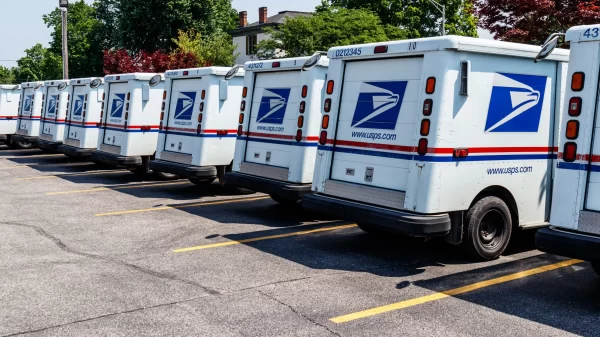




















An Alabama-led group of attorneys general has voiced support for a proposed U.S. Postal Service rule that would change how the agency handles ballots during federal elections.
The proposed rule seeks to implement an executive order signed by President Donald Trump in March directing the Department of Homeland Security and the Social Security Administration to create a list of eligible voters in each state. The order also would bar the Postal Service from sending absentee ballots to people who are not on a state’s approved list.
The Postal Service filed the rule in May to comply with the order. However, enforcement of the proposed mail-in restrictions has been blocked in 23 states and the District of Columbia.
A Massachusetts federal judge ruled June 25 that the order was unconstitutional, finding that states and Congress, not the president or federal agencies, have the power to set election rules. A D.C. judge similarly ruled against the proposed rule July 1 in a separate case brought by the NAACP.
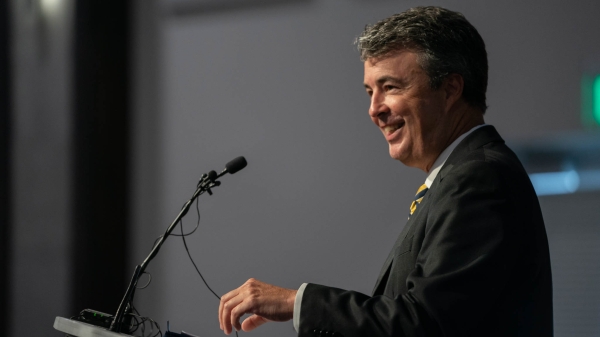
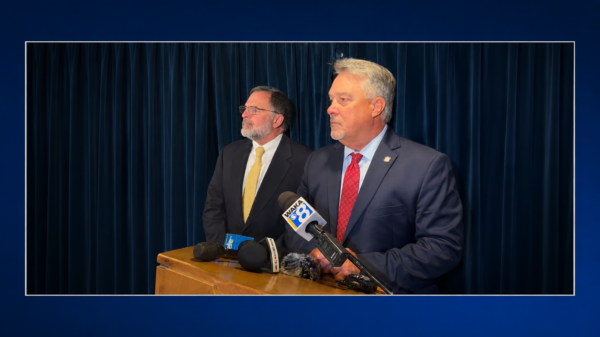
In a July 2 official public comment letter led by Alabama Attorney General Steve Marshall and endorsed by 12 additional Republican attorneys general, the signees urged the Postal Service to enact the proposed mail-in ballot regulations.
Marshall voiced support for the proposed rule in a Monday statement, arguing the regulation would help states further ensure the integrity of federal elections.
“States are the leaders in regulating elections, and yet despite our best efforts to enact policies to deter and detect fraud, voter fraud continues to be a problem,” Marshall said. “We appreciate the federal government lending a helping hand to shore up our elections and help states provide Americans with confidence in our system.”
Marshall argued that two cases of alleged unlawful use of absentee ballots that the attorney general’s office began prosecuting earlier this year justify the rule’s necessity. Five Alabamians have been charged in connection with the cases.
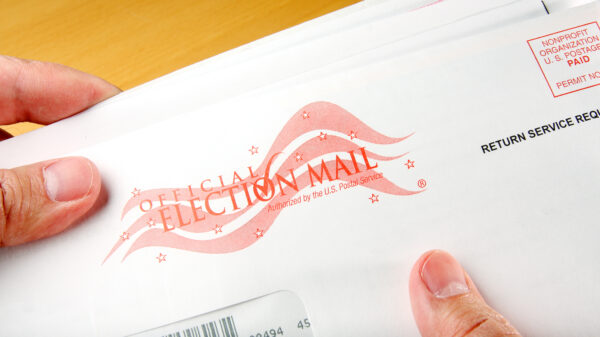
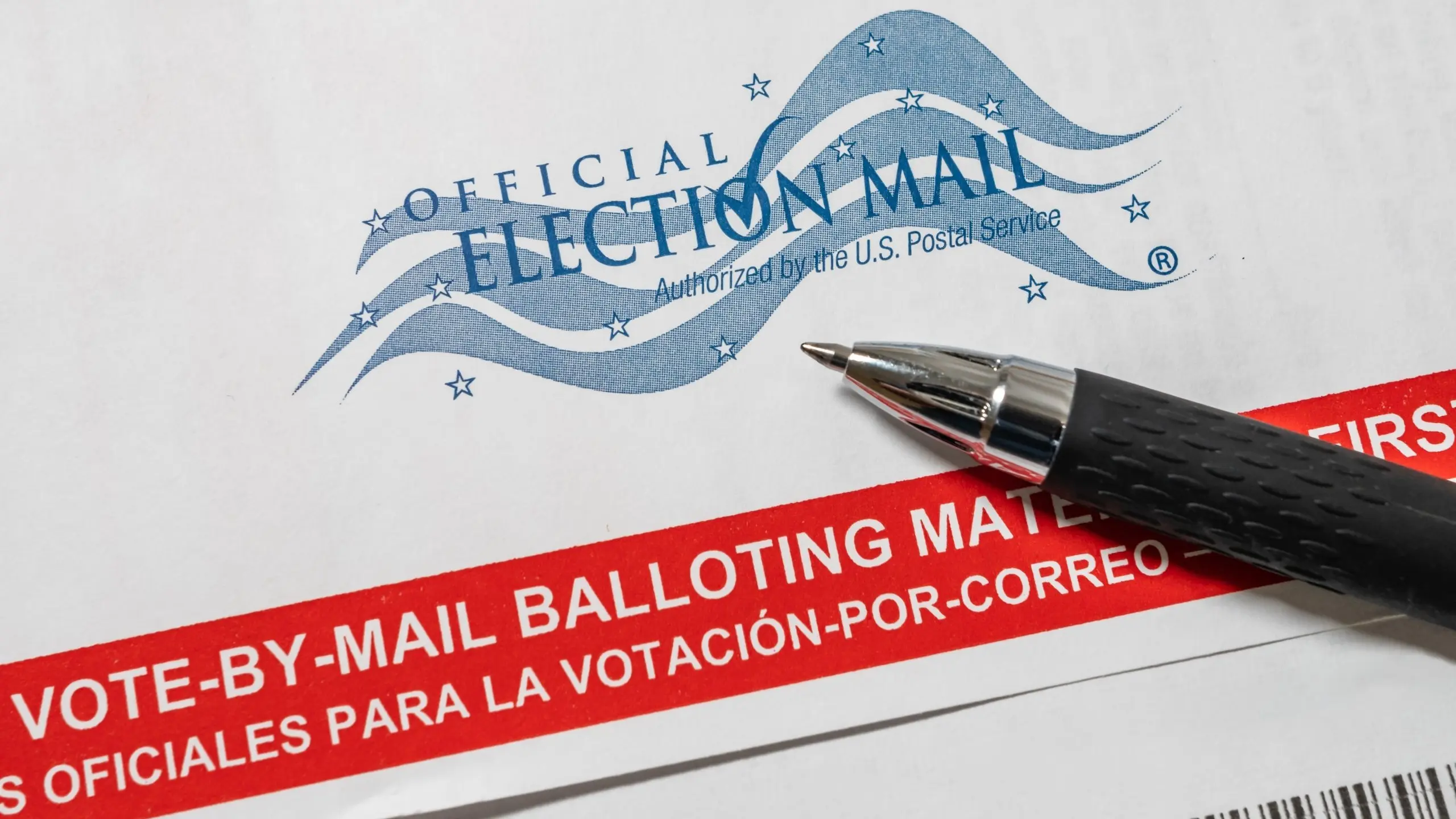
The proposed Postal Service rule would standardize envelope design and require states to implement a unique barcode to track ballots.
“While we in Alabama can do all we can to secure our elections, Alabamians deserve to know that national elections held in other states are also secure since they affect us as well,” Marshall said.
The executive order has received letters of disapproval from 24 Democratic state attorneys general and nine Democratic governors, led by Illinois Governor J.B. Pritzker.
Democratic leaders have asked the Postal Service to withdraw the proposed rule in light of federal court rulings against it. They have argued that the rule would undermine trust in federal elections and complicate the voting process.
“The Constitution is clear: states control elections, not the President. This proposed rule is illegal and dangerous,” Washington Attorney General Nick Brown said. “We will continue to protect the rights of eligible Washington voters to have their voices heard in our democracy.”
The proposed regulation also has faced opposition from the American Postal Workers Union, with union President Jonathan Smith describing the proposed rule as an unwelcome attempt to “politicize” the Postal Service.
“It is our position that it is not the job of the postal workers to verify voter eligibility,” Smith told The Associated Press. “It is our job to move mail from one destination to the next.”
While Marshall and the group of Republican attorneys general acknowledged the rule would impose administrative burdens on the Postal Service, they argued that it “responds to legitimate and widespread public concerns about federal election integrity” and would ensure accountability in federal elections.
“To be sure, the proposed rule will impose some administrative burdens on States as they take advantage of the new portal registration, barcode generation, and list submission provisions. But we believe these burdens are plainly justified by the security and accountability benefits of the proposed rule,” the Republican attorneys general wrote.
The executive order that prompted the proposed rule came after numerous claims from Trump that voting by mail is not secure, despite Trump himself voting by mail multiple times, as recently as March.
A 2025 Brookings Institution report found that instances of mail-voting fraud were “exceedingly rare,” occurring roughly four times for every 10 million mail-in ballots cast.
The additional Republican officials who signed Marshall’s letter are the attorneys general of Arkansas, Indiana, Iowa, Kentucky, Louisiana, Mississippi, Missouri, Montana, Nebraska, Oklahoma, South Carolina and Texas.