




















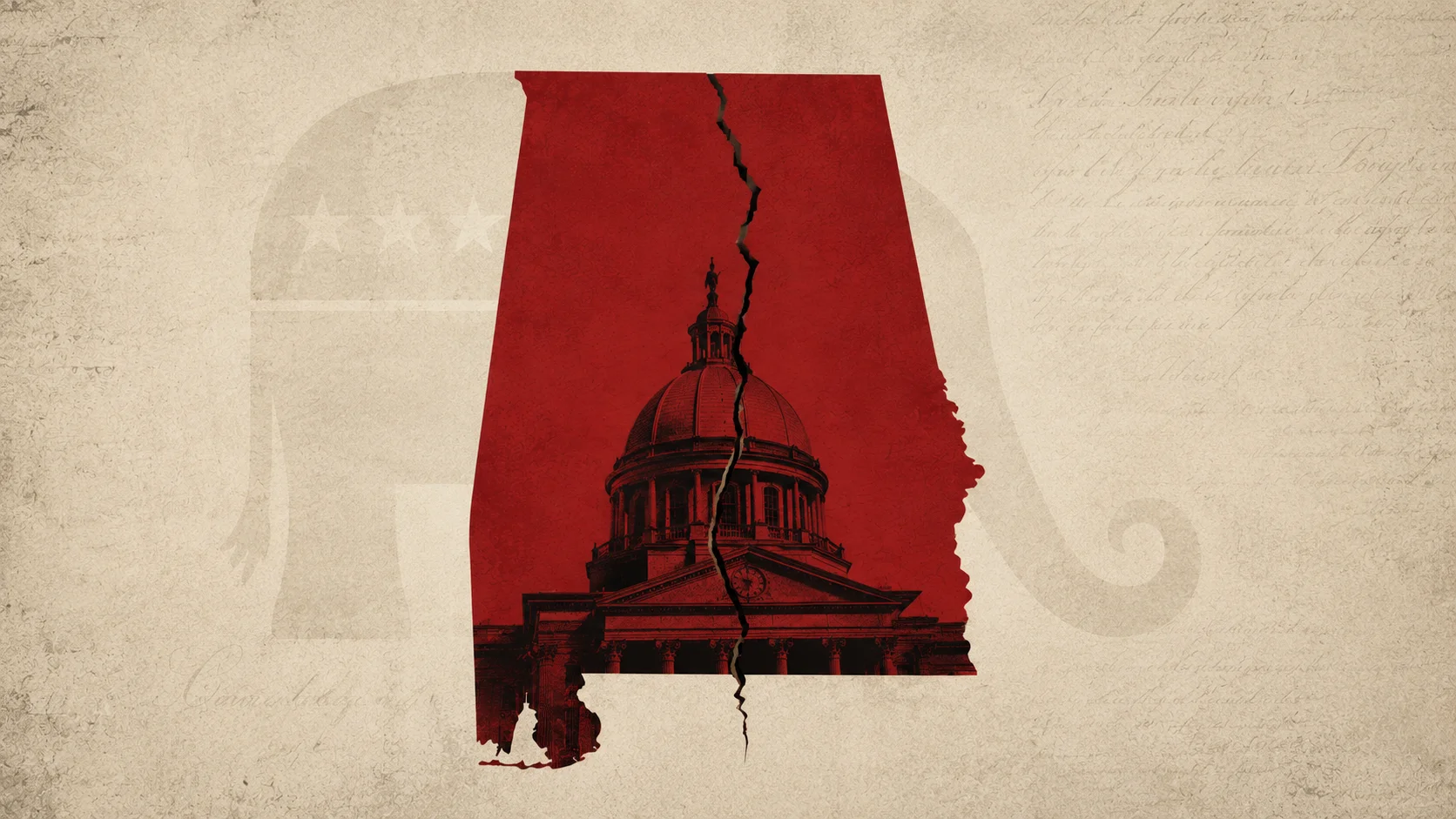


Federalist 10 was not written for a museum. It was written as a warning against faction—and for moments like this.
Written during the fight over whether the new Constitution should be ratified, Federalist 10 asked whether self-government could survive the passions, interests and ambitions of the people themselves. James Madison defined faction as citizens “united and actuated by some common impulse of passion, or of interest” in a way that works against the rights of others or against “the permanent and aggregate interests of the community.”
That is the danger. Not disagreement. Not debate. Not honest difference among citizens. Faction is organized passion or private interest turned against the common good.
And in Alabama, that warning is no longer abstract.
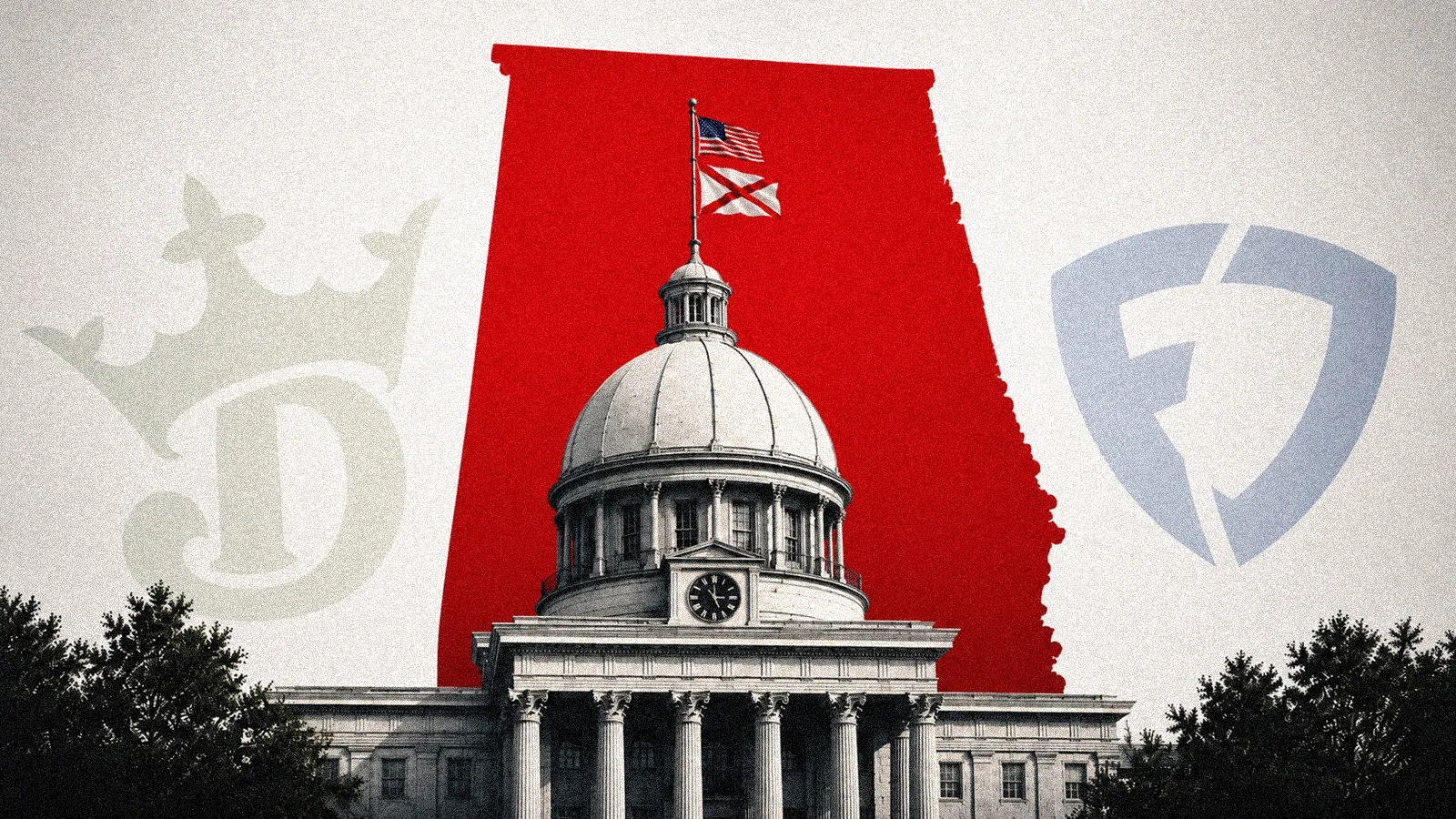
The primaries are over. In much of the state, the candidates are set. Only a handful of Democrats have a realistic chance of changing the outcome in November. That means many of the choices that will shape Alabama’s next government have already been made—not by the broad judgment of all Alabamians, and not even by the full Republican electorate, but by a small and intense portion of the dominant party.
That is the hard truth of one-party politics. A faction does not have to persuade Alabama. It only has to win the room where the real decision is made.
Alabama is a conservative state. That is not the problem. A conservative state has every right to elect conservative leaders. The problem begins when one party becomes so dominant that the real contest for power moves inside that party, and its internal factions become everyone’s government.
The old division between Republican and Democrat no longer explains where power is truly contested in this state. The meaningful fight is inside the Alabama Republican Party itself—between hard-liners, business Republicans, institutional conservatives, grievance politicians and those who still know that governing requires more than slogans.
This is not merely an internal Republican dispute. In a one-party state, the dominant party’s fights become Alabama’s laws. Its grievances become Alabama’s campaigns. Its donor networks become Alabama’s policy. Its slogans become Alabama’s public life. And its failures become Alabama’s burden.
That is why this moment matters far beyond the Republican Party.
All these factions speak the language of conservatism. But they are not all trying to conserve the same thing.
Conservatism, at its best, should mean prudence, restraint, ordered liberty, respect for institutions, local responsibility and moral seriousness. It should care whether government is honest, whether courts are independent, whether schools work, whether prisons are constitutional, whether hospitals survive and whether public money is spent for public purposes.
Faction has no such discipline. Faction wants a win. Faction wants an enemy. Faction wants power without the burden of governing well.
That is the difference between faction and stewardship.
Stewardship asks what Alabama will need 10 years from now. Faction asks what will move the angriest voters now. Stewardship thinks about children who must be educated, workers who must be trained, hospitals that must remain open, roads that must be built, prisons that must be made constitutional and communities that must be made safe.
Faction thinks about the next attack, the next enemy and the next applause line.
One tries to govern a state. The other tries to win a moment.
The tragedy is not that Alabama is conservative. The tragedy is that too many candidates have learned to confuse conservatism with fear of the future.
Some want to drag Alabama deeper into the politics of resentment, suspicion and permanent grievance and call it courage. Others understand that Alabama cannot educate children for yesterday’s economy, build infrastructure for yesterday’s population, operate hospitals on yesterday’s assumptions or attract tomorrow’s jobs with yesterday’s politics.
Alabama cannot build a future with a politics addicted to the past.
This is not a fight between conservatism and liberalism. In Alabama, liberalism is not the force shaping most state elections. The more urgent fight is between conservative seriousness and factional appetite. It is between those who understand that public power is a public trust and those who treat public power as a prize to be captured, divided and used.
That is the moral center of the matter.
Public power is a public trust. Every bill, every budget, every appointment, every tax break, every constitutional amendment and every campaign promise should be judged by whether it serves the public good. Faction reverses that order. It begins with private advantage, political advantage or ideological advantage, then searches for public language to justify it.
A faction does not announce itself as a faction. It arrives wrapped in principle, patriotism, faith, business, reform or freedom. Strip away the costume, and the object is often the same: advantage.
That advantage can come from the hard right. It can come from the business wing. It can come from lobby shops, ideological groups, legislative blocs or ambitious candidates who have figured out that outrage is cheaper than leadership. A tax break dressed up as growth can be just as factional as a culture-war crusade. A regulatory carveout sold as competitiveness can be just as self-serving as a campaign built around fear.
The test is not which faction sounds more respectable. The test is whether public power is being used for the public good.
Madison understood that factions could not be wished away. He wrote that “the latent causes of faction” are “sown in the nature of man.” Faction is not some strange disease that appears only in corrupt systems. It is a permanent temptation in free government.
The question is not whether factions will exist. They will. The question is whether responsible leaders will restrain them before they capture the government itself.
That burden now falls on legislative leadership.
The primaries may have chosen the candidates, but leadership will choose the government.
It will fall to those who decide what reaches the floor, what dies in committee, what is amended, what is indulged and what is stopped. Leadership is not proved by counting votes after the faction has already decided the question. Leadership is proved by knowing which questions should never be surrendered to faction in the first place.
The faction may win a seat. It should not be allowed to own the agenda.
That is the test facing Alabama’s next Legislature. Will the loudest members, the angriest voices and the most performative politics define the work of government? Or will leadership insist that Alabama still has serious work to do?
Because Alabama is larger than any faction.
It is larger than one primary electorate, one donor network, one ideological bloc or one political moment. It is larger than the consultants who profit from anger and the politicians who mistake applause for leadership.
Alabama is a state of families trying to make a living, children who deserve a real education, workers who need opportunity, communities that need hospitals and safe roads, businesses that need stability, courts that must remain independent and citizens who deserve honest government.
That is what stewardship remembers. That is what faction forgets.
The fight inside Alabama’s Republican Party is now the fight over Alabama’s future. That may be uncomfortable for Republicans to admit and inconvenient for Democrats to accept, but it is the political reality of a one-party state.
That means the consequences belong to all of us.
If stewardship wins, Alabama can be conservative and serious. It can be pro-growth and pro-accountability. It can defend tradition without fearing the future. It can support growth without becoming captive to private advantage. It can value faith without weaponizing it. It can demand order without sacrificing justice. It can govern.
But if faction wins, Alabama will keep mistaking anger for courage, grievance for principle and slogans for policy. It will keep rewarding candidates who know how to survive a primary but not how to lead a state.
The factions have had their primaries. They have had their slogans. They have had their grievances and their applause lines.
Now comes the harder question.
Will Alabama be governed?
The danger is not that Alabamians disagree. The danger is that factions will decide the future among themselves, call it conservatism, call it the public good and leave the people to live with the consequences.
Alabama should know better by now.
And if we do not, it is not because history failed to warn us.
It is because leadership failed to listen.