

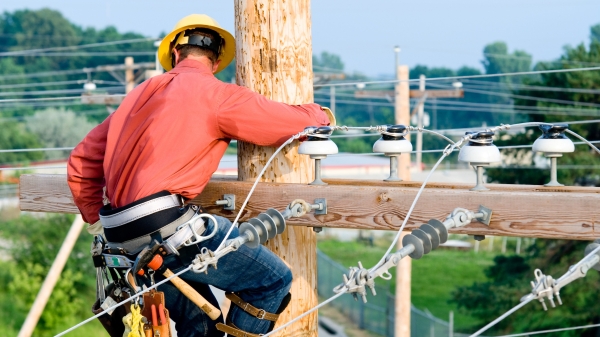









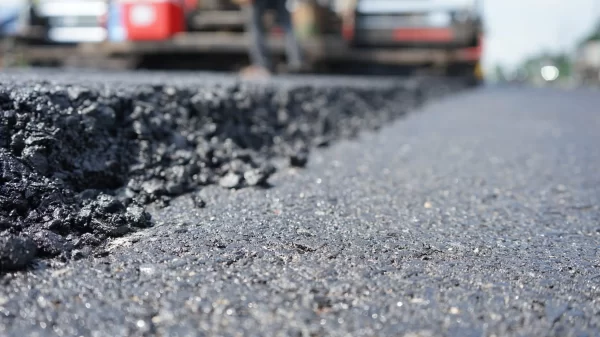







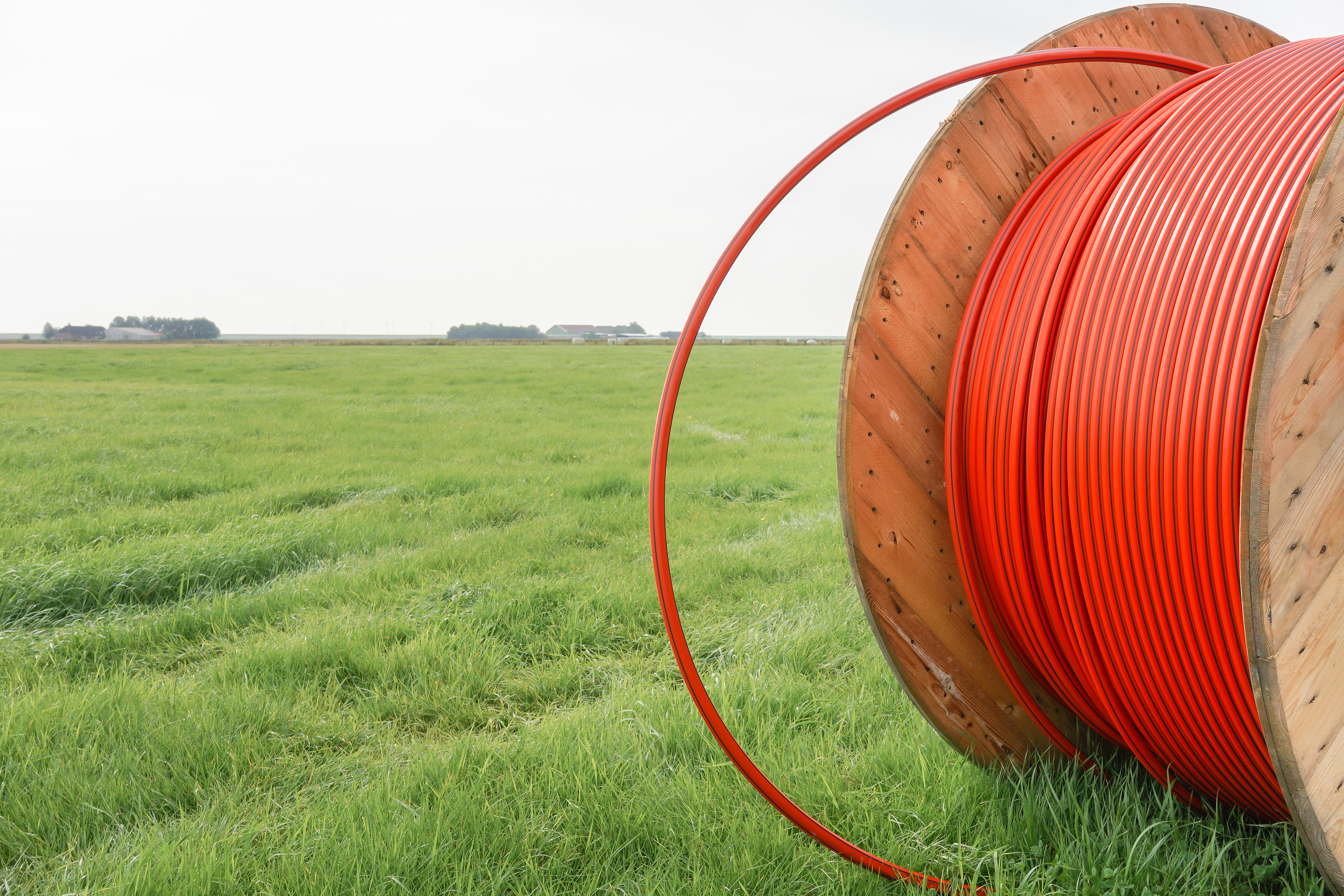
In most of Alabama, the work of building broadband looks like a trench. A crew opens the ground along a county road, lays a line, closes it, moves to the next house. Follow that line far enough and it ends at a porch, and a family that has waited years for it.
In the hardest places the line never comes. The crew stops where the cost of the next mile climbs past what the rules will pay. The house past that point gets something else: a receiver on the roof and a low-earth-orbit satellite account. Served on paper. Served differently in fact.
Broadband is easy to take for granted once it arrives. It is how a child turns in homework, how a farmer files for a loan, how a family applies for a job no longer posted on paper. Where it reaches, no one notices. Its absence is the thing you feel: school and work and a paycheck that run slower, or wait on a long drive, or never come at all.
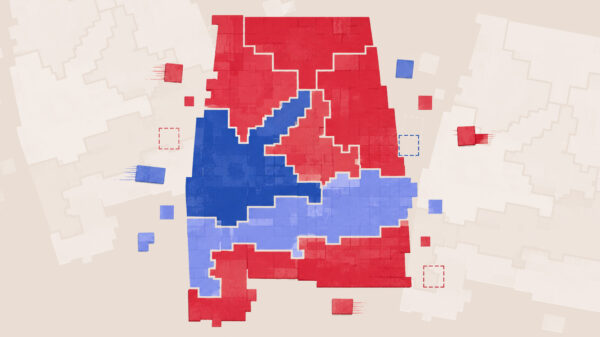
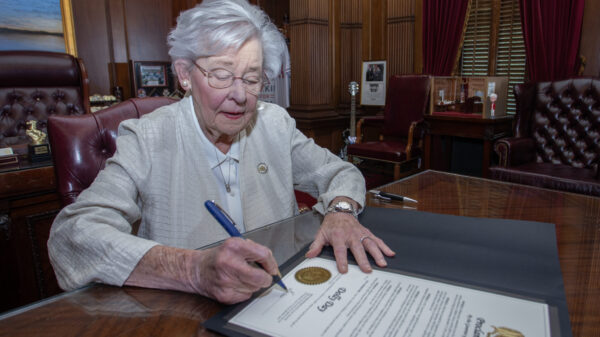
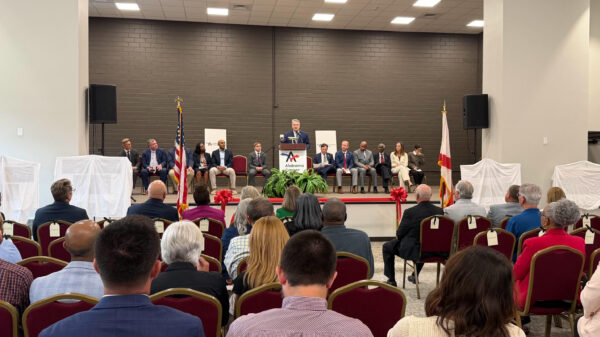
This spring Alabama drew that map. After a long federal review, the state’s plan won approval. The Governor announced the awards: nearly $460 million, 63 projects, about 92,000 homes and businesses that have never had a real connection. The state came in more than $800 million under budget, and the savings became the headline.
That is good stewardship, and the bargain was struck well. But a broadband grant is not a savings account. The dollars were meant to put a line in the ground, and thrift is only thrift if the line gets built. The harder question is whether the state has mistaken the bargain for the result.
A broadband line, like an ambulance, does not stop at the county line. The rural health work I have written about rides on this wire. It carries care across a distance the patient cannot travel: a specialist seen by video, an ultrasound read three counties away, a stroke caught on a screen while the ambulance is still on the road. All of it needs a connection that holds. And the counties with no hospital and the longest drive to one are the same counties this map hands a satellite link instead of a line. Wilcox is one of them.
Between the award and the trench sits a four-year build that has barely begun. Fiber ordered today can take most of a year to arrive. Then the poles, the permits, the easements, the crews, across dozens of companies and every hard county in the state. A build that needs everything to go right fails not because anyone is incompetent, but because the odds of clearing every step run against it.
We have seen this before. A few years ago Washington ran a reverse auction to wire rural America, the Rural Digital Opportunity Fund. Within four years the awards for close to 2 million of its homes had been given up or taken back, more than a third of the total. A commitment is not a line built.
This program is better guarded than that one: signed agreements, milestone payments, inspections, the power to claw money back from a provider that does not deliver. But the reporting runs one direction, from the company to the agency, and a build this dispersed is more than one private channel can catch. A missed milestone that shows up in public gets answered, and often fixed before the work stalls. One that sits in a file waits. The plan is public, down to the county and the provider. The build that follows it, no one outside the agency can see, and the family still on the wrong side of the line has nothing to watch and no one to ask.
About three-quarters of the locations get a line. The hardest quarter get a satellite link, a receiver aimed at low-earth orbit. This is not the satellite of a decade ago. On a good day it streams and holds a video call, and for a house that would otherwise wait 10 years for fiber, that is no small thing. But the connection is lopsided. The download is strong; the upload is where it falls short, and the upload is the half that carries a patient’s vitals or a student’s recorded work. The wired lines this same grant paid for are built to 100 down and 20 up. Real satellite upload often runs below that 20. The hardest quarter counts as served at an upload that would have failed the rest of the build.
The state did not choose satellite out of indifference. It went that way where no wired bid came in under the cost the rules allow, and there is a real case for it: a working link now beats a fiber promise that takes a decade and sometimes never comes. For some homes it is the right answer, and running fiber to them at any price would be its own waste. The trouble is not the link. It is that one federal cost rule, read the same in every county, decides which homes those are. Which house is the right call and which is not is local knowledge, held closest to the ground, and no one there is asked, or must revisit the answer when the ground or the technology changes.
Washington can rewrite the cost rules whenever it likes. The ground underneath them does not move. The last mile stays expensive where the houses sit farthest apart, and someone still must find the money to go back and bury it. The state is holding $800 million that could, and cannot yet touch it.
And a second tier, once set, tends to hold on its own. The clinic, the employer, the school portal all need a strong upload, so they route around the counties without it. That lowers the worth of the link those counties got, and gives the next family less reason to sign on. Left alone, the stopgap becomes the settlement, and no one ever chose it.
The map is not random. The counties routed to satellite are the emptiest in the state, and, for reasons that run back a century of fiscal history, the poorest. But it is the emptiness that sets the price, not the poverty. Fiber is priced by the mile, so a county whose houses sit far apart cannot carry the cost of wiring them at any income, rich or poor. This is the part the market was never going to solve on its own, and the reason there is public money in it at all: the most scattered homes are the ones a private builder reaches last, or never.
Take Wilcox County, one of the poorest in the nation. All 1,500 or so eligible addresses were routed to a link, not a line. This is not a county the fiber skipped. The state’s new middle-mile backbone, built by Alabama’s electric cooperatives, crossed the Alabama River at Camden, the county seat, last fall. The trunk reaches the county. The last mile to the houses does not.
One fiber project proved too costly even for Washington to wave through, and the state had to defend it in writing. The reason its builder gave was distance: miles of line to reach a handful of houses.
The rest is incentive. An announcement is a good day. A build is four years of them, most unseen. The credit for a line that reaches Wilcox arrives long after the ribbon is cut, and the people who cut it have moved on. Coming in under budget makes headlines that week. Finishing the last mile to the hardest houses costs money now and shows nothing for a decade, if ever. So the savings and the link assigned to Wilcox are not two facts. They are one rule read twice: build where it is cheap, send the signal where it is not, bank the savings, and leave the gap to a clock no one is scored on.
So back to the money. The $800 million cannot be committed until Washington writes the rules for its use, which have not come. The rules will arrive in time. What the money is for is a choice no one is yet making.
The money could sit. It could close the gap between a line at the curb and a house connected to it, since a network no one signs onto is money spent for nothing. That last gap is not apathy. It is cost, and paperwork, and not knowing the line is there, and the state can lower all three.
Or it could pull the hardest counties off the satellite link and bury a line, where that line is worth what it costs. Making that choice takes the capacity for a second round of building, which the state is already short of.
Money is only half of it. The other half is who is the right size to build. A county cannot do it alone. Under Alabama law it cannot lay the line itself, and its tax base could not carry the cost if it tried. The grant answers to Washington, not Montgomery. And a county is the wrong size for a network to begin with.
The trunk at Camden shows the right size. The co-op that carried it across the river is region-wide and member-owned, sitting between the county that is too small and the state that is too far. It could build because the Legislature opened the co-ops’ electric easements to fiber in 2019, and it built that backbone with public money to make the last mile cheaper.
And yet the rule looked only at the cost of the final drop. The backbone was built to make that drop cheaper, and it did, in county after county. For Wilcox it was not enough: too many miles from the trunk to too few houses. The system mostly worked. It broke where the houses ran out.
So the question is not whether Alabama won the grant. It is whether anyone is answerable for the distance between award and address. The answer will show in three places. Whether the awards become finished lines on a public record, or a dashboard that lets the work look watched while no one answers for it. Whether the satellite counties find a way off the link, or settle into a permanent second tier. And what becomes of the $800 million, once Washington frees it.
All three land on one desk. Washington sets the terms, but what Alabama asks of the money, and whether anyone here answers for the build, belongs to the Governor’s office, and that office is on the ballot this year. The most basic decision costs nothing and commits the state to no new spending: whether Alabama lets the public watch the build it is already paying for. Whoever wins inherits a map already drawn and a build already on the clock. The last decision on this program was to announce it. The next, and the credit that comes with it, is whether to finish the line and let the public watch it happen.
Alabama drew a line to most of its houses this spring, and it was right to. But a federal promise arrives the same for everyone, then splits apart in the delivery, into a map of who had the capacity to turn permission into a line and who did not. And a broadband map is not a road map. It is the layer the next economy gets built on. The remote job, the clinic that runs on video, the young family weighing where it can live and still earn: all of it gathers where the connection is strong and goes missing where it is not. The map drawn this spring will shape the ones that come after it: for water, for roads, for who gets to stay.
Alabama bought the wire. It has not yet decided who answers for where the wire stops.