
























America has spent decades fighting about immigration.
We have built campaigns around it, raised money from it, frightened voters with it, promised crackdowns, promised reform and blamed everyone from presidents to immigrants themselves. What we have not done is solve it, and now the country may be running out of time.
America’s immigration debate is trapped in a question the economy may already have answered. We keep asking how many people we can keep out when the more urgent question may soon be how many people we need to let in.
America needs a secure border. It also needs workers. Those are not opposing ideas.
For nearly 40 years, Washington has treated immigration more as a political issue than a policy problem.
Ronald Reagan signed a bipartisan immigration overhaul in 1986. George W. Bush later pushed comprehensive reform built around border security, workplace enforcement and legal avenues for workers. Barack Obama backed a bipartisan immigration bill that passed the Senate 68-32 in 2013, but died in the House. Joe Biden supported another bipartisan border agreement in 2024, but it collapsed during a presidential campaign.
Different presidents. Different Congresses. Different proposals.
The same failure.
The problem has not been that nobody could imagine a better immigration system. The harder truth is that a broken system has often been politically useful.
An unsolved border can frighten voters, raise money, drive turnout and provide someone to blame. A solution requires compromise, and compromise rarely produces the same political energy as anger.
So Washington kept the issue. America kept the problem.
For years, perhaps we could afford that failure. The demographic and economic realities facing the country suggest we may not be able to afford it much longer.
America is getting older. Millions of baby boomers are leaving the workforce, birth rates have fallen and immigration has slowed sharply.
The scale of that slowdown is striking. Net international migration was roughly 2.7 million in 2024, fell to 1.3 million in 2025, and the Census Bureau projected it could fall to about 321,000 in 2026 if current trends continued. The decline reflects both fewer people coming to the United States and more people leaving.
At the same time, foreign-born workers already account for 19.1 percent of the American civilian labor force—nearly one worker in five.
The Congressional Budget Office projects that beginning in 2030, more people in the United States will die each year than will be born. Under its current projections, net immigration then accounts for all population growth.
That is not politics. That is arithmetic. And arithmetic eventually wins.
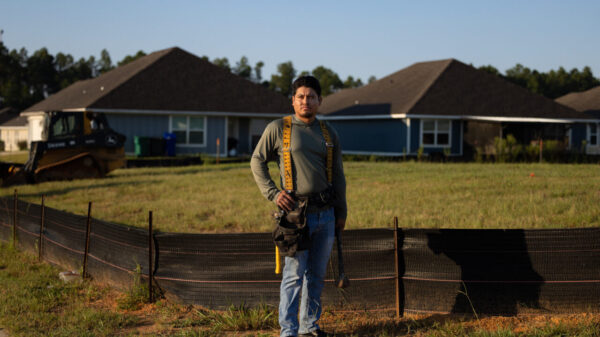
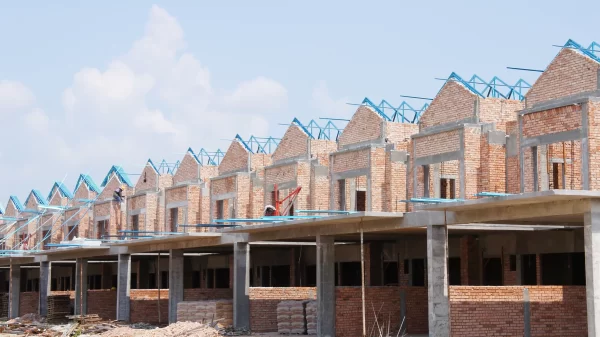
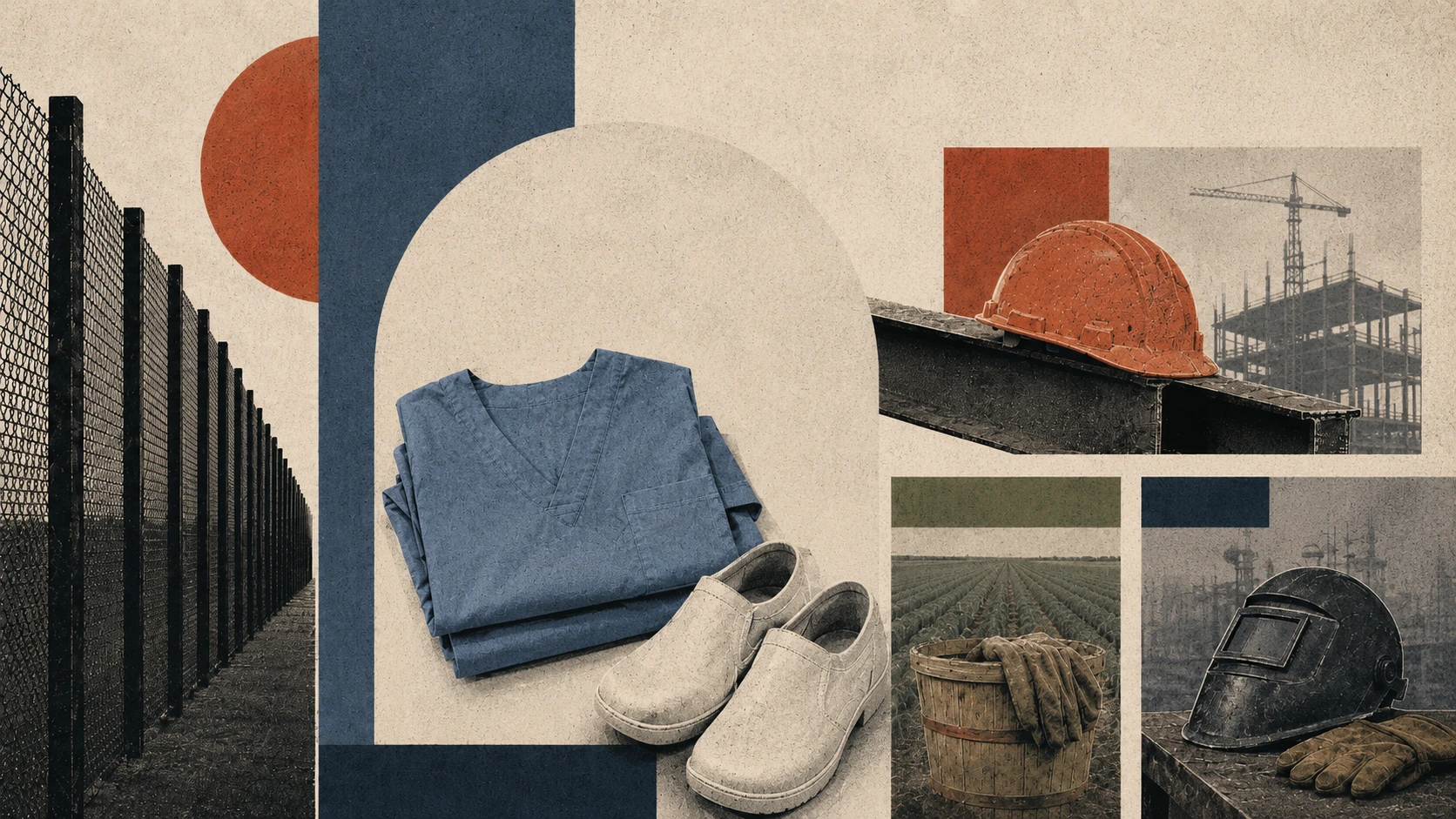
Those demographic projections might seem distant if employers were not already confronting the problem. Farmers are looking for workers. Manufacturers need skilled employees. Hospitals need nurses and technicians. Construction companies need tradespeople, and an aging country will require more caregivers, not fewer.
Yet just as the economy is demanding workers, our politics increasingly measures immigration success by how many people are stopped, removed or persuaded to leave.
That may be good politics. It may not be good economics.
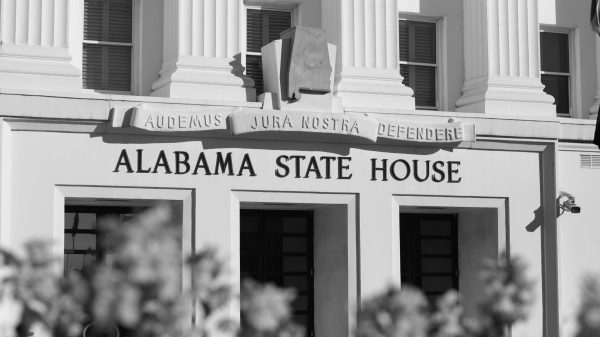
Alabama has every reason to pay attention.
We spend enormous energy recruiting automotive plants, aerospace companies, advanced manufacturing, hospitals and other major investments. Governors cut ribbons, local officials celebrate, tax incentives are announced and hundreds or thousands of new jobs are promised.
But beneath every economic-development announcement is a question we almost never ask:
Who is going to do the work?
Alabama employers had 124,403 online job advertisements in June, with only 0.51 candidates for every advertised opening. Registered nurses were among the occupations employers were most actively trying to fill.
We can recruit a billion-dollar factory, but we cannot staff it with a ribbon cutting. We can build a hospital, but we cannot legislate nurses into existence. We can announce 2,000 new jobs, but eventually 2,000 people have to show up and do the work.
That is why immigration cannot remain simply a fight about the border.
Of course America should control its border. We should know who is entering the country. People who pose threats should be stopped. People who commit serious crimes should be removed. Employers should obey the law.
The rule of law matters.
But border security alone does not answer the larger question: What immigration system does America actually need?
A serious policy would secure the border while creating lawful pathways for workers the economy needs. It would distinguish between someone who threatens America and someone who wants to work in America. It would recognize that agriculture, manufacturing, health care and technology have different labor needs.
Most of all, it would require politicians to do something Washington has too often avoided: govern rather than campaign, posture or preserve immigration as another issue for the next election.
That requires honesty on both sides.
The right has to acknowledge that border security alone is not an immigration policy. The left has to acknowledge that compassion alone is not one either.
A country needs laws. It also needs people. America has always needed both.
We should remember that this country has been very confident before about deciding whom it did not need. Chinese laborers were excluded beginning in 1882, and the national-origins quota system that followed in the 1920s deliberately restricted immigration according to nationality.
History has not been kind to that certainty.
Governments can count people. They are much worse at calculating human possibility.
But we do not need to relitigate the past to see the problem before us today. America is aging. Its workforce is changing. Employers need people, and after decades of refusing to build an immigration system around those realities, Washington is discovering that slogans cannot run a factory, care for a patient or harvest a field.
For decades, immigration could remain broken because many of its consequences seemed concentrated at the border. That becomes much harder when those consequences reach the factory floor, the hospital, the construction site, the farm and the Alabama community celebrating its next economic-development announcement.
For decades, Washington treated immigration as a political fight to be won.
The country now needs it treated as a responsibility to be met.
America needs a secure border. It also needs workers. Those are not opposing ideas. They are the two halves of the same national interest.