






















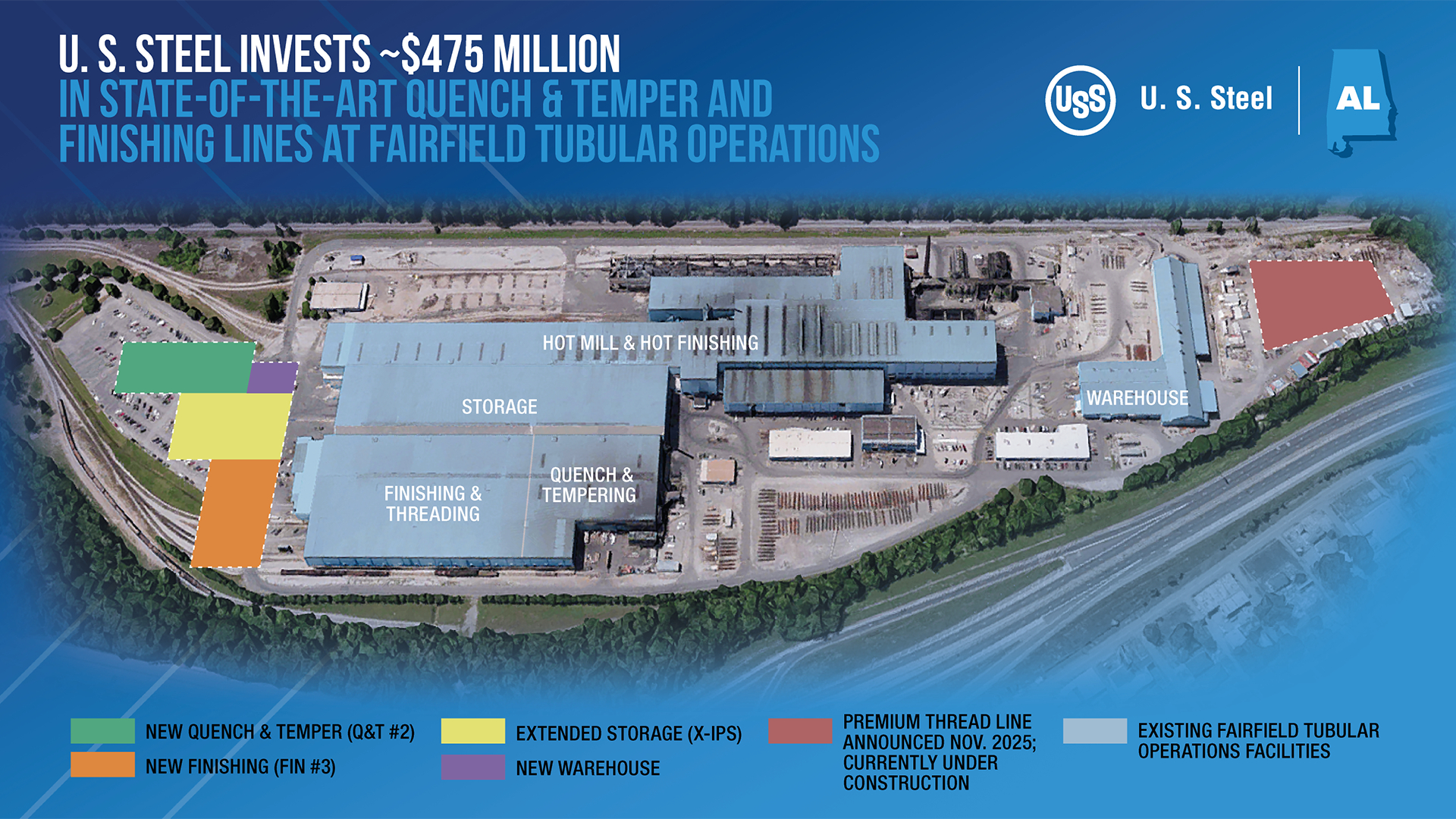
U.S. Steel announced this week that it will invest $475 million in expansions at its Fairfield plant.
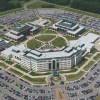
The investment in the Fairfield Tubular Operations facility, announced Wednesday, will go toward installing a quench-and-temper line, creating new employee training programs and adding a warehouse and storage facility.
Representatives of U.S. Steel and Manufacture Alabama said the new line will allow the facility, which produces steel piping and tubing, to make more durable, heat-treated steel products.
“Manufacturing is a cornerstone of Alabama’s economy, creating jobs, driving investment and strengthening communities across our state. U.S. Steel’s investment in a new quench-and-temper line at Fairfield Tubular reflects a strong commitment to Alabama’s workforce and manufacturing future,” Manufacture Alabama President and CEO Jon Barganier said.
“By expanding production of higher-value steel products, this project will strengthen American manufacturing, support economic growth and reinforce Alabama’s position as a leader in advanced industrial innovation,” Barganier said.
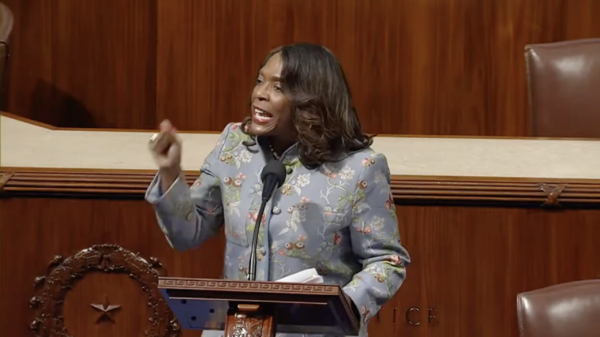
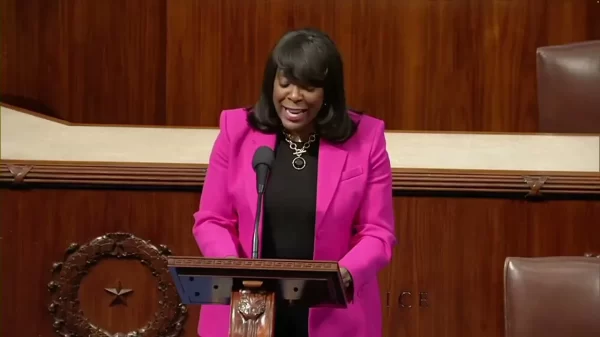
U.S. Representative Terri Sewell, D-Alabama, and U.S. Representative Barry Moore, R-Alabama, both praised the investment, describing the planned expansion as “big news for Alabama.”
“This investment will create good-paying jobs, strengthen our local economy, and help ensure that steel made in Alabama continues to power American industry for generations to come,” Sewell wrote Wednesday.
“Alabama continues to lead the way in building America’s future,” Moore wrote Thursday.
David B. Burritt, president and CEO of U.S. Steel, said the investment is a “significant milestone” in the company’s efforts to promote U.S. manufacturing.
“By adding internal capacity for heat-treated product, we strengthen our supply chain, improve product quality, and continue to foster a safe, advanced workplace for our employees,” Burritt said. “This aligns perfectly with our vision to forge the next century of American steel.”
According to U.S. Steel, the new line is expected to be fully operational by the second quarter of fiscal year 2029.