
























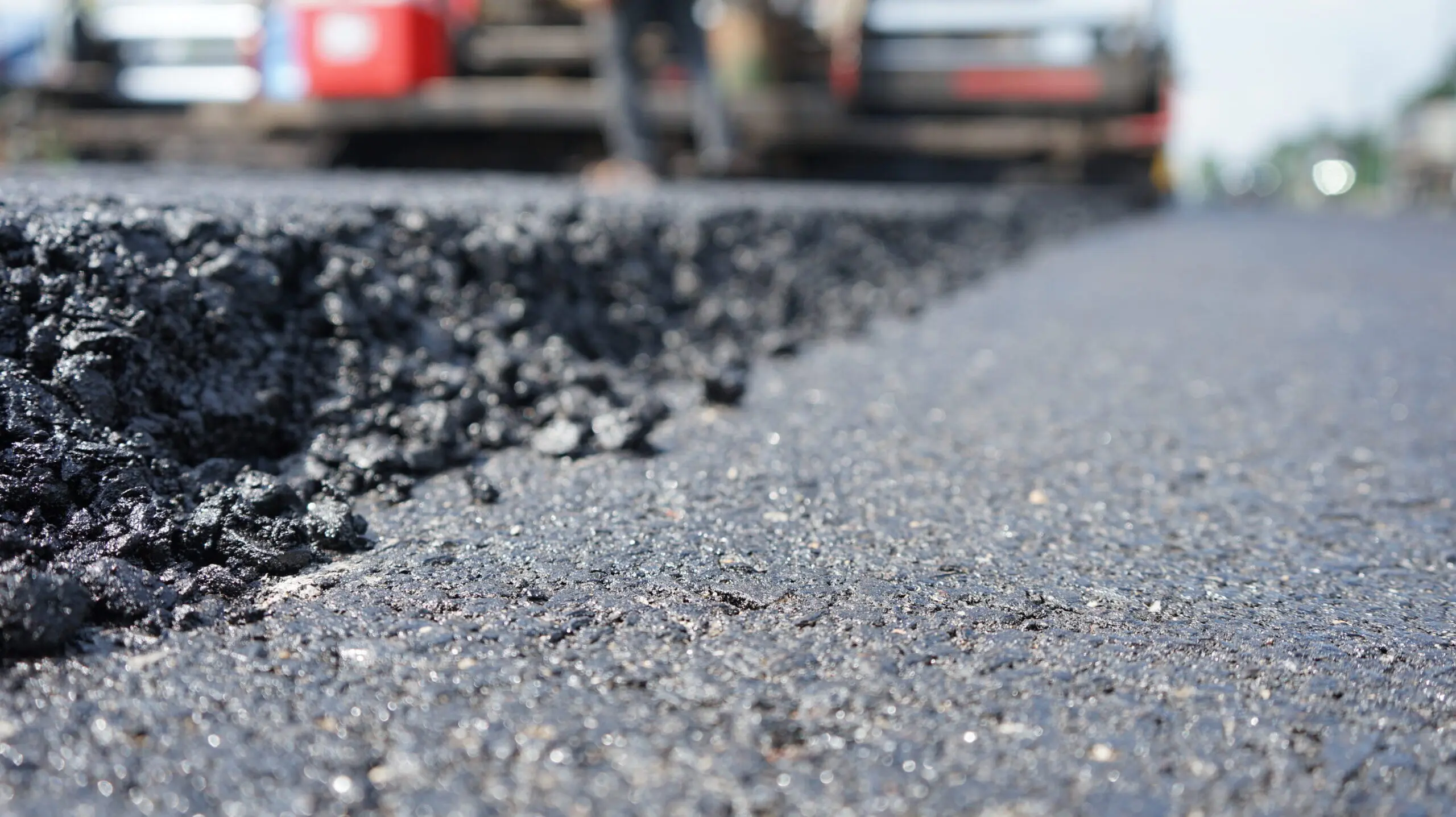
In Geneva County, in Alabama’s southeast corner, there are more miles of dirt road than paved. After a hard rain the school buses bog down and must be towed out, and the children miss school, along with anyone bound for a job, a buyer or a doctor.
Across much of the countryside the nearest ambulance is half an hour off, when there is one to send, so a family drives its own emergency, sometimes an hour to a hospital. Out here the road is not a convenience. It is the line to the doctor, the school, the market and everything else that lets a person stay.
None of this shows up when Alabama’s roads are ranked among the best in the country. That ranking measures pavement, and only where there is pavement. The dirt road does not count. Neither does the county bridge posted below the weight of a loaded truck, a mile off the smooth state highway.
Two decades of grant programs rebuilt hundreds of county roads and bridges, the 2019 gas tax raised real money, and fewer bridges sit in poor shape than a decade ago.
Money is tight, and getting tighter. By one recent measure the state is already falling behind on the roads it has, and there is little slack in the budget. There is no withheld pile of rural money. This is not a story about how much the state spends. It is about how it decides where the money goes, and who answers for the result.
Consider how a county gets its share. The money it can count on year to year, from the state gas tax and the online-sales tax, comes to it two ways: an equal cut for every county, and a cut by population.
Neither reflects what drives the cost of keeping a road up: the miles a county maintains, and the terrain those miles cross. A county with twenty thousand people and six hundred miles of road is funded for its people, not its pavement. And the miles do not shrink when the people leave.
This is the arithmetic under everything else. The cost of a road follows the network. The money follows the head count. In the empty counties, where the miles per person run highest, those two numbers pull hardest apart, and the gap between them is made up in gravel, and detours, and bridges left posted.
When road spending rises, it rises through the same formulas, and more money divided the old way produces the same map.
A rural doctor could tell the same story about a hospital. A hospital is paid for the patients who come through the door, not for the cost of standing ready when they do not. A county ER can be the difference between life and death and still not pencil out, because the thing it provides, being there, in range, on the worst day, is not what the payment is keyed to.
Beneath both sits the same logic. We fund them by the people who use them, and assign responsibility for them to places that cannot cover the difference, and the difference is where rural life happens.
None of this is a failure of the people doing the work. County road departments are not idle; the state helps pay for their engineers, and they are good at their jobs. The trouble is built in. Each piece of the system is somebody’s job. The whole is nobody’s.
The county answers for its roads and cannot fund them. The state answers for its highways, which are in good repair. Between them lies what a family depends on, the roads it drives to work, to school, to the doctor, a network it can cross and a county it can live in.
Ask who answers for it, and there is no office to send the question to. The county is too small. The state has never been asked.
So the losses gather with no one deciding them. These roads do more than move the people who live on them. They carry the rural economy the rest of the state runs on.
Alabama raises more broiler chickens than any state but Georgia, an industry that reaches more than a third of its counties, and the feed trucks and the haulers run these same roads. The cotton, the peanuts, the cattle go out the same way. And the timber that feeds the mills crosses the same county bridges the state posts and the Forestry Commission now pays to replace. The road with six houses on it is often the road the timber leaves on.
Roads do not empty a county by themselves, and people leave for reasons no road can fix. But a place fighting all of that can sometimes come through, and a drive that grows longer and rougher every year is often the last thing that makes staying impossible. A state loses its interior not in one stroke but a road, a bridge, a clinic at a time, each loss too small to be anyone’s decision.
There is a real choice buried in here. A state can concentrate its dollars where the people and the growth already are, and take the most measured return for each one. Or it can treat these roads as a productive asset the whole state draws on, the way its farms and its mills and its freight reach the market, and refuse to let that capacity waste.
One is efficiency. The other is stewardship. Both are honest, and reasonable people weigh them differently. A choice that large should be made in the open, by someone who must answer for it, not settled by default through rules written for other purposes.
I wrote a month ago about broadband, about a federal grant won and the hardest counties left on a signal from orbit, with no one answerable for the gap. This is the same shape, older and deeper, and it runs under the roads and the hospitals alike: a state that hands its rural obligations to the places least able to bear them, funds them by head count, and keeps no one responsible for whether the whole survives.
The state can tell you how many miles it paved last year. It has not decided who answers when the road, the ambulance, and the town at the end of it is left on its own.