
























Democratic socialism is now discussed in newsrooms, party headquarters, campaign offices, congressional press conferences and homes across America.
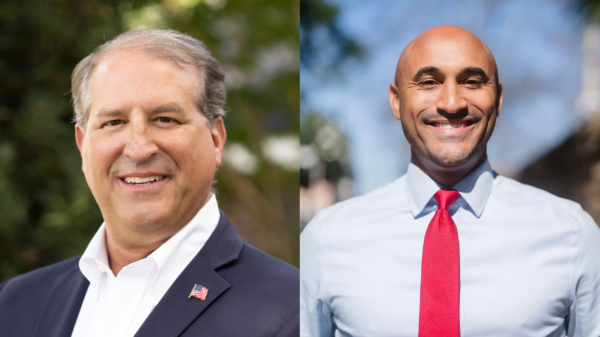
Candidates aligned with the movement are winning Democratic primaries and gaining influence within the party. Democratic socialists remain a relatively small faction within a large and ideologically diverse Democratic Party, but their recent victories have given them influence beyond their numbers.
Republicans portray those gains as evidence that communists are taking control. Democrats are divided over how seriously to embrace—or resist—the movement.
Yet many Americans remain unsure what democratic socialism means.
Some hear socialism and think of Social Security, Medicare or help for struggling families. Others think of the Soviet Union, confiscated property and one-party rule. Advocates emphasize health care, housing, wages and workers’ rights. Opponents call the movement communism under another name.
Neither description tells the whole truth.
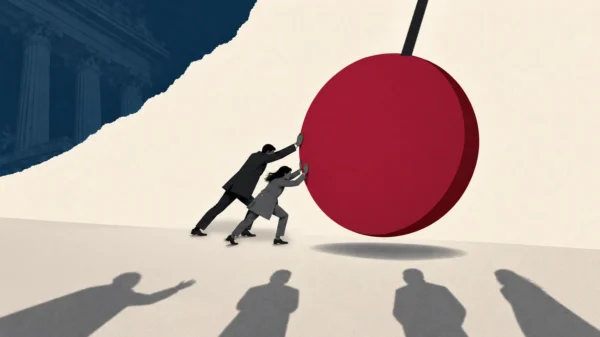
Democratic socialism is not simply a larger social safety net. Its organized movement ultimately challenges whether private ownership and markets should remain the foundation of economic life.
Democratic socialists are not automatically communists. They do not become enemies of the country by questioning capitalism, and they do not surrender their rights as Americans by seeking change through elections.
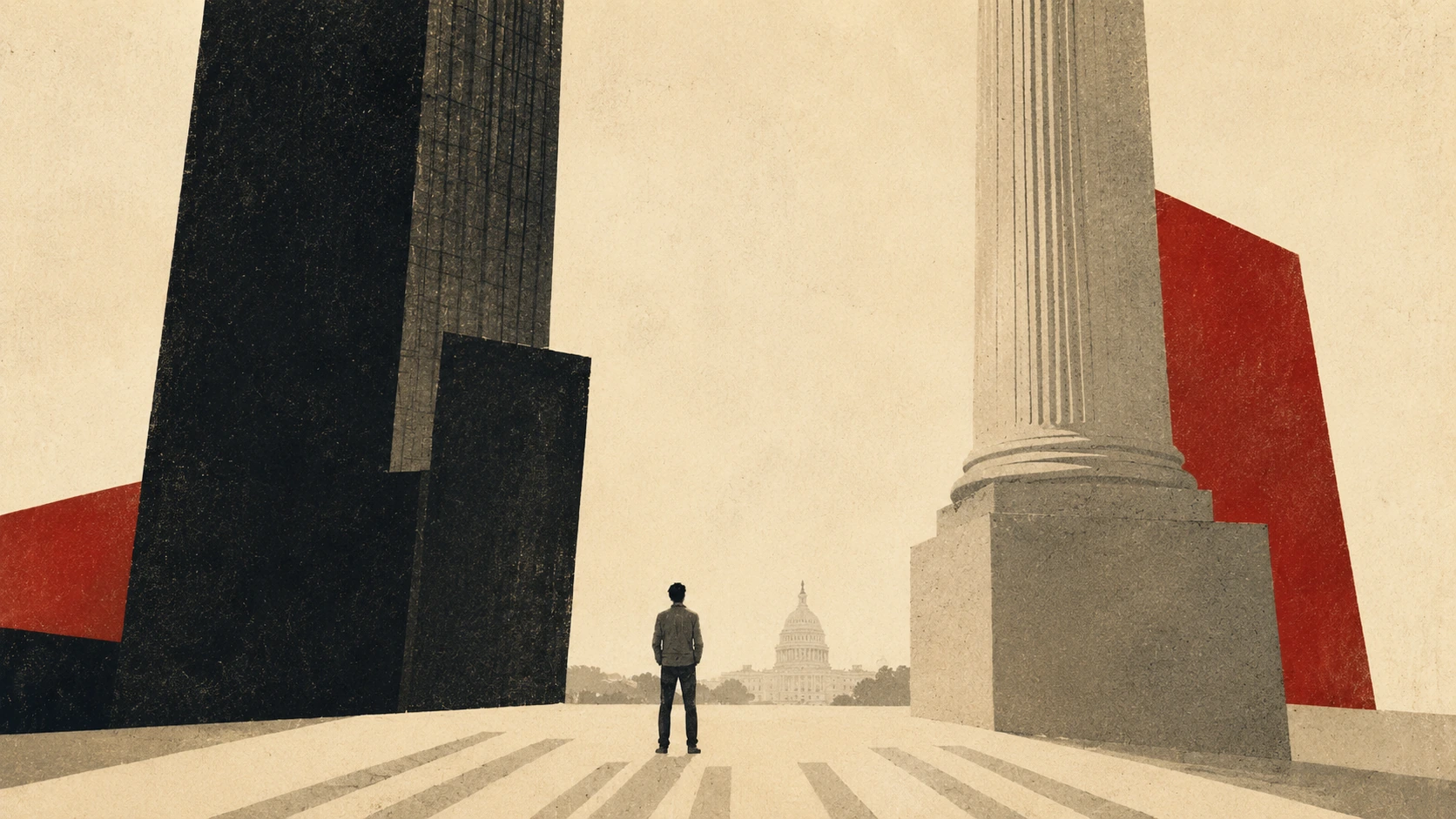
The disagreement reaches a basic question: What kind of freedom did the country promise, and what kind of system best protects it?
The founding ideal was that people possess rights government does not create and that legitimate authority comes from the consent of the governed. Those principles were denied to millions, but the best of the American tradition has been to extend the promise rather than discard it.
That promise was not that everyone would receive the same result. It was that birth, government or a permanent ruling class should not decide in advance what a person was permitted to become.
The nation developed an economy based on private ownership, investment, competition and exchange. It produced extraordinary innovation and prosperity, but also exploitation, monopoly, corruption and vast concentrations of wealth.
Capitalism can reward work and invention. It can also reward greed and inherited advantage. Economic power can become political power, and those who possess both can bend a free system toward their own interests.
The American experience has never been a simple choice between government and markets. Government checks monopolies and protects workers. Markets create wealth, encourage innovation and allow choices beyond direct political control.
The challenge is to limit private power without creating an even greater concentration of government power.
Public schools, Social Security and Medicare involve collective responsibility and public funding but operate within an economy based principally on private ownership and markets.
Social democracy generally preserves that arrangement while expanding public services. Democratic socialism goes further. Its central question is whether private ownership and markets should remain the foundation of economic life.
The Democratic Socialists of America is clear about its answer. It says capitalism must be replaced by a system in which ordinary people exercise democratic control over workplaces, neighborhoods and society. Its current program calls for building a new society and what it describes as a democratic socialist republic.
That is not the New Deal with a modern name. It is a fundamental challenge to the American economic order.
Precision matters. The DSA, its endorsed candidates, sympathetic voters and the broader Democratic Party are not the same. Some embrace its anti-capitalist vision. Others are drawn mainly to health care, housing, wages or unions.
One side reduces democratic socialism to its most popular proposals and avoids its larger objective. The other assigns that entire objective to every Democrat who supports one of those proposals.
Democratic socialism is not synonymous with communism. Democratic socialists say they seek power through elections and reject authoritarian rule; communist governments historically eliminated meaningful political competition.
Democratic socialists point to a real danger: Private wealth can grow powerful enough to distort political democracy. But recognizing that danger does not require accepting their diagnosis of capitalism or their proposed transfer of economic power.
Economic power does not disappear when taken from private owners. It moves into government agencies, political institutions or other bodies empowered by the state.
Private power can exploit, exclude and purchase influence. Government power can compel, punish and make dependence unavoidable. Freedom depends on keeping both within lawful bounds.
A corporation can mistreat workers, suppress competition or use wealth to influence government. Public authority should curb those abuses. But when government becomes regulator, owner, employer and final decision-maker, the individual may have nowhere else to turn.
That is why capitalism remains worth defending. Private ownership preserves a sphere of independence beyond direct political control, allowing people to own property, build businesses and pursue ideas without depending entirely on those who govern.
But that independence cannot exist only in theory.
The appeal of democratic socialism is not difficult to understand. Many Americans work, pay taxes, carry insurance and try to save, yet feel no more secure from one year to the next. Homeownership recedes, child care consumes a second income and serious illness can threaten years of planning.
When people believe they are doing what the system asks of them but the promised stability never arrives, they become willing to hear arguments that the system itself is the problem.
Democratic socialists offer a coherent explanation: Workers create the nation’s wealth. Owners take too much of it. Corporations convert economic power into political power. Government protects the arrangement. Working people must organize to take that power back.
The story is powerful because it begins with real failures, even when its larger explanation and proposed remedy are wrong. Wealth purchases access. Markets concentrate. Workers become expendable. Government too often listens to those who finance campaigns and employ lobbyists.
Defenders of capitalism cannot answer those realities with slogans. They must show that freedom is more than the right to enter a contest whose outcome appears decided in advance. They must show that work can still produce security, enterprise can overcome inherited advantage and citizenship carries more weight than wealth.
But the democratic socialist answer is incomplete. Not every employer is an exploiter. Not every profit is theft. Private enterprise has created medicines, technologies, jobs and improvements in human life that no political authority could have fully planned.
The failures of capitalism are reasons to discipline it, not abandon it. Markets require rules. Competition requires enforcement. Workers require protection. Wealth must not place anyone beyond accountability.
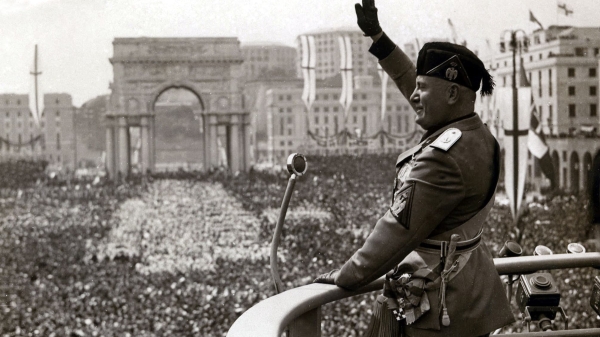
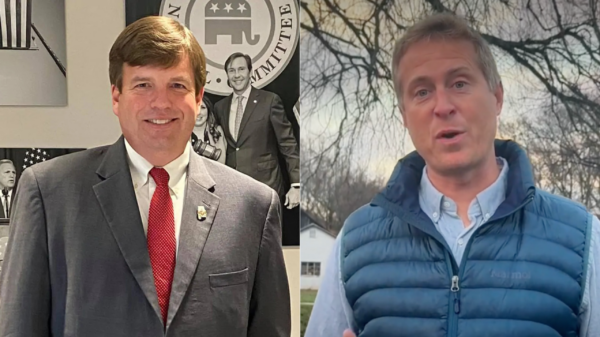
House Speaker Mike Johnson has described the movement’s rise as the advance of “radical communists” within the Democratic Party. His office placed that warning beneath the headline, “The Barbarians Are Inside the Gate.”
The preposition matters.
Barbarians at the gate are outsiders threatening to invade. Barbarians inside the gate are people already among us who have been recast as enemies.
The democratic socialists Johnson describes are American citizens competing in American elections. Their ideas may be radical and their assumptions wrong, but they remain Americans.
A republic begins to weaken when citizens stop answering one another’s arguments and begin questioning one another’s right to belong. Calling people barbarians avoids the harder obligation of explaining why the movement is gaining support and what failures are giving it strength.
Radical movements grow when ordinary institutions stop providing a believable future. That does not make the democratic socialist answer correct. It makes the question impossible to dismiss.
Capitalism cannot survive on the argument that people are technically free to succeed. Freedom must offer a credible chance to build a life—to work, advance, own something and face the future without believing every advantage has already been claimed.
But security alone is not freedom. A system that promises protection by placing more of economic life under political control may merely exchange one concentration of power for another.
Freedom without meaningful opportunity becomes an abstraction. Security purchased through dependence on political power is not freedom.
The American task is harder than choosing between those failures. It is to preserve private ownership, enterprise and independence while refusing to allow wealth to become a governing authority of its own. It is to use government to protect the individual without making the individual dependent on government for permission to build a life.
There are no barbarians inside the gate.
The movement is gaining support among Americans who no longer believe the existing system offers them a believable future. The movement’s larger diagnosis is incomplete, and its remedy risks placing too much economic and political power in the same hands. Those arguments must be made honestly.
But a republic begins to fail when its leaders would rather name an enemy than confront the failures that gave the movement strength.
The answer to democratic socialism is not to defend everything done in capitalism’s name. It is to preserve what capitalism makes possible while confronting what unchecked wealth and power have corrupted.
Freedom must mean more than the absence of government control. It must include a genuine chance to work, build, advance and belong.
Otherwise, the American promise becomes something citizens are repeatedly told to defend but are no longer permitted to experience.
The work before us is not to save America from its own people.
It is to make the system we believe in worthy of their belief.