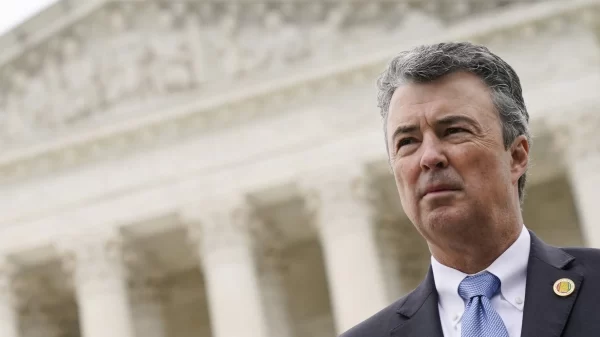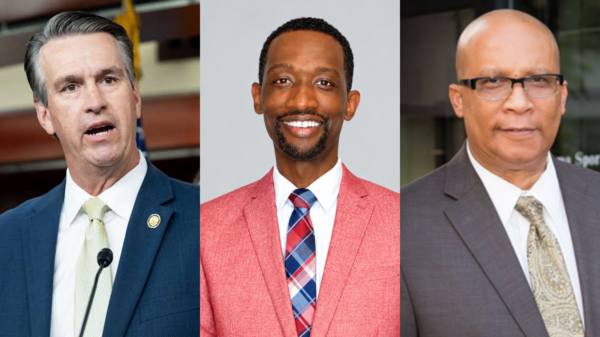















Alabama Attorney General Steve Marshall joined the attorneys general of Arkansas and Louisiana in asking the U.S. Supreme Court to block abortion shield laws in three states.
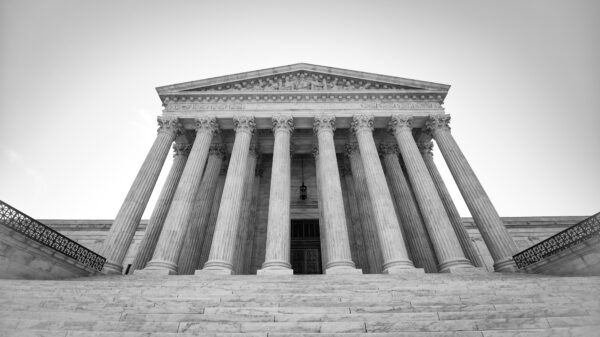
Marshall joined the attorneys general of Arkansas and Louisiana in filing a lawsuit Wednesday, arguing that California, Massachusetts and New York are interfering with Alabama’s ability to enforce its abortion ban. The case asks the Supreme Court to invalidate laws that protect abortion providers from investigations, prosecutions and other legal action originating in states where abortion is prohibited.
Alabama law prohibits the use, prescription or administration of medication intended to terminate a known pregnancy.
Marshall has already moved against companies accused of sending abortion-inducing drugs to Alabama, issuing cease-and-desist letters in June to six companies and warning that the state could pursue legal action if they continued. His office said companies advertising, facilitating or selling abortion-inducing drugs to Alabama residents could face investigations and civil penalties under the state’s consumer protection laws.
The Supreme Court lawsuit targets laws in other states that can shield providers from Alabama investigations or prosecutions.
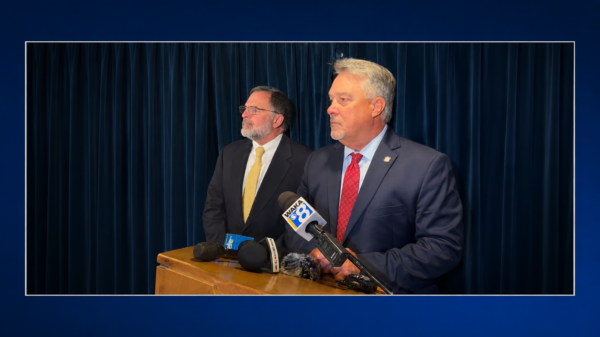
“We need and deserve the opportunity to be able to enforce our laws against those who have chosen, despite their knowledge of the illegality, to continue to foster abortion in our state,” Marshall said.
Federal regulations allow abortion pills to be prescribed through telehealth and dispensed by mail, meaning a provider in a state where abortion remains legal can potentially prescribe medication to a patient in a state with an abortion ban.
California, Massachusetts and New York are among the states that enacted shield laws in response to abortion restrictions elsewhere. The laws protect providers from out-of-state investigations and prosecutions related to abortion care provided under the laws of their home states.
The three attorneys general also filed a separate federal lawsuit against 30 abortion-pill providers and their officers. That case seeks action directly against providers, while the Supreme Court case challenges the shield laws that the states say are preventing them from enforcing their abortion laws across state lines.
A ruling in the case could affect how states enforce abortion laws when providers and patients are located in different states. New York Attorney General Letitia James has opposed the lawsuit, arguing that Alabama, Arkansas and Louisiana are attempting to extend their abortion restrictions beyond their own borders.