





















The State of Alabama executed Anthony Todd Boyd on Thursday night for the 1993 murder of Gregory Huguley, carrying out the state’s seventh nitrogen gas execution despite Boyd’s longstanding claims of innocence and legal challenges arguing that the method is unconstitutional.
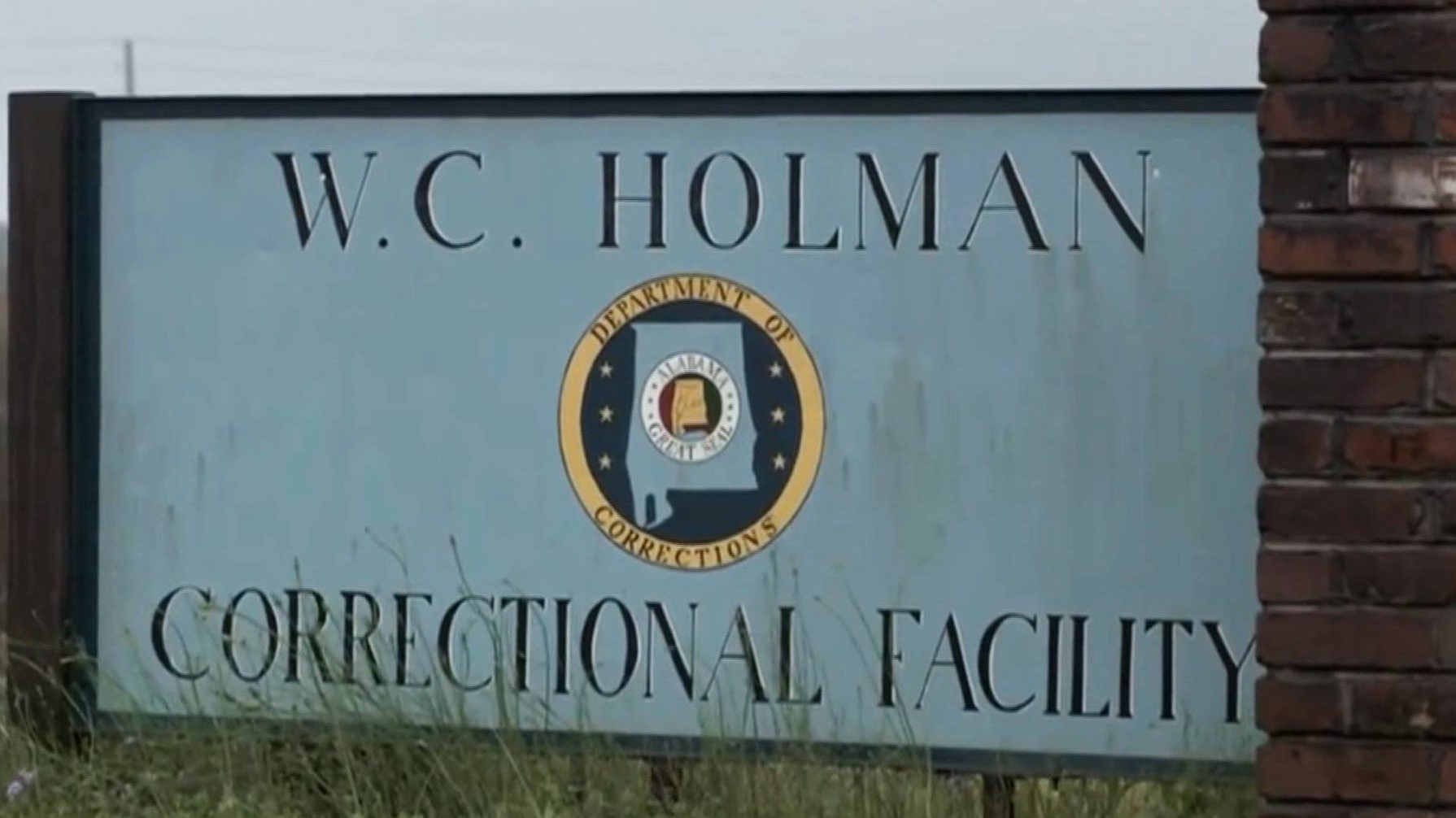
Boyd was pronounced dead at 6:33 p.m. at William C. Holman Correctional Facility in Atmore, where Alabama’s death row and only execution chamber are housed. The execution marked the fifth carried out in the state this year and the second in which an inmate publicly maintained innocence until the end.
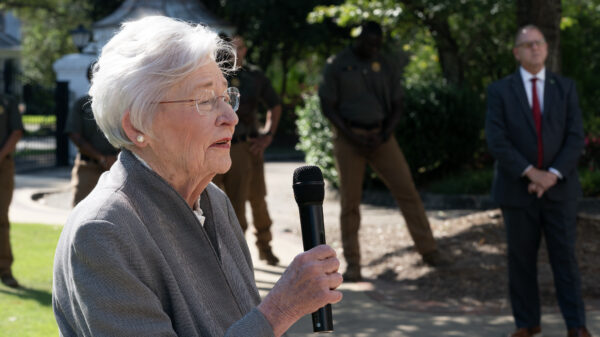
Governor Kay Ivey confirmed the execution just after 6:30 p.m., stating she had denied Boyd’s request for clemency earlier in the day.
“On the evening of July 31, 1993, Anthony Boyd and three other men kidnapped Gregory Huguley at gunpoint in Anniston over a $200 drug debt,” said Ivey. “After 30 years on death row, Anthony Boyd’s death sentence has been carried out, and his victim’s family has finally received justice.”
Boyd was convicted of capital murder in 1995 for his role in the burning death of 34-year-old Huguley, who prosecutors said was bound to a park bench, doused with gasoline and set on fire in Munford. Co-defendant Dwinaune Quintay Cox testified against Boyd in exchange for a life sentence but with parole eligibility. The two other men, Robert Shawn Ingram and Moneek Marcell Ackles, were sentenced to death and life without parole, respectively.
Boyd continued to assert his innocence over the years, claiming that false testimony and unreliable evidence led to his conviction. In an audio message recorded earlier this week, he pleaded with Gov. Ivey to meet with him before the execution.
“Before an innocent man is executed, come sit down with me and have a conversation with the guy that you deemed one of the worst of the worst,” said Boyd. “Show the people of this state that you are not just carrying out sentences and hiding your hands.”
The U.S. Supreme Court denied Boyd’s request for a stay of execution Thursday afternoon, with Justices Sonia Sotomayor, Elena Kagan and Ketanji Brown Jackson dissenting.
Sotomayor wrote that Boyd “will remain conscious for two to four minutes while the State of Alabama kills him in this way,” calling the nitrogen method “torturous” and “experimental.” She argued that Alabama’s nitrogen hypoxia protocol violates the Eighth Amendment’s ban on cruel and unusual punishment.
“Boyd asks for the barest form of mercy: to die by firing squad, which would kill him in seconds, rather than by a torturous suffocation lasting up to four minutes. The Constitution would grant him that grace. My colleagues do not,” the dissent reads.
Alabama has maintained that any shaking or gasping exhibited by inmates during nitrogen gas executions is largely involuntary actions caused by oxygen deprivation. Nationally, the method has now been used in eight executions: seven times in Alabama and once in Louisiana.
“It is my solemn duty as governor to carry out Alabama law. Tonight, justice has been served for the horrific, burning-alive murder of Gregory Huguley,” said Ivey.