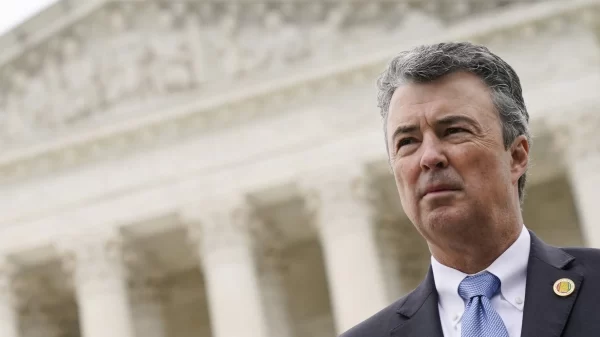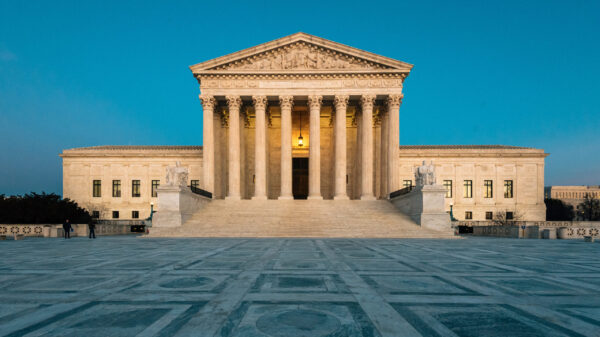















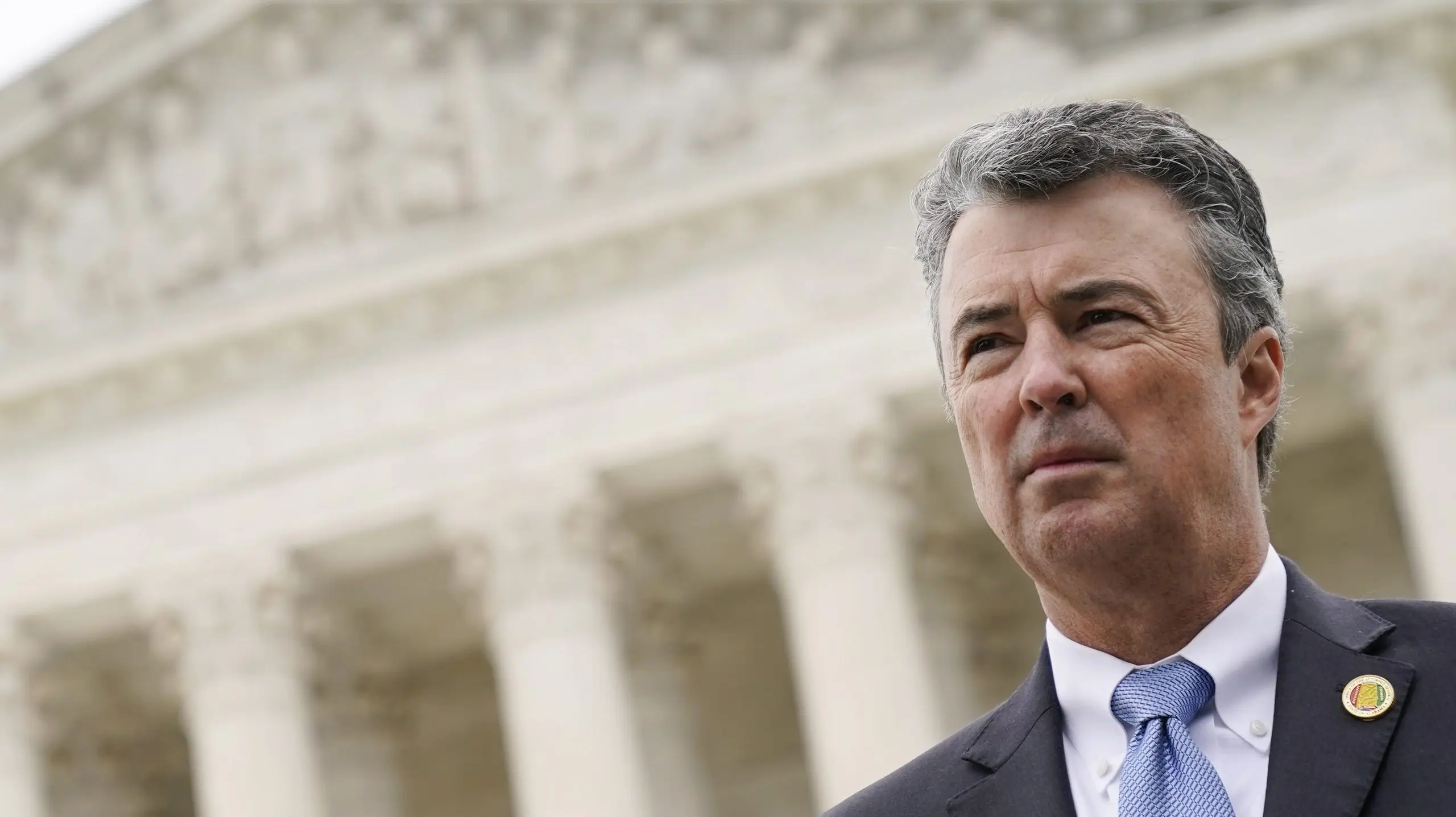
Attorney General Steve Marshall on Tuesday appealed to the U.S. Supreme Court to overturn an injunction issued by a federal court just hours earlier ordering the state to use a court-ordered Congressional map.
“I am disappointed, but not at all surprised, that the three-judge panel has again struck down Alabama’s blandly unobjectionable congressional map that has been in place for decades,” Marshall said in a statement. “I find nothing in the U.S. Supreme Court’s vacatur order of May 11 that would provide a basis for this outcome; thus, we will immediately appeal this decision to the Supreme Court.”
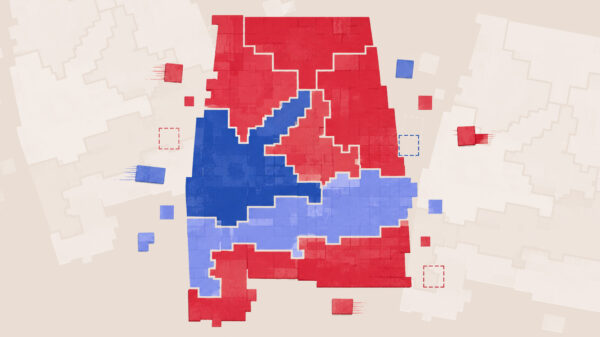
The three-judge federal panel released a scathing order Tuesday ordering a new injunction on Alabama’s 2023 Congressional map, which it had previously found to be drawn with the intent to discriminate against Black voters.
The judges wrote that nothing in the recent decision of the U.S. Supreme Court in Louisiana v. Callais changes its previous conclusion that lawmakers intentionally discriminated against Black voters in drawing the 2023 map.
“We reject in the strongest possible terms the State’s attempt to finish its intentional decision to dilute minority votes with a veneer of legislative regularity,” the judges wrote in their decision.
The ruling comes just a day before Alabama is set to begin reassigning voters based on 2023 Congressional district lines—voters are currently assigned to Congressional districts based on the court-ordered map.
If allowed to use the 2023 map, 14 counties will need to reassign voters in seven days or less, a task the judicial panel found to be “potentially impossible.”
“Requiring the use of the Special Master Plan will forestall an expensive, aggressive, and perhaps logistically impossible voter reassignment effort,” the panel wrote. “… The record is crystal clear: administering Alabama’s 2026 congressional elections under the Special Master Plan is simpler by an order of magnitude than administering the elections under the 2023 Plan.”
With a request for appeal now pending before the U.S. Supreme Court, any delay in a decision would further cut into the already minuscule timeline. All voter reassignment must be completed by June 2 if the state implements the 2023 plan.
The legal status leaves the status of Alabama’s elections in limbo for the time being. If the Supreme Court does not override the injunction, it is not yet clear what impact it will have on the special elections called by Gov. Kay Ivey for August 11.
Plaintiffs at Friday’s hearing in Birmingham told judges they were “agnostic” about how the state resolves any election issues, as long as the remedial court-ordered map is the basis for district lines. The judges and litigants appeared to agree during that hearing that the May 19 primary results of the four Congressional districts affected would be void, based on mixed messaging about whether those results would count and the legal mechanisms of a law passed in special session to trigger the elections.
That could mean candidates will have to qualify yet again for those same districts, unless the state finds otherwise that the elections can be held again based on the first round of qualifications.
If the Supreme Court does overrule the injunction, the state will proceed with its plan to reassign voters and hold special elections based on the 2023 map. However, the timing of the Supreme Court decision could create further chaos by shrinking the window for reassignment from seven days to six or fewer. If the Supreme Court does not act within the week, reassignment will become impossible based on other deadlines.
“This is a very fluid situation, and I will do my best to keep the people of Alabama apprised of our efforts,” Marshall said. “Know this—in my mind, it is not a matter of whether we win this case, only when.”