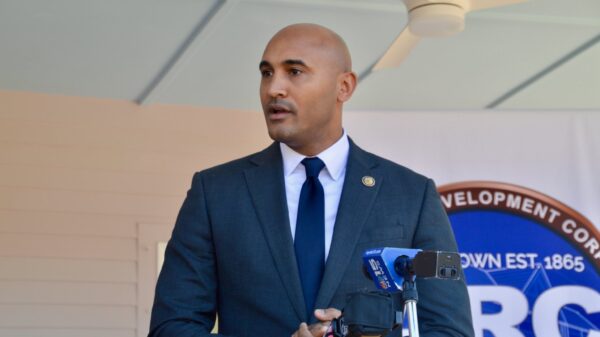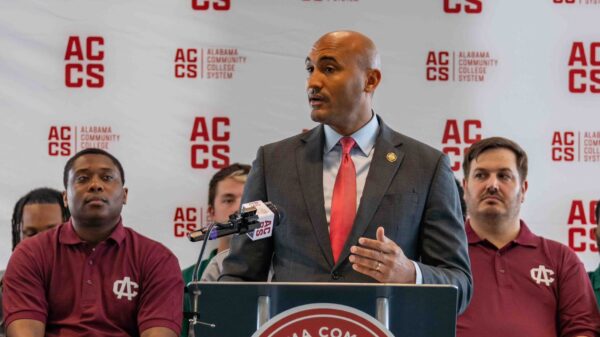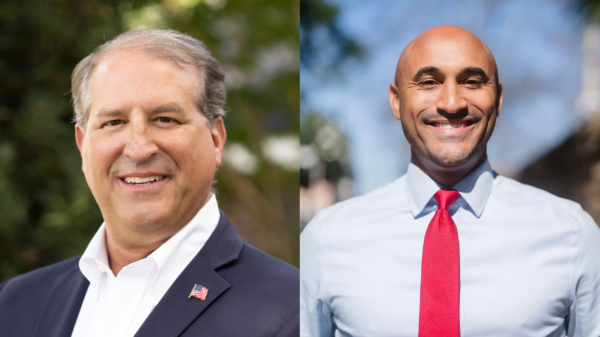


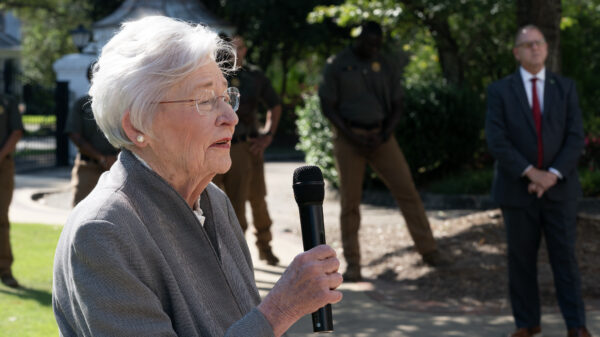


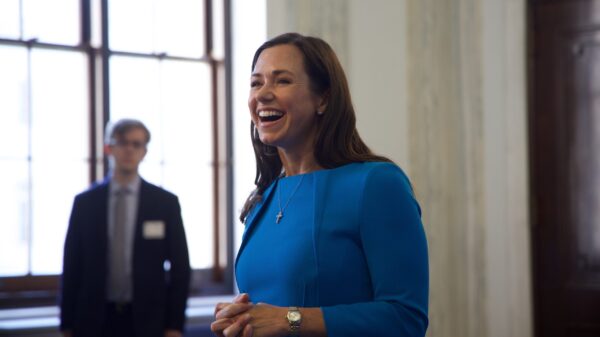
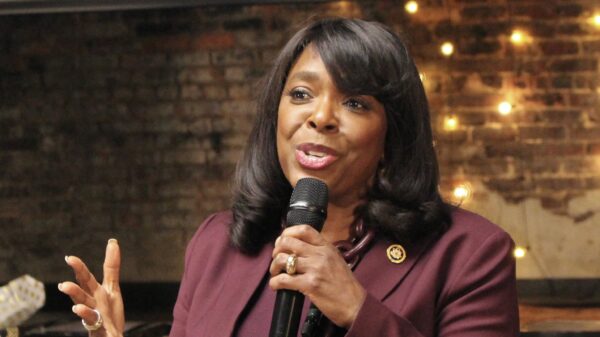



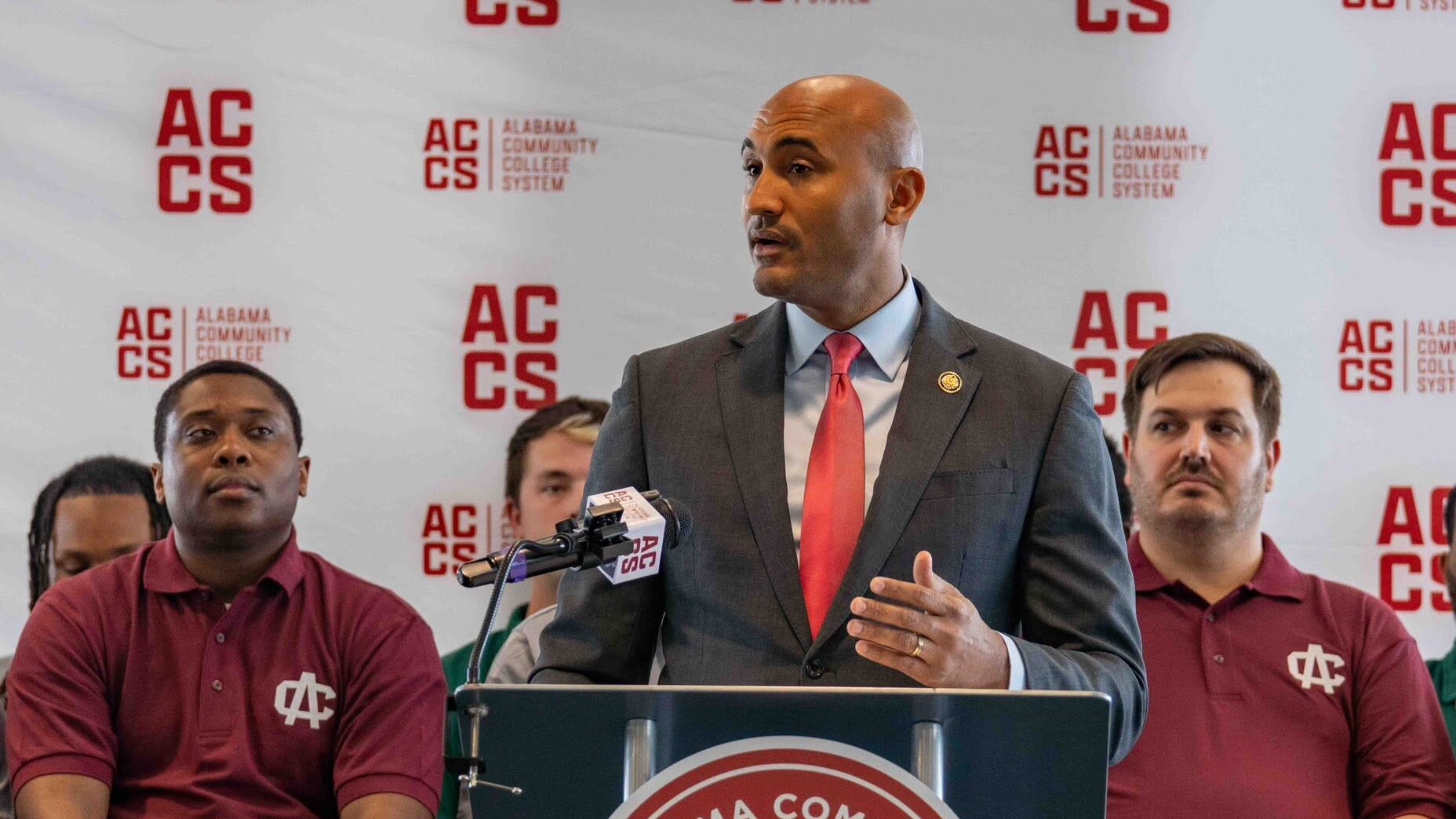
U.S. Representative Shomari Figures, D-Alabama, recently announced he secured $50 million in federal funding for water and wastewater infrastructure improvements across Alabama’s Second Congressional District through a provision in the 2026 Water Resources Development Act (WRDA).
“Safe and clean water is a right in this country, and it’s our responsibility to provide the resources that are essential to make this a reality for communities across America,” Figures said in an official statement. “From infrastructure issues plaguing Prichard, to wastewater issues in the Black Belt, to aging water treatment equipment in East Alabama, cities and towns in rural areas will be able to access funding to make critical updates to their infrastructure.”
“As the sole Alabama member on the House Transportation and Infrastructure Committee, I’m proud to secure these wins for our state to ensure our communities receive the federal attention and investment they deserve,” Figures added.
Congress considers WRDA every two years, allowing lawmakers to authorize projects to improve ports, inland waterways and other water infrastructure across the nation through the U.S. Army Corps of Engineers. This year’s legislation awaits consideration by the full U.S. House after unanimously passing the Transportation and Infrastructure Committee with Figures’ priorities included among its $6 billion in provisions.
Of the $50 million Figures secured, $40 million would support public drinking water and wastewater infrastructure projects in all 12 counties in the Second Congressional District. Counties could access the funds by collaborating with the Army Corps.
Figures said the funds could support wastewater investment in Butler County, improved stormwater management in Russell County, water treatment plant upgrades in Bullock County and other projects.
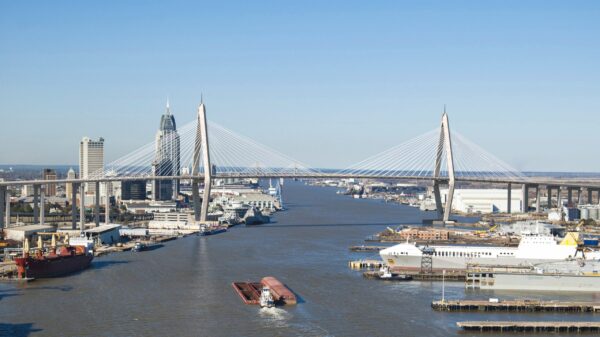
The remaining $10 million will go towards additional development for Brookley by the Bay—the 98-acre waterfront park along Mobile Bay’s western shore.
Figures also secured several provisions related to longstanding infrastructure issues in Mobile, including implementing a ban on dumping dredged material into Mobile Bay.
“I’m very proud that this bill will include my amendment to ban dumping thin-layer dredge material into Mobile Bay,” Figures said. “Dumping of this material into the Bay has been a threat to wildlife, fishing and small businesses. Through this bill, we can restore and protect one of our nation’s most vital estuaries for years to come.”
Additionally, Figures’ provisions would establish a multiyear program led by the secretary of the Army and the Alabama Department of Conservation and Natural Resources (ADCNR) to use suitable dredged material to restore and protect Mobile Bay.
WRDA would also initiate studies on water contamination affecting Mobile’s Africatown community, dredged material placement at Pinto Island and Blakeley Island, and ecosystem restoration opportunities at Big Creek Lake.